Marco Beverage Systems' MilkPal aims to streamline café milk service
MilkPal pushes milk service out of the steam wand bottleneck, giving cafés faster pours, steadier texture, and less waste when the queue spikes.
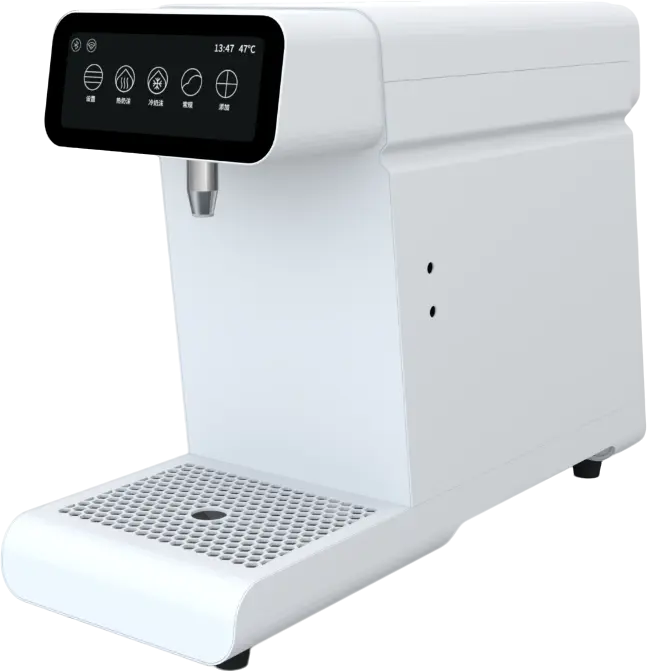
Marco Beverage Systems’ MilkPal aims to change the part of café service that most often slows everything down: milk. It is built as a behind-the-bar tool, not a spectacle piece, and that is exactly why it matters. The promise is simple but consequential: faster service, more consistent texture, and less repetitive work for baristas when the queue is backing up.
What MilkPal actually does
MilkPal is a steamless milk delivery system that dispenses cold foam, hot foam, cold milk, and hot milk at the touch of a button. Marco says it is compatible with both dairy and non-dairy milks, which matters in cafés where oat and other plant-based options are no longer a side request but part of the daily grind. The machine also uses automated cleaning and adjustable pre-set recipes, so it is meant to be part of the routine rather than a unit that needs constant babysitting.
That positioning makes the product easier to understand than a lot of coffee-industry automation. This is not about replacing the barista’s eye for drink build or latte art; it is about removing the most repetitive, least glamorous part of the workflow. In practical terms, MilkPal is trying to standardize the milk side of the drink so the person behind the bar can spend less time re-steaming, re-pouring, and correcting small mistakes that add up across a rush.
Why milk is the pressure point
Milk sets the rhythm of service in a way that espresso often does not. When steaming is inconsistent, the damage shows up everywhere: one drink arrives too hot, another too thin, another has to be remade because the pour ran long or the milk sat too long. Marco’s pitch is that if you remove those tiny points of friction, you reduce both waste and fatigue while keeping the line moving.
That is the core appeal here for cafés, restaurants, and bars. Marco says the system was introduced to address rising demand for milk-based beverages, labor shortages, waste, speed, and consistency. Those are the exact stress points operators feel on a morning rush, when every extra second at the steam wand slows ticket times and every ounce of wasted milk chips away at margins.
The useful part is not only that the drinks come out faster. It is that the drinks become easier to repeat. For a flat white, that means the milk texture can stay closer to what the café wants from cup to cup, instead of depending on who is steaming that round and how busy the bar feels at that moment.
The numbers behind the promise
Marco’s spec sheet gives MilkPal a capacity of 120 servings per hour at 200 ml, which is the kind of figure that immediately tells you where the machine belongs. That is not a home-use convenience device. It is sized for commercial pressure, and at 30 kg with a 3100W power draw, it is a serious piece of counter equipment rather than a small add-on.
The spec sheet also calls out precise temperature control and adjustable froth thickness, two details that matter more than marketing copy ever will. In milk service, the difference between “good enough” and “repeatable” usually comes down to temperature drift and foam consistency, not just how fast the cup gets filled. If those variables stay stable, baristas can move faster without giving up the drink profile customers expect.
Where the waste savings come from
MilkPal’s waste reduction claim is not abstract. Marco’s manual says that after six minutes of idling, the machine pulls remaining milk back into the vessel and flushes the lines. That kind of detail matters because milk waste in cafés is often death by a thousand cuts: over-pouring, reheating, discarded product, and remakes that feel small in the moment but become expensive over a week.
The system’s automated cleaning also points to the same operational logic. If the machine cleans itself and handles the line flush after idle periods, it trims a little more labor from the back end of the shift. That may not sound dramatic, but in a café where every minute around the steam wand is contested, it is the sort of design choice that changes how the whole bar feels.
How much flexibility does it give a team?
Marco says MilkPal can save up to 25 recipes, while launch coverage described support for as many as 35. Either way, the takeaway is clear: the machine is meant to be flexible enough for a menu built around multiple milk styles, not just one default recipe. That matters in specialty coffee, where shops often want different textures for cappuccinos, flat whites, iced drinks, and plant-based beverages.
The recipe memory also helps reduce training friction. New staff do not need to learn every micro-adjustment by feel on day one if the system is already set up to deliver the shop’s standard milk profiles. That does not eliminate training, but it narrows the part of the job that depends on muscle memory and frees the team to focus on sequencing orders, cup presentation, and customer flow.
Where it fits in the broader coffee-tech shift
MilkPal’s significance is bigger than one machine. It lands in a wave of coffee automation that is moving toward support tools instead of flashy replacements for baristas. The more interesting question in specialty coffee now is not whether a machine can mimic a human; it is whether a machine can clear away the repetitive labor that keeps humans from doing their best work.
That is why MilkPal feels timely. It was shown to U.S. audiences at Specialty Coffee Expo in Houston alongside Marco’s Pour’d Touch dispenser, and it was also included in the Specialty Coffee Association’s 2025 Best New Product Awards entry list. Those are not just launch beats. They signal that the industry sees a real category forming around milk workflow, not just another gadget looking for a home.
The bottom line for cafés
MilkPal is aimed at cafés that want to make the milk side of service more predictable without flattening the craft of the drink. If it works as advertised, the payoff is not one giant transformation but a steady accumulation of small gains: fewer remakes, less waste, faster service, and a bar team that is not trapped at the steam wand all morning.
That is the part worth paying attention to. In a café, a better milk system can improve the flat white twice over, by keeping texture more consistent and by getting it into the cup faster. MilkPal’s pitch is that those two benefits do not have to compete.
This article was produced by Prism’s automated news system from verified source data, official records, and press releases, then run through automated quality and moderation checks before publishing. The system is built and supervised by the people who set the standards it runs under. Read our full AI policy.
Did this article answer your question?