Nestlé explores sustainable coffee production growth in the Philippines
Nestlé is looking to grow more coffee in the Philippines, and the real test is whether it brings more supply, stronger farms, and better cup identity.
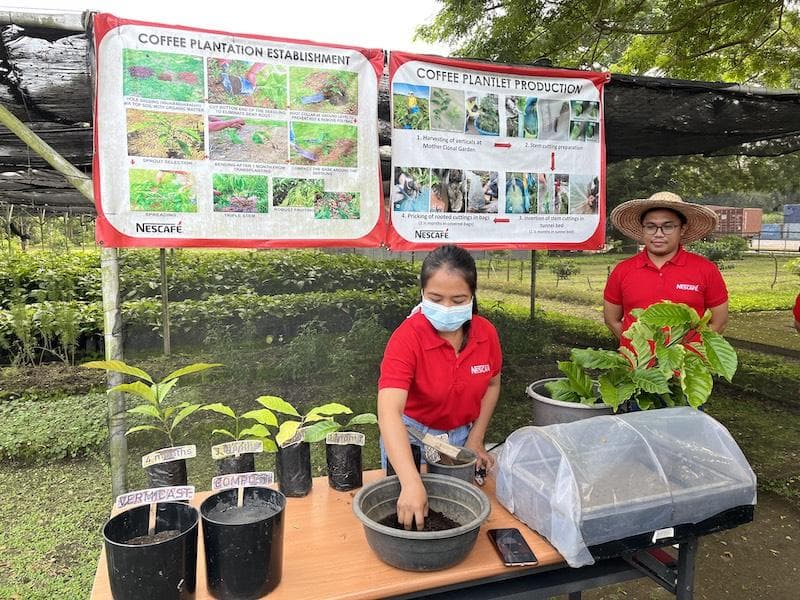
Nestlé explored new ways to expand coffee production in the Philippines, and that matters well beyond the farm gate. If the effort works, it could change how much Philippine coffee reaches the market, which origins buyers can source from, and whether more of the country’s coffee keeps its own flavor identity instead of disappearing into broad, anonymous blends.
The company framed the push around sustainable growth, with local farmers and supply chains at the center of the plan. That wording matters in coffee. A bigger crop means little if growers cannot stay profitable, if cherry quality slips, or if the supply chain is too weak to move parchment and green coffee efficiently. In practice, “new methods” can mean a lot of different things, from better varieties and field agronomy to training, processing upgrades, and buying models that reward quality instead of just volume.
That is where the story gets interesting for cup quality. Philippine coffee has a chance to compete on more than output if Nestlé’s work actually improves how coffee is grown, picked, and handled after harvest. Better farming can lift resilience against weather and disease. Better processing can sharpen clarity in the cup and reduce the defects that flatten flavor. Better purchasing can give farmers a reason to invest in the next crop instead of treating coffee as a side bet.

The supply side is the bigger prize. Rising demand tends to expose the weak spots in any coffee origin, especially when production is fragmented and farmer margins are thin. A sustainable expansion strategy only pays off if it helps keep growers in the game while building a more reliable flow of coffee for roasters and buyers. Otherwise, growth is just a bigger number on paper.
Nestlé’s move in the Philippines is really a test of what kind of coffee system it wants to build. More volume is only half the story. The other half is whether the Philippines comes out of this with more coffee that is available, more coffee that is distinctly Philippine, and more coffee farmers who can stay in the business long enough to shape the next harvest.
This article was produced by Prism’s automated news system from verified source data, official records, and press releases, then run through automated quality and moderation checks before publishing. The system is built and supervised by the people who set the standards it runs under. Read our full AI policy.
Did this article answer your question?