Researchers Use Electrical Conductivity to Measure Coffee Strength and Flavor
A battery-style electrical scan can separate coffee strength from roast fingerprint, giving cafes a faster read on flavor and more consistent dial-ins.
A new way to read the cup
A team at the University of Oregon has turned a tool more at home in battery labs into a new coffee diagnostic, using electrical conductivity to read brewed black coffee like a chemical fingerprint. The idea is simple but powerful: one scan can help separate beverage strength from roast-driven flavor differences, two things that often get tangled together when a barista is trying to decide whether a shot is actually on target.
For roasters, cafes, and serious home brewers, that distinction is the whole game. A coffee can hit the same total dissolved solids number and still drink differently if the roast is darker or lighter, and a roast color reading alone does not say whether the cup is strong enough, under-extracted, or just structurally different. This is where the new method matters most, because it aims squarely at the everyday frustration of inconsistent extraction, misread roast levels, and the pile of wasted coffee that disappears during calibration.
Why refractometers have limits
Coffee science has leaned on refractometers for years because they give a quick read on total dissolved solids, a standard proxy for beverage strength. The industry has also coalesced around a familiar benchmark for enjoyable filter coffee, about 1.35 percent total dissolved solids and roughly 20 percent extraction. Those numbers help, but they do not tell the full story when roast color changes the way a coffee tastes, even if the strength looks identical on paper.
That gap is what the Oregon team set out to close. The researchers say their method can decouple strength from roast color, instead of forcing both into a single reading. In the study, the first current response tracks beverage strength, while later scan behavior, including suppression, tracks roast composition and roast color. In other words, the cup is no longer being judged by one blunt metric when two separate quality-control questions are really being asked.
How the test works in practice
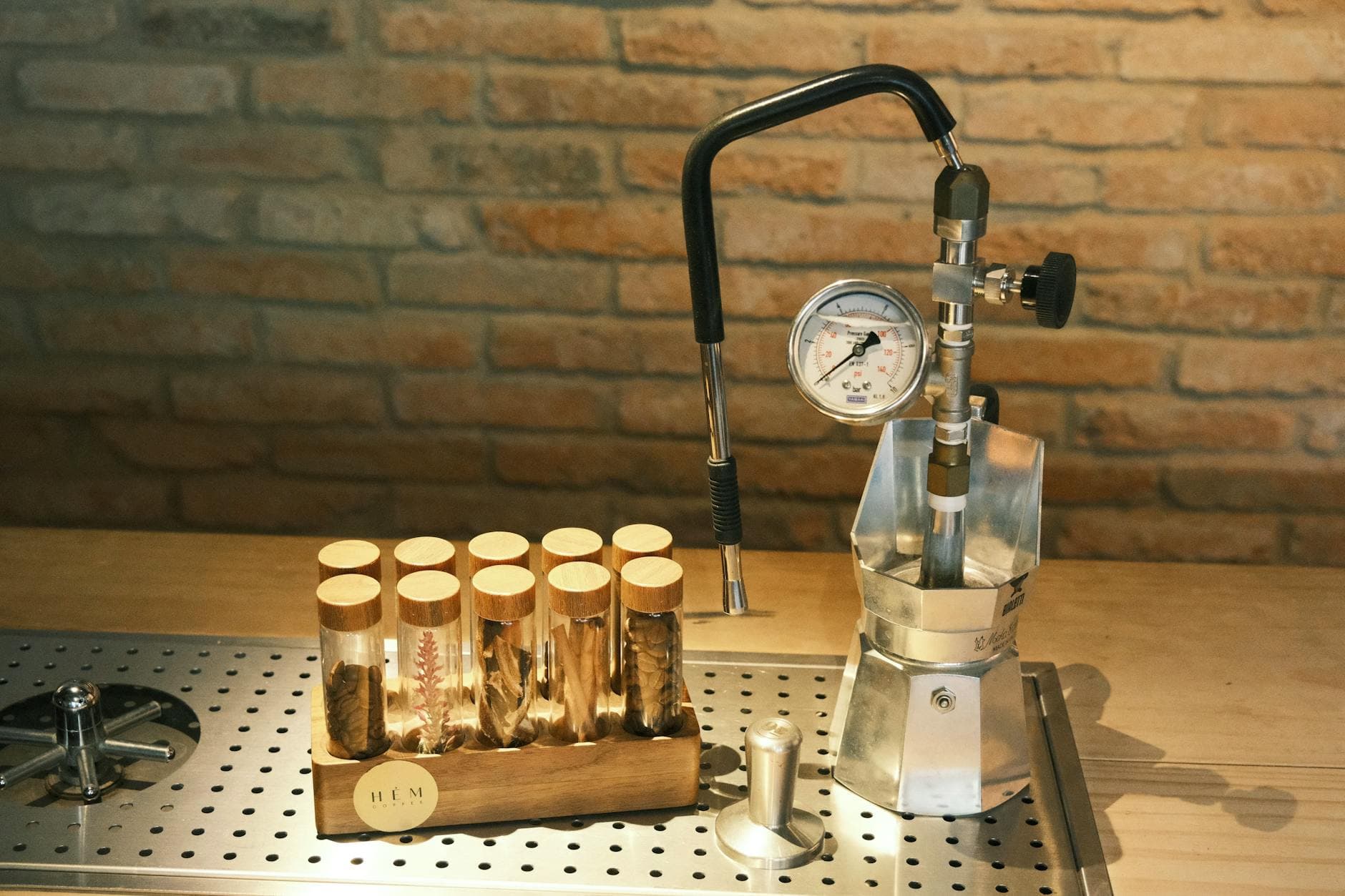
The technique uses cyclic voltammetry, a method widely used in battery and fuel-cell work, paired with a potentiostat. Electrodes are immersed directly into brewed black coffee, and a controlled electrical current is applied while the system reads how the coffee responds. What comes back is a profile that researchers describe as a chemical fingerprint of the drink, one that can carry information about strength and roast-derived flavor in the same pass.
That matters because it gives coffee pros another way to answer the question that sits behind every dial-in session: is this cup tasting the way it should, and if not, why not? A refractometer can tell you whether dissolved material is present in the expected range. Roast color can tell you how dark the beans were before brewing. This electrical approach is trying to connect those two facts to the sensory result in the cup, which is exactly where the daily work of dialing in lives.
What problem it solves on the bar
The immediate appeal is consistency. Christopher Hendon, the lead researcher, said the method could give cafes an objective way to quantify what people like in a cup of coffee and help roasters and baristas replicate a desired flavor profile more consistently. That is a useful shift in emphasis: the goal is not to declare one coffee universally better, but to make the same espresso experience show up cup to cup.
That framing lines up with how coffee is actually brewed in the real world. A barista wants to know whether a shot is running weak because the extraction is off, or whether the roast itself is pushing the flavor in a different direction. During calibration, a small change in grind, dose, water, or roast can send several test shots down the drain. A faster read on strength and roast behavior could reduce that waste and speed up the path to a repeatable recipe.
Part of a broader Hendon coffee lab story
This is not Hendon’s first attempt to bring harder measurement into coffee. His earlier work at the University of Oregon included a 2020 espresso model focused on extraction yield, water flow, and pressure, all central variables for anyone chasing stable shots. In 2023, the same research line showed that adding a splash of water before grinding can reduce static charge and improve espresso consistency, a reminder that even the physics of dry grounds matters once a grinder starts throwing coffee around.
Seen together, those studies sketch a research program aimed at the mechanics of making coffee more predictable. The new conductivity-based method fits neatly into that arc. Instead of treating coffee as a purely sensory object, it treats it as a system with measurable behavior, from the charge on the grounds to the extraction profile in the cup. For coffee people, that is less abstract than it sounds. It is a map of the variables that decide whether a shot tastes clean, harsh, balanced, or simply off.
Why the specialty coffee world is paying attention
The Specialty Coffee Association has already highlighted the work, underscoring the practical interest from baristas and educators. It also pointed to the Hendon Coffee Lab in Eugene, Oregon as both a cafe and a research lab, which says a lot about why this story has legs. This is science being done in the same ecosystem that serves drinks, trains staff, and argues over what a good espresso should taste like.
That close connection to the bar is also why the study resonates beyond academic coffee chemistry. Multiple coffee outlets have emphasized that the work is about helping customers get the same espresso experience from one cup to the next, not about pretending there is one perfect flavor target for everyone. Personal taste still matters. But for the people responsible for making coffee taste intentional, a faster and more objective read on strength and roast could become one more essential calibration tool.
If this method moves from promising paper to everyday workflow, it could change the rhythm of dialing in: fewer blind guesses, fewer wasted shots, and a clearer picture of what the cup is doing before it reaches the counter.
Know something we missed? Have a correction or additional information?
Submit a Tip