Kenya Coffee Auctions Go Global, AI and Reforms Lift Farmers' Earnings
Kenya’s coffee growers are getting paid more as digital bidding, AI cupping and auction reforms push premium lots to global buyers. One recent sale brought in KSh556 million from 10,099 bags.
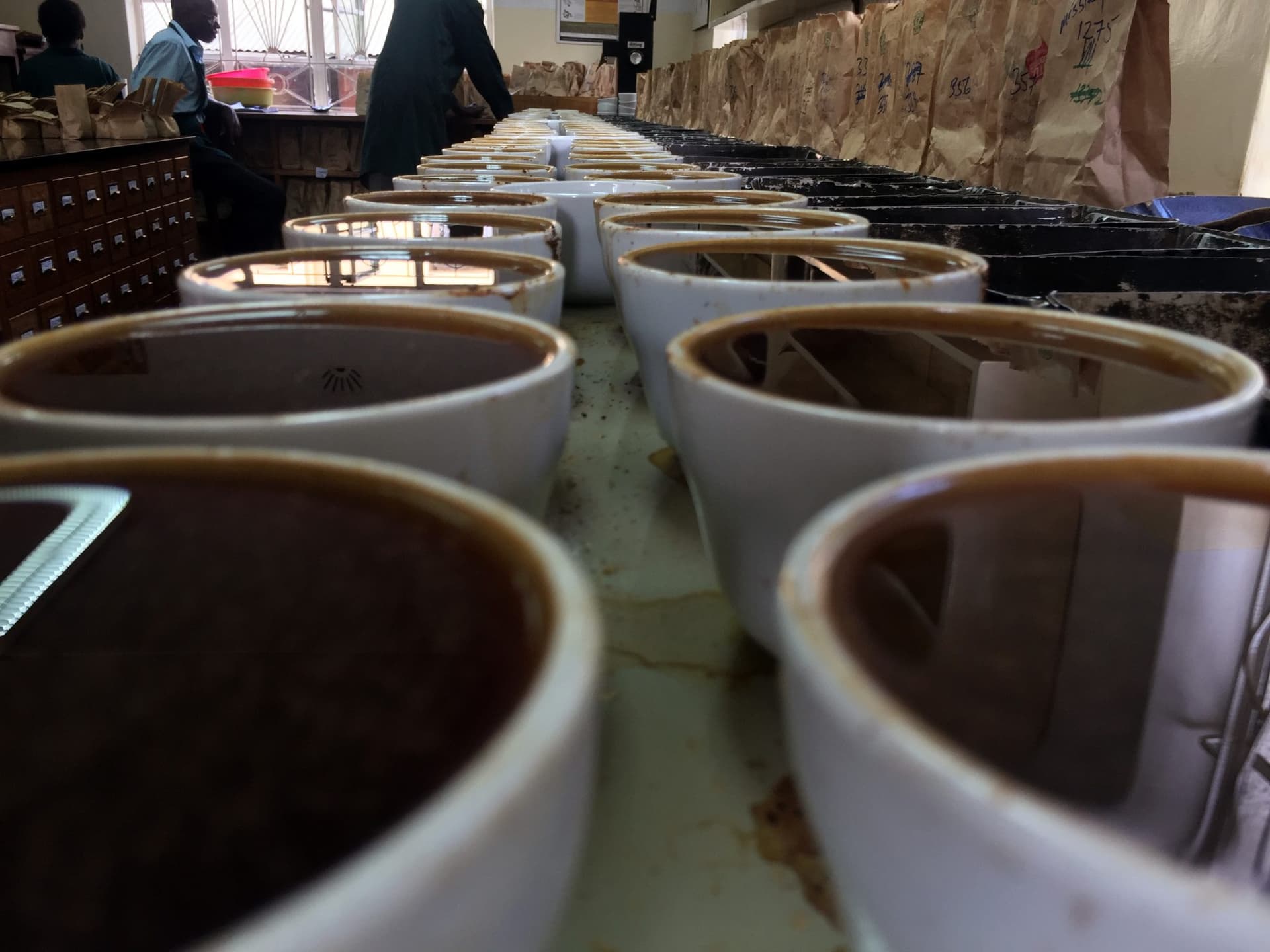
Kenya’s coffee growers are getting paid more for cleaner, better-prepared lots, and the latest numbers show it. Coffee sold on August 12, 2025, generated KSh556 million from 10,099 bags, up sharply from KSh368.5 million from 7,278 bags in the previous sale, a jump that puts quality and auction access back at the center of the trade.
That shift is now being extended beyond Nairobi. Kenya is preparing its first-ever global online coffee auction to open the Nairobi Coffee Exchange to international buyers, with officials saying the goal is to break entrenched cartels, improve transparency and get farmers into better prices faster. The Nairobi Coffee Exchange is the government-regulated, non-profit central auction that serves as the trading floor for Kenyan coffee, and the new digital channel is meant to widen the buyer pool rather than keep it bottled up locally.
The technology piece is starting to matter just as much as the market reform. ProfilePrint Food Tech, a Singapore-based AI cupping system introduced in Kenya with Jabali the Coffee Co., reads the chemical fingerprint of beans and generates a taste profile without physical samples. Kenya News Agency said the system could cut the cost of physical sampling, reduce logistics-related emissions and save traders millions of shillings if it is widely adopted. For exporters and brokers, that is not a side benefit. It is the difference between a slow, costly sample chain and a quicker route to a sale.
The premium is already visible in specialty coffee. At the African Coffee Trade Fair, Kenyan micro-lots reportedly fetched as much as $120 per kilogram in fully digital bidding, with buyers from Europe, Asia, the Middle East and the Americas all in the room, even if the room was virtual. That is the kind of price that changes the math for growers who can deliver traceable, high-scoring coffee.
The timing matters because Kenya’s sector has been badly squeezed for years. Production has fallen from about 150,000 metric tonnes in the early 1990s to around 49,000 metric tonnes by March 2026. Even so, Kenya exported 53,500 tonnes of coffee worth $296.9 million in 2024, and the government says it wants annual output back to 150,000 tons within three years. If the online auction, AI sampling and direct global bidding hold, more of the premium may stay where it belongs: with the farmers who produced it.
This article was produced by Prism’s automated news system from verified source data, official records, and press releases, then run through automated quality and moderation checks before publishing. The system is built and supervised by the people who set the standards it runs under. Read our full AI policy.
Did this article answer your question?