Trader Joe’s coffee lawsuit alleges low-acid roast also low caffeine
Shoppers bought low-acid coffee for stomach comfort, but a California lawsuit said Trader Joe’s roast may have delivered far less caffeine than the label suggested.
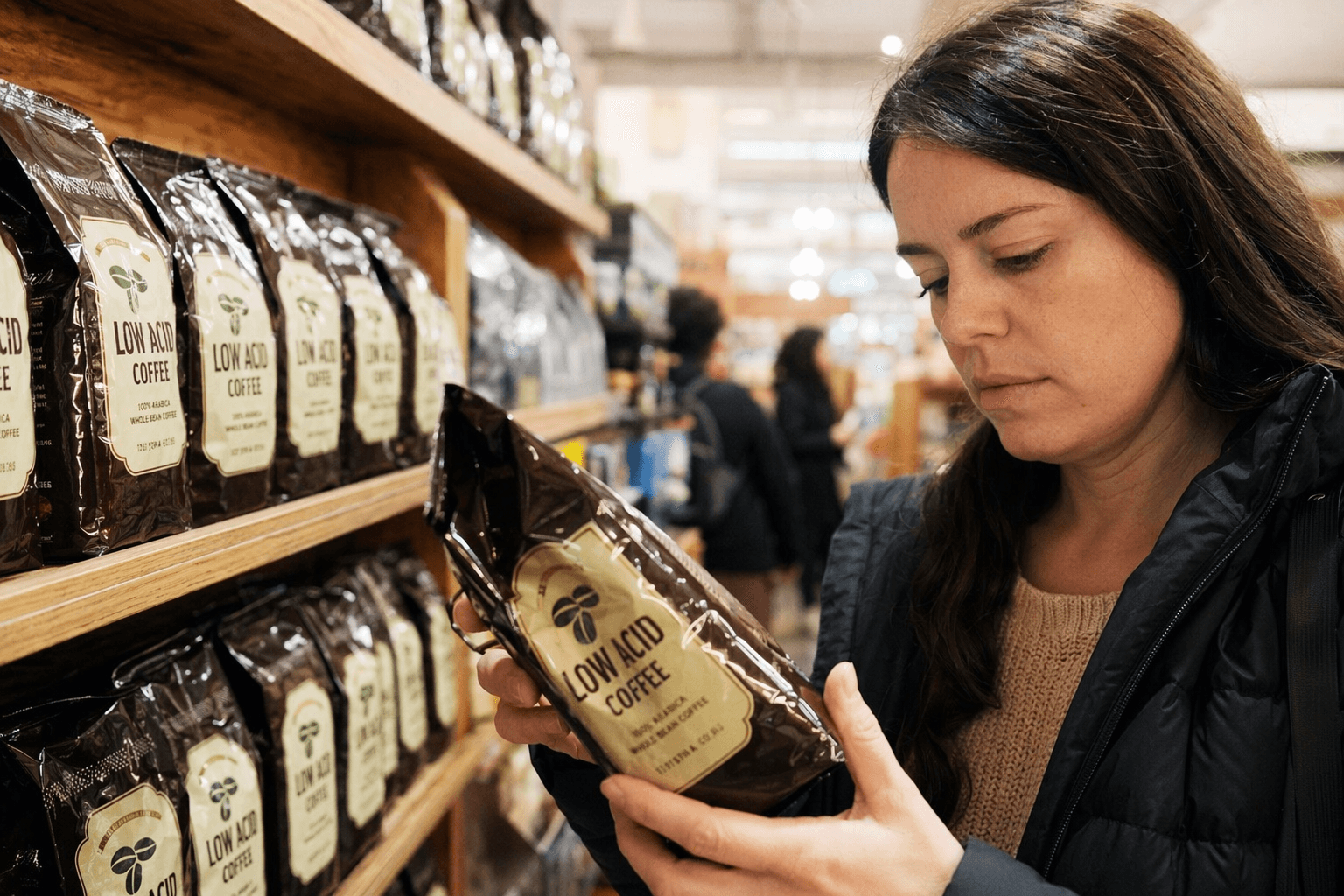
A California class-action lawsuit has put Trader Joe’s French Roast Low Acid whole-bean coffee under a bright light, with plaintiffs saying the bag promised a gentler cup but may have delivered much less caffeine than a morning coffee buyer would expect. Filed on April 23, the complaint argues that the labeling could leave shoppers thinking they were buying a standard full-caffeine roast when the brew may have been closer to half-caff.
That allegation lands in a part of the coffee aisle where language carries real weight. Low acid is not just a flavor note to most shoppers; it is a signal that the cup may be easier on the stomach. At the same time, French roast and other dark-roast terms still cue a strong, familiar jolt. The lawsuit says Trader Joe’s packaging blurred those expectations by emphasizing low acid while not making the caffeine tradeoff clear enough.
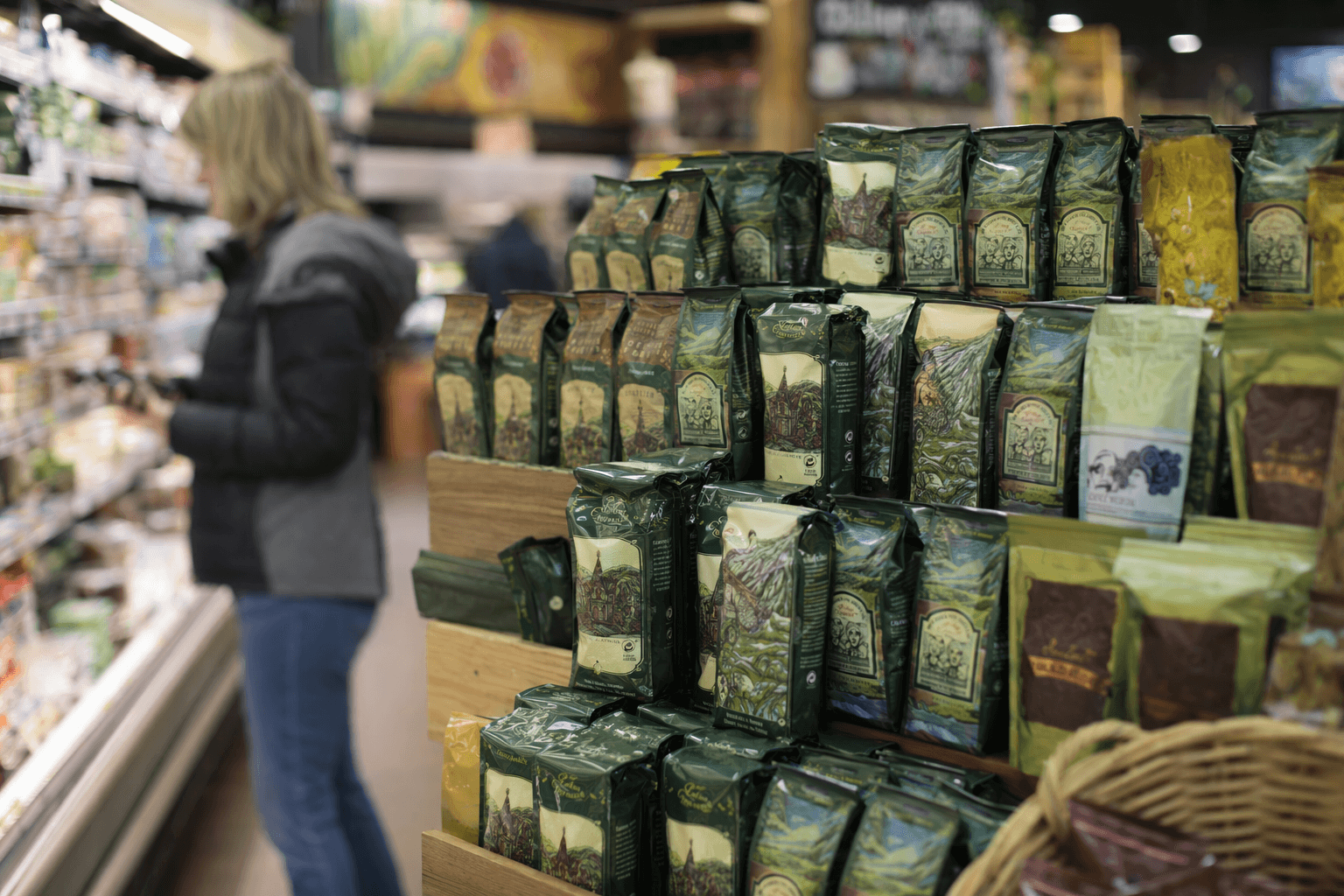
The case involves consumers from California and other states, and it turns on a deceptively simple question: what did buyers think they were getting when they reached for this bag? The complaint says the product was positioned in a way that leaned on the health-coded appeal of low acid while leaving out a practical difference that matters every day, especially for shoppers who rely on coffee for a predictable lift. In a category where strength, smoothness and function are all packed into a few words on a label, that missing disclosure is the center of the dispute.
For coffee retailers and private-label brands, the lawsuit could reverberate well beyond Trader Joe’s shelves. If a court finds the marketing misleading, it could push companies to be more explicit about how roast style, acidity and caffeine content relate to one another on the package. It also reflects a broader consumer shift: shoppers are increasingly willing to challenge wellness-flavored claims when the cup does not match the promise. In coffee, where one word can shape taste expectations and another can shape how alert a customer feels before work, that kind of scrutiny could spread quickly.
This article was produced by Prism’s automated news system from verified source data, official records, and press releases, then run through automated quality and moderation checks before publishing. The system is built and supervised by the people who set the standards it runs under. Read our full AI policy.
Did this article answer your question?