Square Report Finds Coffee Shops Are Key Connectors in Local Economies
Square's 2026 Local Economy Report found that coffee shop regulars tip 11% higher and funnel customers to five other ZIP-code businesses, generating up to $2,201 in added annual revenue per connection.
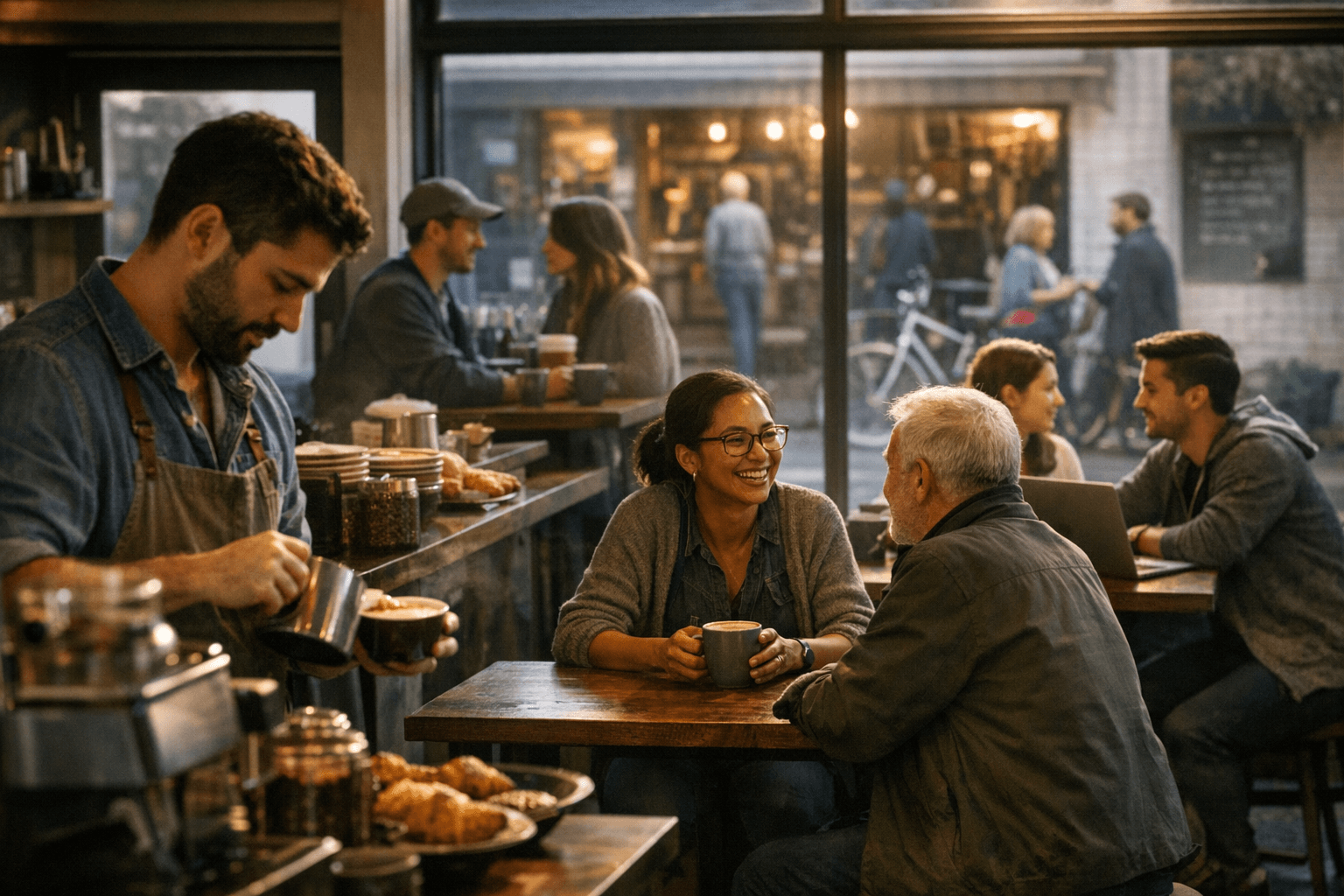
The person ordering "the usual" at your neighborhood cafe is doing more than keeping the lights on at that one shop. According to Square's 2026 Local Economy Report, that habitual customer is quietly subsidizing the salon two doors down, the pet groomer around the corner, and the auto shop at the end of the block.
Square's report, described as a first-of-its-kind analysis, found that regular customers drive 6x more revenue for local businesses compared to one-time visitors. Coffee shops and casual dining establishments ranked as the most common neighborhood connectors, acting as everyday hubs that funnel customers to retail, beauty, and service businesses. Coffee shops, in particular, tend to share regulars with other business categories the most, underscoring their central role in local communities.
The methodology behind those claims is worth understanding. Square analyzed all buyer-seller interactions from January 2019 through December 2025, defining a "regular" relationship as one in which transactions occurred on four or more distinct dates within a year. The report also drew on a survey of 994 U.S. consumers fielded between September 23 and December 30, 2025, and used Cash App consumer data to measure how local dollars circulate.
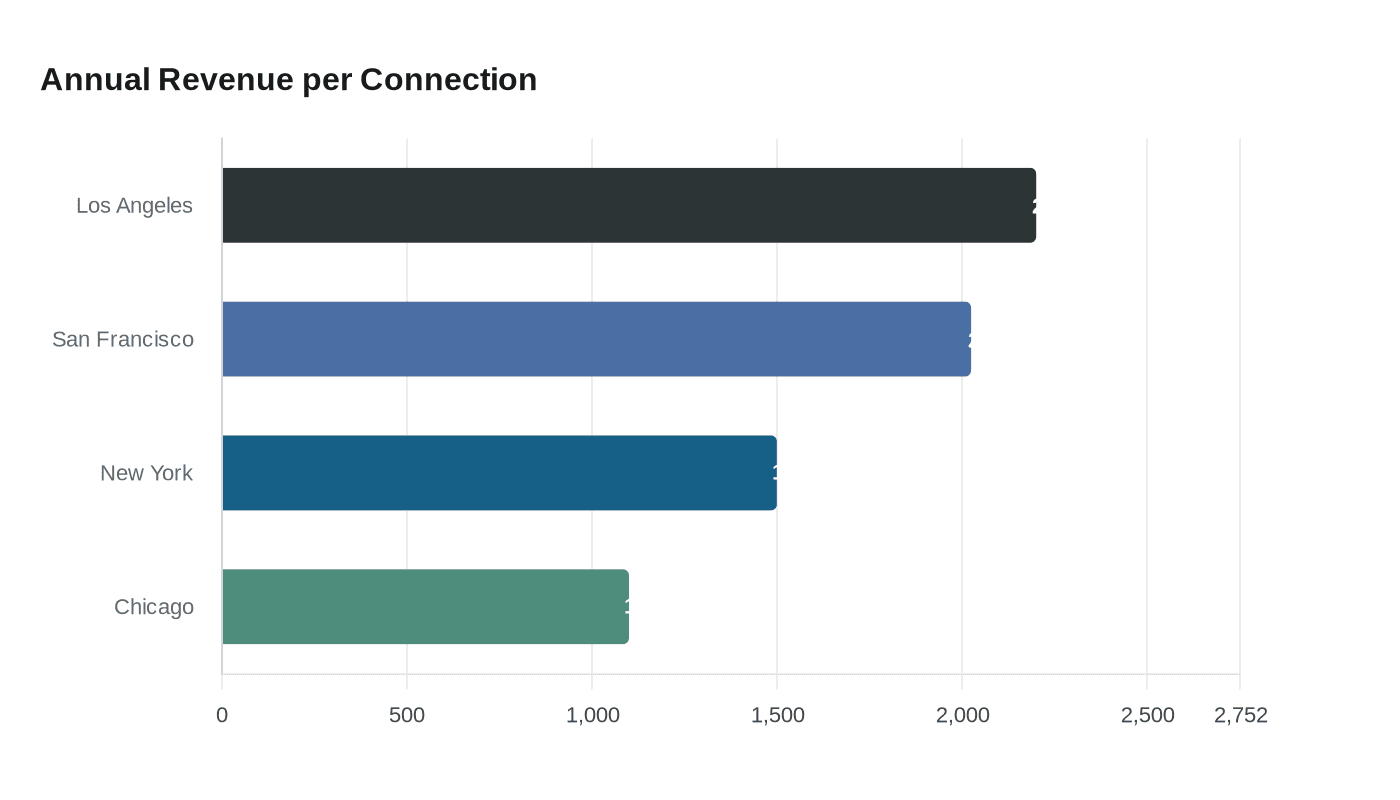
32% of regular customers are shared by businesses in the same ZIP code, and each network connection between businesses can generate thousands in additional annual revenue. Regular customers tip an average of 11% more than transient customers, and their predictable purchase patterns create the kind of steady demand that matters most during uncertain economic conditions. The city-level revenue numbers put a sharper point on what that connectivity means in practice: businesses in Los Angeles earn an average of $2,201 more in annual revenue per connection, while San Francisco comes in at $2,025, New York at $1,500, and Chicago at $1,100. In San Francisco specifically, 67% of sellers are already connected to other nearby businesses through shared regulars.
"Neighborhoods aren't just a collection of individual businesses; they're interconnected networks where success is shared," said Nick Molnar, Global Head of Sales & Marketing at Block. "When a coffee shop thrives, the salon next door benefits. When regulars support one business, they're often supporting five others in the same ZIP code."
For cafe operators specifically, the data reframes how to think about foot traffic. The outsize role coffee shops play isn't just in their own revenue column; they serve as repeat-visit anchors for adjacent business types, a role that shows up across business categories as varied as salons, auto shops, and pet groomers. Looking ahead, 75% of consumers plan to spend at least as much, if not more, at local businesses over the next 12 months, and 32% often or always visit multiple local businesses in a single outing, reinforcing the neighborhood network effect.
Up to 60 cents of every dollar spent at local businesses stays circulating within the neighborhood, according to Cash App consumer data included in the report, a figure that gives the "neighborhood network" framing a tangible economic weight beyond the marketing language.
The consumer survey surfaced a few preference signals worth noting. 56% of respondents said knowledgeable staff make a local business memorable, 44% said delivery or in-store pickup options would make them more likely to return, and 39% said mobile payments and digital loyalty programs would have the same effect. Worth flagging: Square sells products tied directly to digital loyalty and delivery, a commercial overlap that Daily Coffee News explicitly noted in its coverage of the report.
Most local businesses gauge success by what is happening in their own books, but true resilience now requires looking outward at the neighborhood network, according to Square's framing. For coffee shop owners who already know their regulars by first name and order, that argument will land intuitively. The data now puts numbers to what most independent operators have always suspected: the morning pour-over habit that walks through your door at 7:45 a.m. doesn't stop spending when it leaves your shop.
This article was produced by Prism’s automated news system from verified source data, official records, and press releases, then run through automated quality and moderation checks before publishing. The system is built and supervised by the people who set the standards it runs under. Read our full AI policy.
Did this article answer your question?