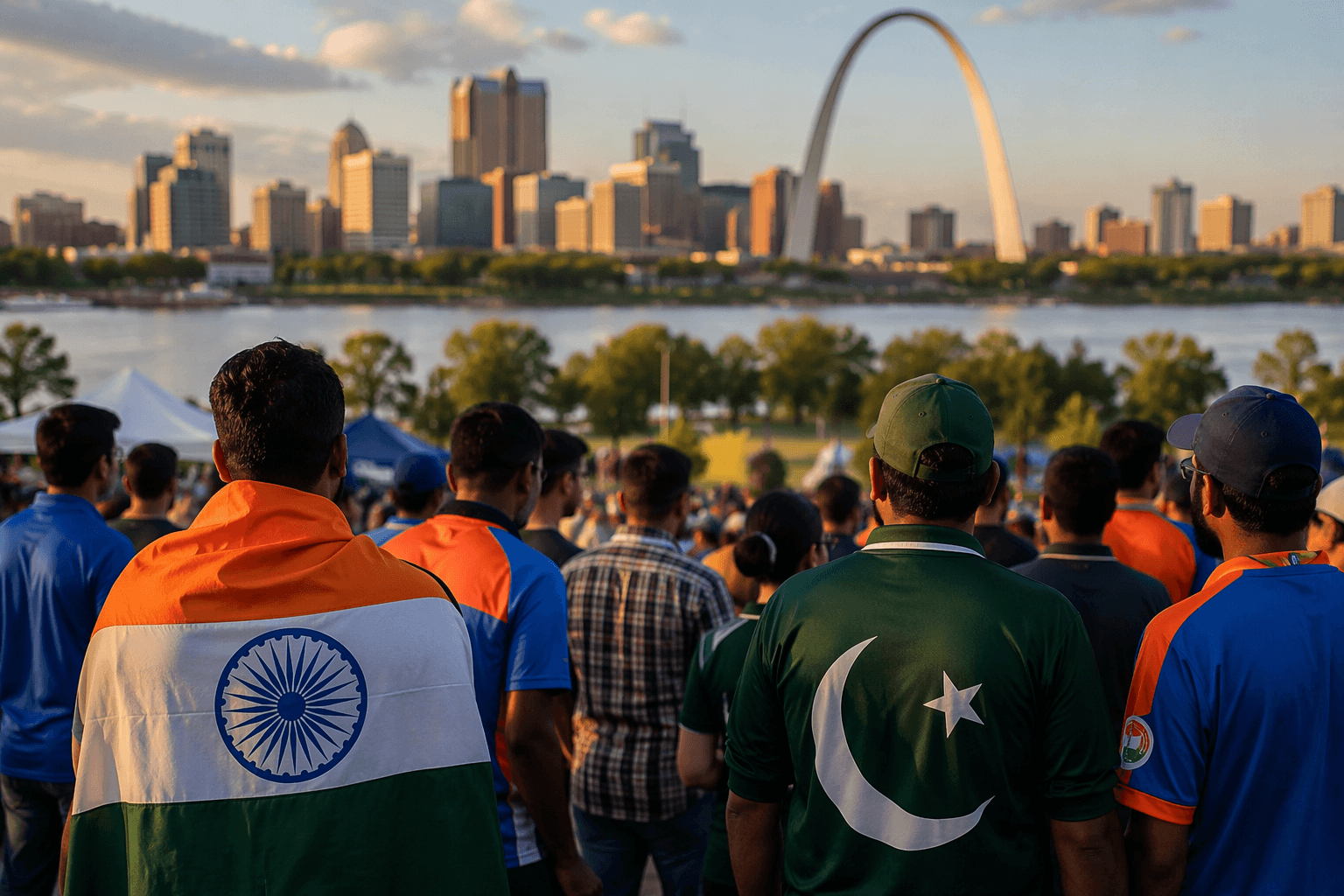
Missouri cricket splits between hard tennis-ball and leather-ball leagues
Missouri cricket runs on two tracks: easy-to-start tennis-ball leagues feed weekly play, while leather-ball circuits give committed players a tougher, more formal path.
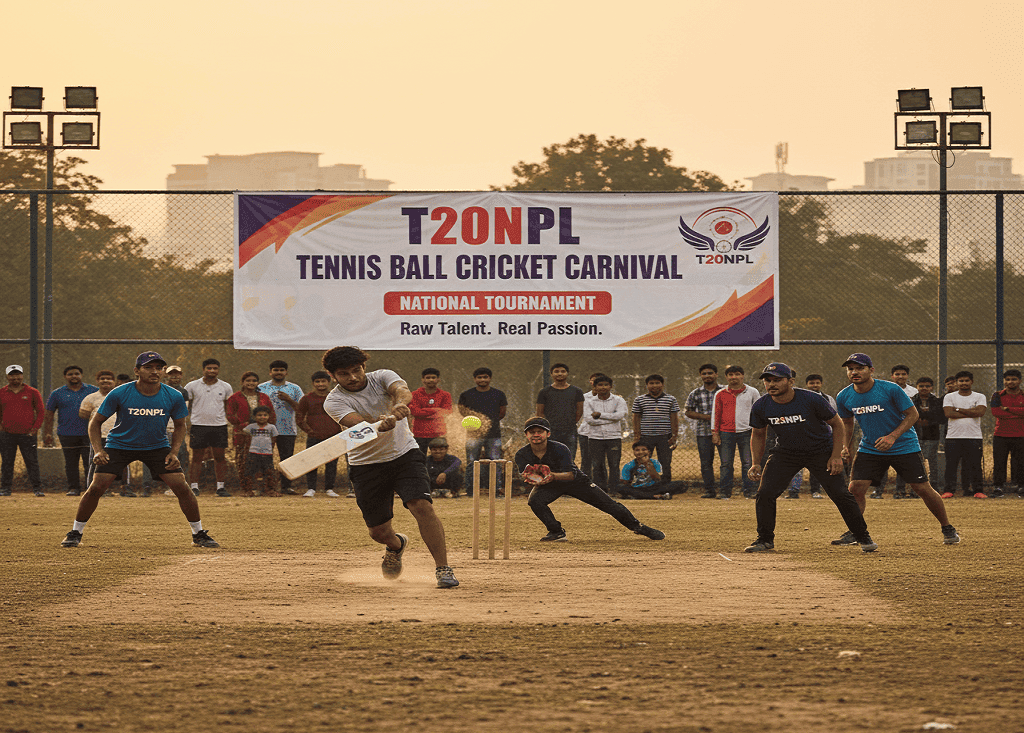
Missouri cricket is built like a ladder, not a single lane. If you are trying to get into the scene, the hard tennis-ball leagues are the easiest way in, while leather-ball competitions give you the next rung up when you want more structure, sharper skills, and a truer version of the global game. That is why both formats matter in St. Louis, Kansas City, and Wentzville: one keeps people playing every week, and the other gives serious players a path forward.
Two ball types, two jobs
The local league pages make the split obvious. The Saint Louis Cricket League lists a hard tennis-ball club series, including an Autumn 2025 T15 T3 entry, plus earlier T12 and T3 events. In Kansas City, the Cricket Premier League of Kansas City lists a 2025 Spring League division built around Hard Tennis Ball, Club, Twenty20 cricket, with a maximum of 18 overs. That side of the game is built for easy scheduling, lower cost, and a faster way to get a team on the field.
Leather-ball cricket sits on the other side of the ladder. The Missouri Premier Cricket League lists its 2025 Summer Cup as Leather Ball, Club, Twenty20 with a 20-over maximum, and the Major Cricket League in Wentzville is built around 20-over and 30-over leather-ball cricket. CricHeroes also classifies Missouri tournaments by tennis-ball and leather-ball categories, which shows this is not just casual shorthand. It is the organizing logic of the state’s club scene.
Why tennis-ball leagues pull people in
Tennis-ball cricket is the version that lowers the barrier to entry. It is easier to organize, easier to squeeze into shared park time, and a better fit for casual club networks where players may be balancing work, family, and limited field access. In practice, that makes it the format most likely to keep weekly play alive.
The Saint Louis Cricket League’s hard-tennis-ball schedule shows how that works on the ground. A league that can run T3, T12, and a T15 T3 series can build regular match days without asking every team to commit to a full leather-ball setup. In Kansas City, the Cricket Premier League’s 18-over cap points in the same direction: the format stays compact, but still gives players enough cricket to feel like a real match, not just a pickup game.
Leather-ball cricket is the next step up
Leather-ball leagues demand more from players, and that is exactly why they matter. The Missouri Premier Cricket League’s Summer Cup and the Major Cricket League in Wentzville both lean into the more traditional version of the sport, where seam movement, protective gear, bowling discipline, and longer-form batting technique all matter more. If you want the full club-cricket challenge, this is the track that tests you.
The 2025 Missouri Premier Cricket League Summer Cup makes that pathway clear. It started on June 7, 2025, is listed as men’s leather-ball, club, Twenty20 cricket, and includes 12 teams: Afghan Stars, Blues, Falcons, Gujarat Superstars, Gully Strikers, Manchester Stallions, Rising Stars, Slayers, STL Dragons, STL Phoenix, and STL Qalandars. That is not a one-off exhibition. It is a real competitive structure with depth, continuity, and enough teams to sustain a season.
St. Louis built the base long before the current leagues
The current league landscape makes more sense once you look at how St. Louis cricket grew. In 2017, St. Louis Public Radio reported that the American Cricket Academy and Club of St. Louis got its first dedicated home at BaratHaven Park in Dardenne Prairie, in St. Charles County. The same report quoted founder Ajay Jhamb saying the club had around 160 kids playing at the time.
That growth did not stall. By 2019, the same outlet reported that the academy had expanded from 6 members to 300. Jhamb described the club’s three values as “character, community and then cricket,” and the group was already doing volunteer work at veteran hospitals, food banks, and highway cleanups. That matters because Missouri cricket is not just adult league life. It is a community structure that brings families, kids, and volunteers into the sport together.
Youth and women are part of the ladder too
The St. Louis area cricket scene has a clear youth and women’s pipeline. STLCL records show a Women Cricket League - T1 2024 alongside the men’s hard-ball series. St. Louis Public Radio also reported in 2017 that ACAC included four women’s teams and about 25 girls in the academy.
That youth side gives the tennis-ball and leather-ball split even more purpose. Taine Dry, 15, and Pooja Ganesh, 11, were both part of the local cricket conversation in 2019, which is a reminder that the route into the game starts early for many families. Tennis-ball cricket is often the first touchpoint, but it is not the end of the road. It gives younger players, women, and newcomers a place to learn the basics before they decide whether to move into leather-ball competition.
The Missouri numbers explain the depth
The player pool is there to support both tracks. St. Louis Public Radio reported in 2023 that the St. Louis region had 17,842 people living in the area from India in 2021, up from 11,230 about a decade earlier, and that people from India had become the region’s fastest-growing group. That demographic growth helps explain why Missouri can support multiple parallel formats instead of forcing everyone into one model.
USA Cricket’s role also keeps the system legible. It says it is the sole governing body for cricket in the United States and approves domestic cricket under International Cricket Council regulations. Its July 2025 club and league listings include both leather-ball and tennis-ball or taped-ball-style competitions elsewhere in the country, which puts Missouri in line with a broader American pattern. The state is not inventing a separate sport. It is building a practical local system around the players and facilities it actually has.
Missouri cricket works because the first step and the serious step are both available. Tennis-ball leagues keep the doors open, the schedules manageable, and the weekly games moving. Leather-ball leagues raise the ceiling for players who want a sharper, more formal test. Together, they are what gives the state’s cricket scene both reach and staying power.
This article was produced by Prism’s automated news system from verified source data, official records, and press releases, then run through automated quality and moderation checks before publishing. The system is built and supervised by the people who set the standards it runs under. Read our full AI policy.
Did this article answer your question?