Blocking Your Crochet Work Creates Polished, Professional Finished Pieces
Blocking is the finishing step most crocheters skip — and the one that separates a lumpy, uneven project from something that looks truly handcrafted.
If you've ever finished a crochet project, woven in your ends, and thought "something still looks off," blocking is almost certainly the answer. Stitches that pucker, edges that curl, lace motifs that look like a tangled mess instead of an elegant pattern — all of that gets resolved on the blocking board. It's the step that separates a piece that looks handmade in the best possible way from one that just looks... unfinished.
What blocking actually does
At its core, blocking is the process of wetting, shaping, and setting your fabric so the finished piece holds its intended dimensions. When you block, you're manipulating the fibers while they're pliable, then letting them dry in position. The result: stitches sit evenly across the fabric, edges straighten out and stop rolling, and any lace or textured motifs open up to show the full detail of the pattern. That granny square that came off your hook looking slightly lopsided? Blocking squares it up. That shawl with the delicate shell edging that's pulling inward? Blocking fans it out into the drape the designer intended.
This isn't just aesthetic fussiness. Consistent stitch definition and even measurements matter especially when you're joining motifs, seaming garment pieces, or gifting something you want to look truly polished.
The main blocking methods
Not every project gets blocked the same way, and choosing the right method comes down to your fiber content and how aggressively the piece needs reshaping.
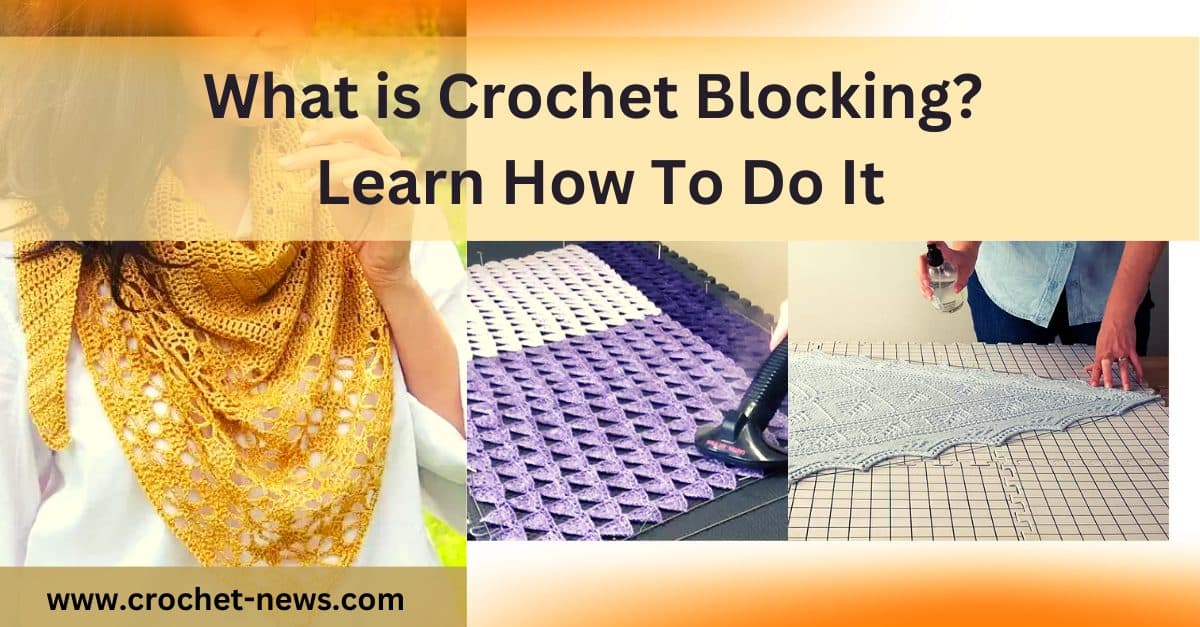
Wet blocking is the most common approach and works well for natural fibers like cotton, linen, and many wool blends. You soak the finished piece in cool water for 20 to 30 minutes, gently squeeze out the excess water without wringing, then lay it flat and pin it to your measurements. The fiber absorbs the moisture and becomes pliable enough to ease into shape.
Steam blocking is faster and gives you more control, which makes it particularly effective for acrylic yarn and stubborn edges. You pin the piece to your blocking surface first, then hold a steam iron a few centimeters above the fabric and let the steam penetrate the fibers. Never press the iron directly onto your crochet work; the weight and direct heat can flatten texture and, with acrylic, cause irreversible damage to the fibers.
Spray blocking is the gentlest method and works for pieces that only need minor adjustments. You pin the piece to shape first, mist it evenly with a spray bottle, and let it dry. It's a good choice for projects where you don't want to fully saturate the fabric, like a piece with embellishments or a finished item that just needs a quick refresh.
What you need before you start
You don't need an elaborate setup, but a few specific tools make the process much smoother.
- A foam blocking mat or interlocking foam tiles: these are your work surface, and you need something you can push pins into. Dedicated blocking mats often have a grid printed on them, which is invaluable when you're trying to hit exact measurements.
- Rust-proof T-pins or blocking pins: regular sewing pins will leave rust stains on your wet fiber. Don't skip the rust-proof detail here.
- A measuring tape: blocking to your finished measurements (listed in most patterns as "finished measurements after blocking") is how you get consistent, repeatable results.
- A spray bottle for spray blocking, or a clean basin or sink for wet blocking.
- Blocking wires: not mandatory, but a genuine time-saver for shawls and large pieces with long straight edges. You thread the wire along the edge and then pin to the wire rather than placing dozens of individual pins directly in the fabric.
Fiber matters more than you'd think
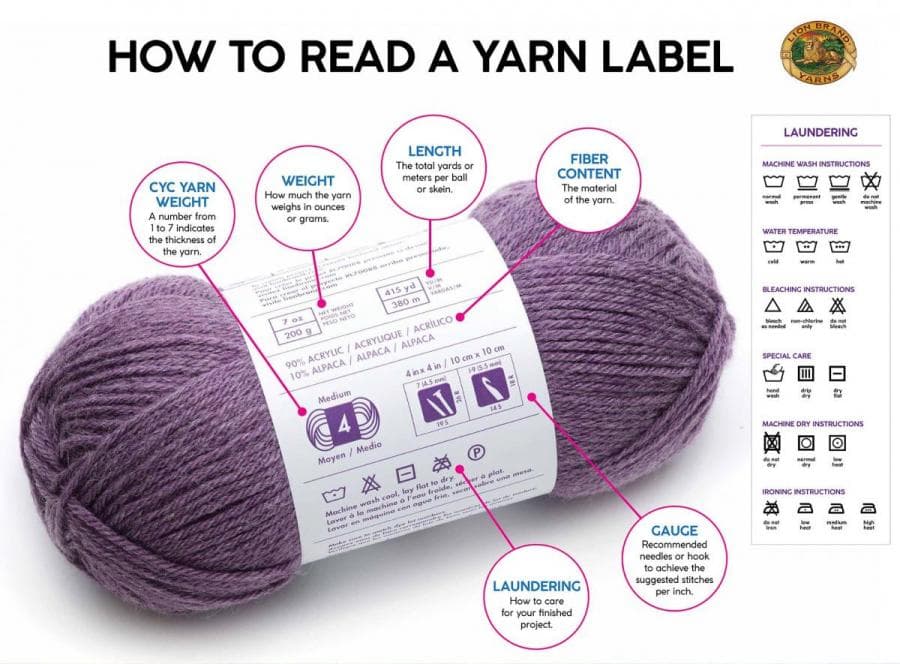
One thing that trips up newer crocheters: not all yarn blocks the same way. Natural protein fibers like wool and alpaca respond beautifully to wet blocking and will hold their shape after drying. Plant fibers like cotton and linen block well but may require a firmer hand with pinning since they're less elastic. Acrylic, which makes up a huge portion of yarn in most crochet stashes, doesn't respond to water the same way but can be effectively blocked with steam. The critical caveat with acrylic is temperature control — too much direct heat "kills" the fiber, leaving it limp and with a slight sheen that can't be reversed. When in doubt with an acrylic or acrylic blend, start with the spray method and add steam only if needed.
The actual process, step by step
For wet blocking, here's the sequence that works consistently:
1. Soak the finished piece in cool or lukewarm water for at least 20 minutes. Don't agitate it; just let it absorb the water fully.
2. Lift it out of the water supporting the full weight of the piece — wet fabric is heavy and stretchy, and pulling it from one end can distort the shape you're about to set.
3. Lay it on a clean towel, roll the towel up with the piece inside, and gently press to remove excess water. Unroll and transfer to your blocking mat.
4. Using your measuring tape, pin the piece to the finished measurements listed in your pattern. Work from the center outward to avoid creating distortion by pulling too hard in one direction.
5. For lace, ease out each point and pin it individually. This is where lace goes from "interesting texture" to genuinely stunning.
6. Leave it to dry completely before removing pins. Depending on fiber and room humidity, this can take anywhere from a few hours to a full day.
When blocking makes the biggest difference
Some projects benefit from blocking more dramatically than others. Lace shawls are the obvious candidate — the open stitches simply don't read correctly until they've been blocked open. Granny square blankets and motif-based projects become much easier to seam when every piece is blocked to the same dimensions before assembly. Garments benefit from blocking at the piece stage, before seaming, so each panel is exactly the right size. Even simple scarves and cowls look noticeably more refined after blocking; the fabric relaxes, drape improves, and stitch definition sharpens.
A note on blocking after washing
One thing worth knowing: you may need to re-block after washing, especially with natural fibers. Wool in particular can shift when it gets wet again. The good news is that once you've done it once, re-blocking the same piece goes quickly since you know exactly what measurements you're working toward. Building a light blocking step into your finished object care routine keeps handmade pieces looking intentional and well-made for years.
Blocking isn't complicated once you've done it a few times, but it does require patience. The drying phase in particular resists rushing. What you get in return is a finished piece that reflects the actual quality of your work, with every stitch and every hour of effort showing exactly as it should.
This article was produced by Prism’s automated news system from verified source data, official records, and press releases, then run through automated quality and moderation checks before publishing. The system is built and supervised by the people who set the standards it runs under. Read our full AI policy.
Did this article answer your question?