Crochet designers ask for bigger amigurumi pattern ideas
Crocheters on Ribblr are using bigger-pattern threads to map the next leap from tiny amigurumi to jumbo plush, advanced skills, and smarter project picks.
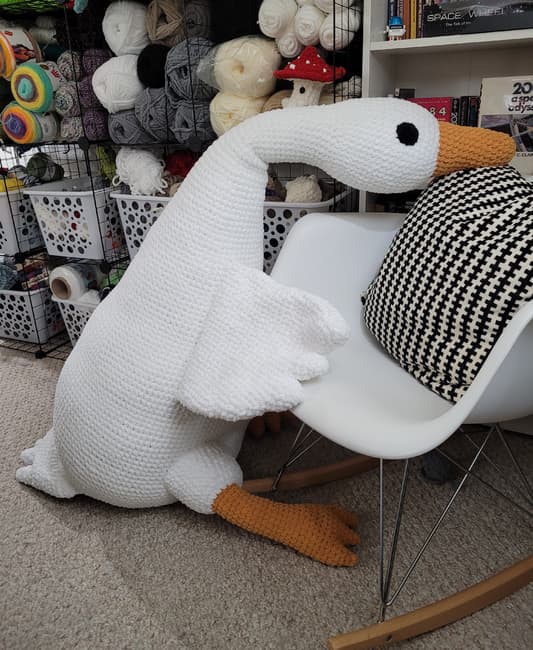
A Ribblr thread called Bigger pattern ideas? sits in the Crochet area with amigurumi and patterns tags, and its July 19 activity marker shows the appetite for a bigger project is very much alive. Posts across the platform about larger patterns, jumbo plush, and advanced crochet show the same itch.
Why bigger requests keep surfacing
The pattern is easy to spot once you look at the surrounding threads. In Larger crochet patterns?, the poster says, "I love making larger patterns" and asks for "good larger free crochet patterns" after finishing a market run. In Jumbo Amigurumi Ideas?, the request is even more direct: "some really big amigurumi," with a plea for link suggestions, "Preferably free-".
The Advanced crochet thread approaches the same question from a skills angle. The maker says they want to "really up my crochet game," feels stuck at "beginner to intermediate," and wants patterns that will "really test my skills and help me learn some new techniques!" Crocheters are looking for projects that stretch them, not just projects that finish fast.
What "bigger" means in practice
In the amigurumi lane, bigger does not just mean more stitches. It often means larger creatures, roomier body shapes, bigger display pieces, or more detailed character designs that feel like a step up from pocket-sized makes. That shift changes the whole workflow, because a larger plush asks for more control over shaping, stuffing, and assembly, not just a bigger ball of yarn.
It also changes the value of the pattern itself. Bigger pieces can support higher price points, more complex tester opportunities, and more varied yarn choices, which is why designers and hobby sellers keep circling back to this question.
Oversized toys and statement amigurumi
If you are moving from small amigurumi to something that reads from across the room, oversized toys are the cleanest next step. You are still working in the toy and plush lane, but the project starts demanding consistent tension over a much larger surface, plus smarter planning for stuffing so the shape stays crisp instead of lumpy.
This is also where design details start to matter more. A larger snout, ears, limbs, or belly gives you room to refine proportion. The risk is that any shaping mistake becomes obvious at scale, so this is the point where careful stitch counts and neat joins stop being optional.
Bags when you want something useful
Once a crocheter wants a project that is bigger and more functional, bags are a natural move. They trade the soft sculpting of amigurumi for structure, which means firmer fabric, sturdier straps, and a better sense of how the finished piece will carry weight. That is a different skill set from plush making, because a bag has to hold its shape in real use.
Bags are also a good bridge project for makers who want to keep crochet feeling practical. You still get the satisfaction of making something from scratch, but now the payoff is an object that can leave the craft table and get used every day. The challenge is durability, not stuffing.
Wearables when fit becomes the challenge
Wearables raise the stakes in a different way. Instead of asking whether the piece looks good on a shelf, you have to think about gauge, drape, and fit, which is a much stricter test of consistency. That is why wearables are often where crocheters start to feel the jump from comfortable pattern-following to true pattern reading.
For someone who has outgrown beginner amigurumi, a wearable is a clean way to "really test my skills," just like the Advanced crochet poster wants. The project has to behave on a body, not just in a hand, so the maker has to measure carefully and pay attention to how the fabric moves.
Blankets when you want endurance
Blankets do not require the same shaping as plush, but they demand patience, stitch discipline, and the stamina to repeat a pattern without drifting off count. They are a classic step up when a crocheter wants something bigger without moving into garment fitting.
That makes blankets useful for makers who want a longer project cycle after quick amigurumi. They reward consistency over speed, and they are often where people learn to manage color changes, borders, and yarn consumption over a much longer run.
Why Ribblr is where these asks surface
Ribblr’s amigurumi pages list "hundreds" of crochet amigurumi patterns, including a separate page for hundreds of free patterns. When a platform has that much inventory, a designer asking for bigger ideas is not hunting for another tiny toy by accident. The designer is looking for the next pattern that feels fresh enough to stand out.
Ribblr’s app store listing presents the platform as a place to discover trending crochet, knitting, and sewing patterns in an interactive format. That makes it a natural place to crowdsource bigger directions before drafting, testing, and photographing a release.
This article was produced by Prism’s automated news system from verified source data, official records, and press releases, then run through automated quality and moderation checks before publishing. The system is built and supervised by the people who set the standards it runs under. Read our full AI policy.
Did this article answer your question?