Free Winterberry Blanket Pattern Offers Beginners a Quick Super-Bulky Crochet Project
Super-bulky yarn, a satisfying textured stitch, and zero cost: Michelle Moore's free Winterberry Blanket pattern is the weekend project your hook has been waiting for.
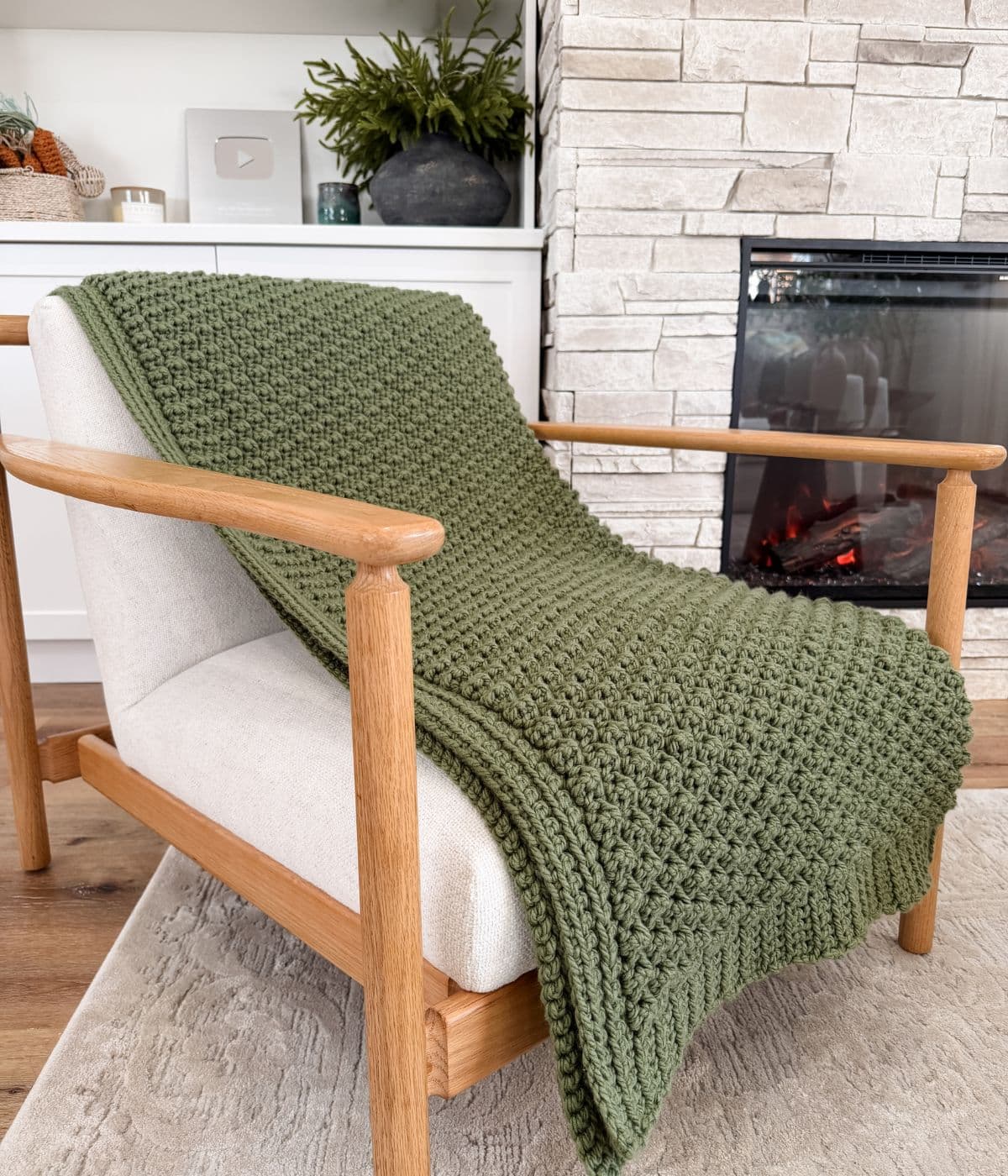
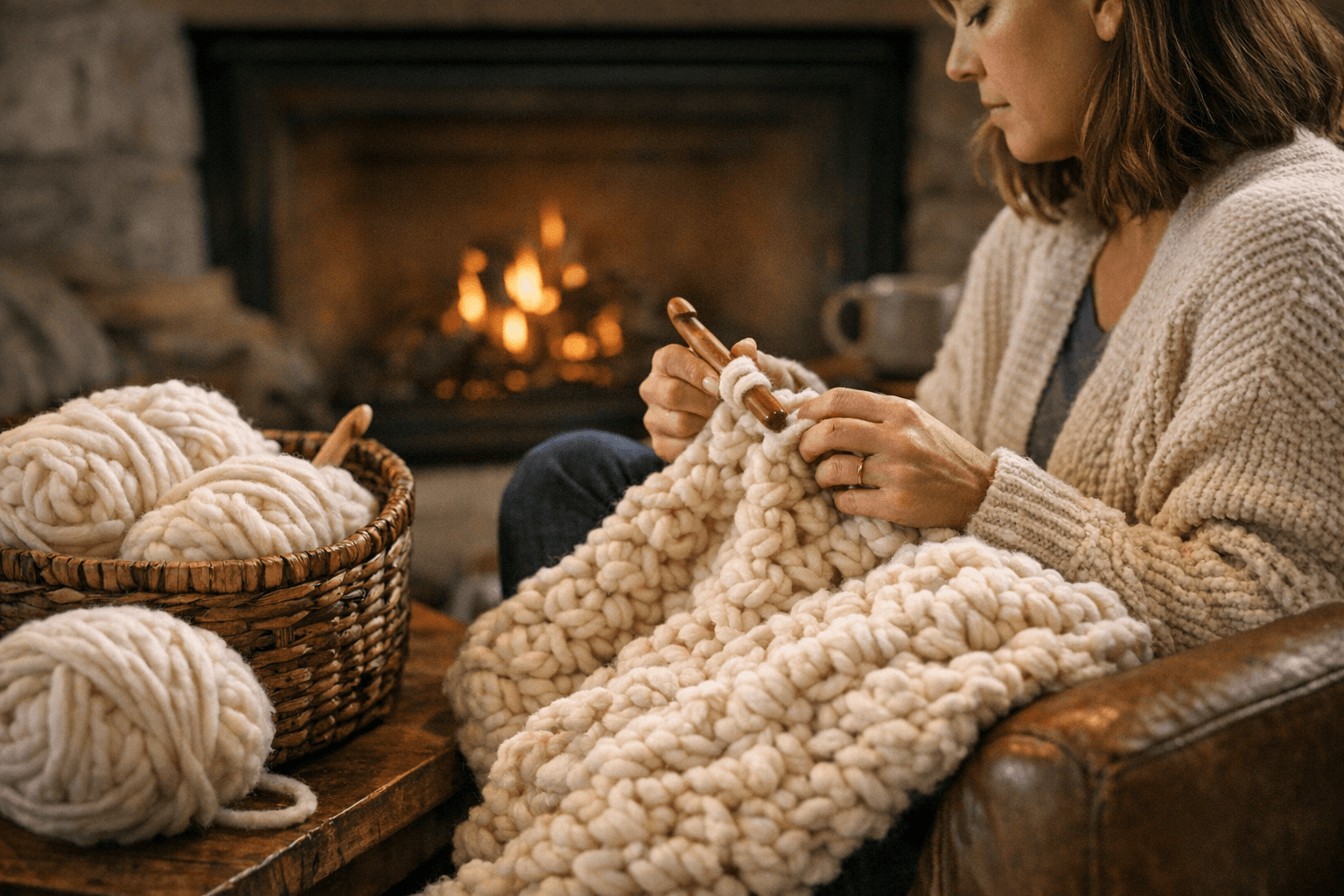
If you've been eyeing a cozy, chunky throw but dreading the complexity, Michelle Moore of MJ's Off the Hook Designs has exactly what you need. On March 19, 2026, Moore released the Winterberry Blanket, a free, multi-size, beginner-friendly pattern built around super-bulky yarn and an Offset Winterberry Stitch that produces rich texture without demanding advanced technique. A step-by-step video tutorial accompanies the written pattern, so you're never left guessing what a row should look like before you move on.
What Makes the Winterberry Blanket a Smart Beginner Pick
The combination of super-bulky (size 6) yarn and a design that "works up quickl" is no accident. Chunky yarn on a large hook covers ground fast, which means you're seeing real, motivating progress within your first sitting rather than wondering if you'll ever finish a throw-sized project. The Offset Winterberry Stitch gives the finished fabric a dimensional, berry-cluster look that reads as far more intricate than the technique actually requires. For a new crocheter, that payoff-to-effort ratio is hard to beat.
The multi-size format means you're not locked into a single finished dimension. Whether you want a lap blanket, a full throw for the couch, or something large enough to pull across a bed, the pattern scales to accommodate different needs, which also makes it a genuinely flexible gift option.
The Stitch Pattern and Construction at a Glance
Similar super-bulky blanket patterns in this space, including one from Hanjancrochet, offer a clear window into how this style of construction typically unfolds. Hanjancrochet's version is a one-piece design with no seaming, and the row structure breaks into repeating sets that keep the rhythm predictable once you've worked through the first sequence.
In that approach, Rows 2 and 3 establish what the pattern calls the First Set Pattern, with Rows 4 through 9 repeating it. Row 10 introduces a modified sequence using back-loop-only half double crochets and chain-skip combinations: "ch1, hdc in blo of next 5sts, (ch1, skip next st, hdc in blo of next st) five times, ch1, skip next st, rep from to last 5sts, hdc in blo of last 5sts, turn." Rows 11 through 13 repeat that row, and together Rows 2 through 13 form the Second Set Pattern. From Row 14 onward, the Second Set Pattern repeats to the target row count for each size, with endpoints at Row 36, 48, 60, 72, 84, or 108 depending on the size you're making.
The final row works single crochet through the back loops across the full width, and rather than cutting yarn there, you rotate the work to add a Join-As-You-Go Top Rib directly onto the edge. The rib begins with a chain-6 foundation and alternates hdc rows with slip-stitch connections into the Final Row stitches, producing a neat, finished border without any separate seaming step. As Hannah of Hanjancrochet describes it: "Snuggle up with this cozy, one-piece thick crochet blanket pattern made with super bulky yarn! It's quick, easy, and full of texture, perfect for a weekend project or a heartfelt gift. No seaming, just soft, chunky comfort in a few relaxing hours."
Crochet Terms You'll Encounter
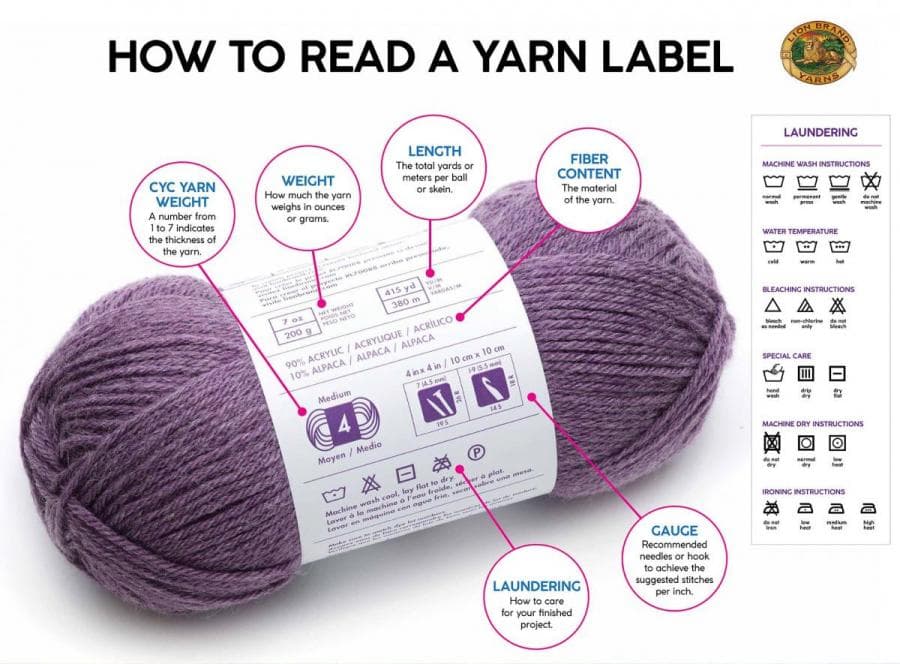
If you're newer to written patterns, the abbreviation list is worth scanning before you cast on. Hanjancrochet's pattern uses standard US terms throughout, and the core abbreviations that appear in the row instructions are:
- blo: back loop only
- ch(s): chain(s)
- ch-sp(s): chain space(s)
- flo: front loop only
- rep: repeat
- RS / WS: right side / wrong side
- ss / sl st: slip stitch
- st(s): stitch(es)
- Yoh: yarn over hook
- hdc: half double crochet (equivalent to the UK half treble crochet)
Working through the back loop only is the technique that creates that raised, textured surface you see in photos of these blankets. When you insert your hook into only the back loop of a stitch rather than both loops, the front loop stays free and pops forward, building up the dimensional quality of the fabric row by row.
A Pattern Ecosystem Worth Exploring
The Winterberry name has resonance in the crochet community beyond Moore's March 2026 release. Designer Divine Debris published a Winterberry Throw pattern that drew an enthusiastic response from readers, with commenter debbie goodwin writing as early as August 2020: "this is a lovely blanket and I want to do now but have to wait till hook empty but thanks for a wonderful pattern, I think I might go for mustard and raspberry colours xx." Fellow reader Denise added in October 2021: "Really like the look of this blanket. I have a box of hew red yarn waiting for the right pattern. This might be it."
Divine Debris's version uses a square-joining construction approach rather than a one-piece row-based build. The join round works single crochet across 25 stitches per square, connecting adjacent squares at their chain-1 spaces as it travels around all four sides of the assembled blanket, with chain-2 turns at each corner. It's a different construction logic from the one-piece method, but the aesthetic result, a cozy, textured throw with strong visual appeal, clearly lands with the same audience.
Divine Debris describes her Winterberry Throw plainly: "I hope you like this new blanket design! It's very easy, I swear. And I love how it turned out." She invites anyone who makes the project to tag it with the hashtag #DivineDebris on Instagram, where she shares finished projects in her stories.
Getting Started
For Moore's Winterberry Blanket specifically, the full free pattern is available through MJ's Off the Hook Designs. The accompanying step-by-step video tutorial walks you through the construction in real time, which is particularly useful for visualizing the Offset Winterberry Stitch before you commit to a full-size blanket. Starting with the video rather than jumping straight into the written pattern is a reasonable approach for beginners, since seeing the stitch worked once tends to clarify written instructions that might otherwise feel abstract.
Grab your size 6 super-bulky yarn, a hook to match, and a couple of hours. The construction is designed to move fast, and the texture builds visibly with every row, which keeps the project engaging rather than feeling like an endurance test. For a first large-scale project or a quick gift-deadline crunch, that kind of momentum matters.
This article was produced by Prism’s automated news system from verified source data, official records, and press releases, then run through automated quality and moderation checks before publishing. The system is built and supervised by the people who set the standards it runs under. Read our full AI policy.
Did this article answer your question?