Monstera crochet patterns bring tropical leaves to modern décor
Monstera crochet turns one of the most recognizable houseplant shapes into wall art, coasters, and soft décor without the plant care.
Monstera crochet works because the leaf does half the styling for you
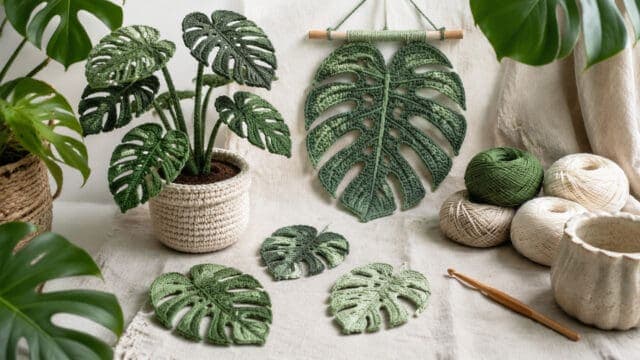
A monstera leaf is already a design object before you put a hook to it. The split shape, the big cutouts, and the strong silhouette give crochet patterns instant graphic punch, which is why these makes land so well as décor instead of feeling like costume plants.
That built-in structure is also what makes the motif so usable across skill levels. Some patterns chase realism with split leaves and wired stems, while others strip the plant down into wall art, appliqués, coasters, or blanket motifs. Either way, the shape reads clearly, even when you keep the palette simple and let texture do the work.
The best overall make: a no-sew monstera plant with pot
If you want the most guided project in the bunch, the no-sew monstera plant with pot is the one to start with. The listing includes English instructions, lots of pictures, and seven videos, which is exactly the kind of hand-holding that makes a plant build feel less intimidating and more like a weekend win.
The appeal here is not just convenience. A no-sew construction keeps the finish cleaner, and the potted presentation gives you the full houseplant effect without asking you to care for water, light, or humidity. That makes it a strong pick for anyone who wants the look of a real monstera on a shelf, desk, or side table without the maintenance.
The best gift idea: a monstera in a vase tapestry wall hanging
For a present that feels more like décor than a craft project, the monstera in a vase tapestry wall hanging is the sharpest choice. It turns the plant idea into a graphic wall piece, which works especially well if the recipient already leans toward modern interiors or likes botanical art that does not look fussy.
The charted and row-by-row instruction matters here because it makes the image repeatable and clean. That kind of structure is what keeps the finished piece from looking busy, and it is exactly why tapestry formats work so well for monsteras: the bold leaf shape gets room to breathe, and the result feels intentional on the wall.
The most versatile pattern: a mini monstera potted plant
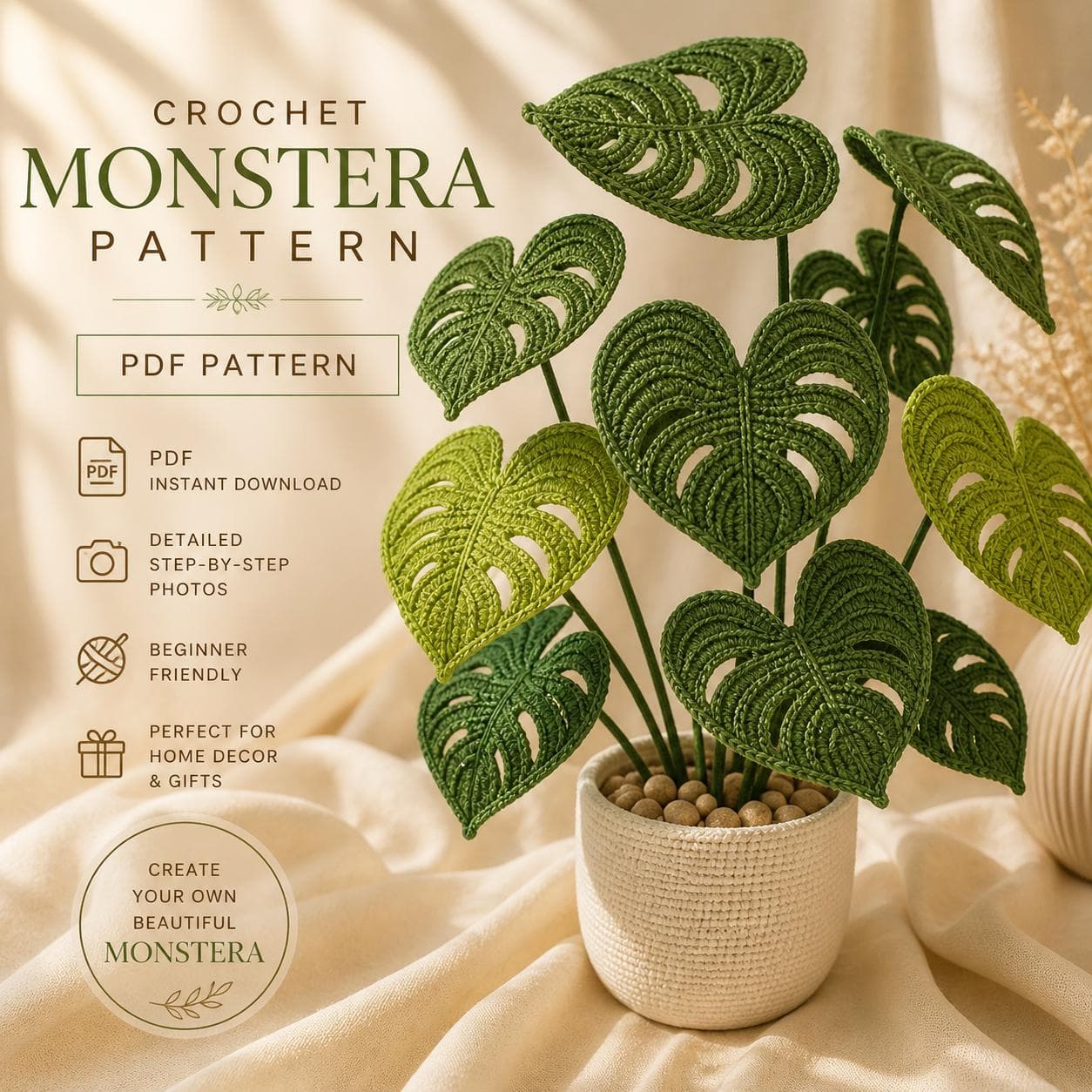
If you want a version that can sit just about anywhere, the mini monstera potted plant is the most flexible option in the roundup. It is compact enough for a desk, a nightstand, or a tight shelf, but the leaf shape still reads instantly as monstera, which is the whole point.
That scale makes it useful in rooms where a full-size plant motif would feel too dominant. It gives you the tropical look in a small footprint, and because the form is still recognizable, it can act as an accent piece rather than taking over the whole space.
The motif spreads easily across home décor
What makes this roundup practical is the range of formats. You are not boxed into one kind of project, because monstera shows up as leaf appliqués, wall hangings, potted plants, coasters, and blanket motifs. That means you can build a coordinated tropical look without repeating the exact same object.
The best part is that the leaf shape stays readable even as the use changes. A coaster can be quick and graphic, a blanket motif can become a repeating texture, and a wall hanging can lean decorative and bold. The motif does the heavy lifting, so each format feels connected even when the construction changes.
Realism versus stylization is the real design choice
Monstera crochet patterns split into two camps, and both work for different reasons. The realistic versions lean into split leaves and wired stems, which gives you more control over posture and shape. The simplified versions focus on clean leaf outlines and strong stitch structure, which often suits modern décor better.
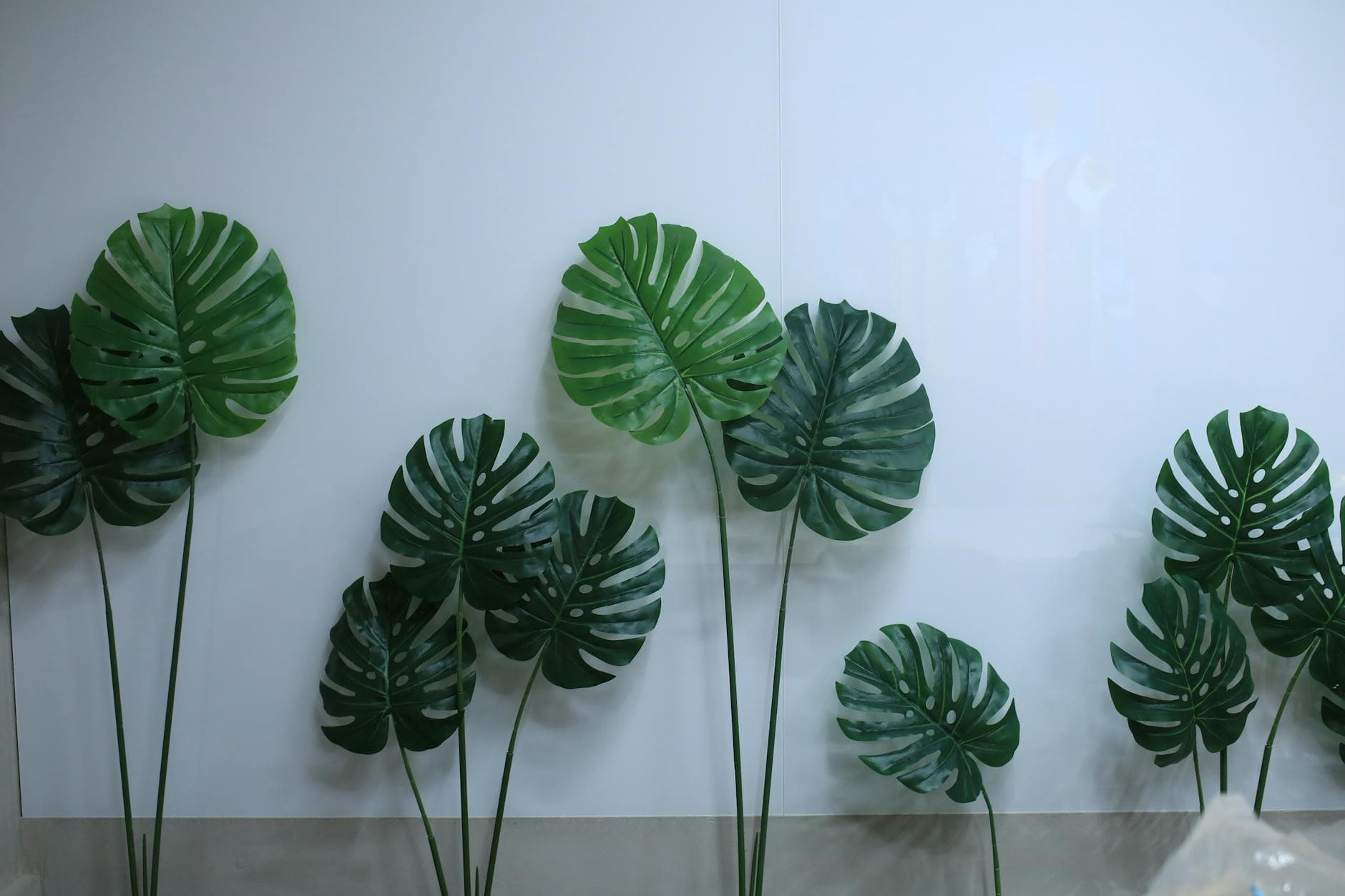
That is where texture and color choice matter most. A monstera in a restrained green palette looks sophisticated when the stitch definition is crisp, while a more stylized version can stay modern by pairing the leaf with neutral backgrounds, natural fibers, or a simple pot. The trick is to let the leaf silhouette stay the star instead of crowding it with too many extras.
Why this motif keeps showing up in shops and searches
There is a real market signal behind the trend, and it shows up in Etsy search clustering around monstera leaf wall hanging crochet patterns. Multiple dedicated listings surface there, including wall hangings and leaf patterns, which tells you the motif is not a one-off novelty. It is a repeat buyer shape, the kind people keep returning to because they know exactly what they will get.
Some of those listings also lean beginner-friendly and are described for living room, bedroom, nursery, or workspace décor. That range is important, because it shows how flexible the motif is once it leaves the plant shelf and enters the room itself. Monstera crochet is not just for people who love houseplants; it is for anyone who wants a bold, recognizable accent that can read tropical, modern, and handmade all at once.
The plant behind the pattern is as strong as the pattern itself
The reason monstera translates so well is that the real plant already has a striking form. Monstera deliciosa is a climbing evergreen perennial vine native to Central America, including Mexico to Guatemala, and it is known for large perforated leaves and aerial roots. In its native habitat it can climb to about 70 feet, while indoor plants are commonly 6 to 8 feet tall.
That scale and silhouette make the leaf instantly memorable, which is exactly why it works in crochet. The genus Monstera is native from Mexico to Tropical America, so the tropical identity is broad, not niche, and the motif carries that recognition into home décor without needing much explanation.
Monstera crochet keeps winning because it solves a decorating problem with a shape people already understand. Whether you want a no-sew plant in a pot, a tapestry wall hanging, or a tiny desk version, the leaf brings the tropical look home and makes it feel clean, current, and easy to live with.
This article was produced by Prism’s automated news system from verified source data, official records, and press releases, then run through automated quality and moderation checks before publishing. The system is built and supervised by the people who set the standards it runs under. Read our full AI policy.
Did this article answer your question?