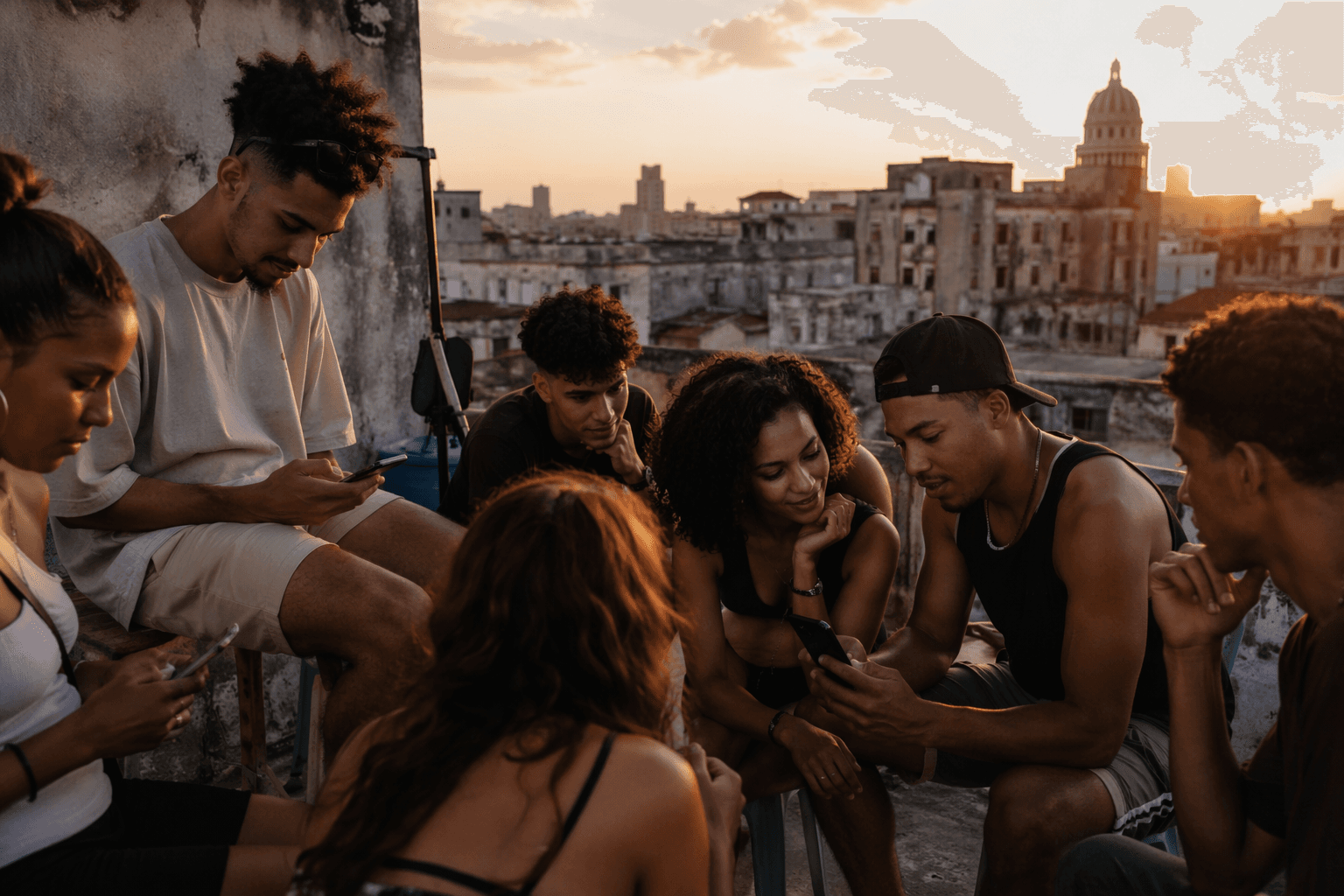
A Cuban travel diary explores memory, belonging, and unseen places
A Cuban travel diary turns missed roads into a map of belonging, showing how history, hardship, and travel limits shape what Cubans know of their own island.
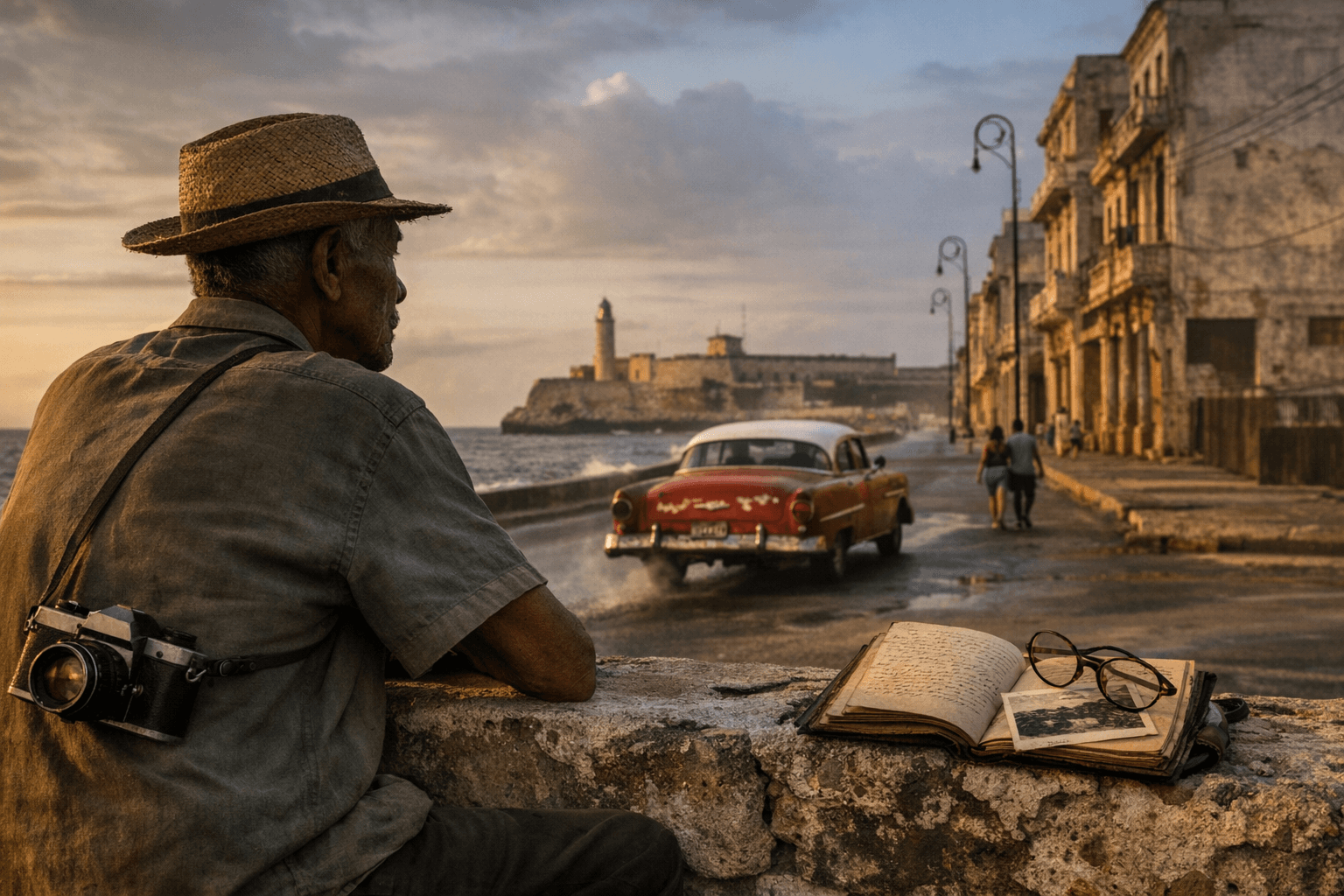
The Cuba I knew by name, not by sight
An Austrian poet once spoke about Cuba with the kind of wonder usually reserved for legend, and that was the moment the gap opened for me. I knew the names of Havana, Varadero, Camagüey, Pinar del Río, Viñales, Puerto Escondido, and the Bacunayagua bridge, but knowing a place in Cuba and standing inside it are not always the same thing. On an island where movement depends as much on circumstance as curiosity, a travel diary can become something more honest than a postcard. It can become an inventory of absences.
Cuba itself helps explain why those absences matter so much. It is the largest island in the Caribbean, governed as a single-party communist state since 1959, and divided into 15 provinces plus the special municipality of Isla de la Juventud. That political and administrative map shapes everyday life, but it also shapes the emotional geography of the country. Province by province, family by family, Cubans often inherit a narrow version of their own island, not because they do not care to know it, but because access to it has never been evenly distributed.
A country measured in fragments
What makes this diary feel so intimate is that it does not confuse travel with virtue. The author is not writing about being a bad traveler, only about what it means to grow up with limited routes, limited money, and limited freedom of choice. Some journeys are chosen, others are assigned, and the difference changes the memory attached to a road, a beach, or a town. In Cuba, that distinction can be as important as the destination itself.
That is why the familiar names land with so much force. Havana may dominate the national imagination, while Varadero is widely known abroad as Cuba’s main luxury beach-resort complex. Yet for many Cubans, even these headline places can remain partially imagined, visited once on a school trip, a family errand, or a rare escape, then stored as fragments rather than lived as a routine landscape. The country is famous everywhere else, but inside it, familiarity is often uneven, interrupted, and deeply personal.
What the famous places really hold
Varadero, Viñales, and Puerto Escondido do not function here as must-see stops. They work as evidence of how different Cuba can look depending on who gets to move through it. Varadero is the country’s international beach icon, but that does not mean it is equally available to everyone who lives on the island. Viñales carries another kind of prestige, tied not to resort life but to land, farming, and a landscape so distinctive that UNESCO inscribed Viñales Valley as a World Heritage Site in 1999.
UNESCO describes Viñales Valley as an outstanding karst landscape, with dome-like limestone outcrops, or mogotes, rising as high as 300 meters. That detail matters because it explains why the valley has such power in the Cuban imagination. It is not just pretty terrain. It is a shaped, storied place where geology, tobacco cultivation, and national identity overlap. Pinar del Río, which was founded in 1775, became economically important in the 19th century through the tobacco industry of Vuelta Abajo, so the western end of the island carries both agricultural memory and scenic weight.
The places most Cubans know without fully knowing
The diary’s quietest revelation is that a country can be familiar in language and still distant in lived experience. Camagüey, Pinar del Río, and Havana are all part of the shared national map, but they do not arrive equally in a Cuban life. School programs, family ties, work assignments, and money can decide which names become real and which remain distant coordinates. That is how national identity becomes uneven: not through indifference, but through access.
Even the Bacunayagua bridge carries that feeling. It is one of those places that exists almost as a marker of crossing, a name everyone has heard, but not everyone has stood upon. Puerto Escondido carries its own quiet charge, a place name that suggests concealment and distance. In the diary, these sites matter because they are not treated as trophies. They are treated as examples of how the island is split into known and unknown territories, even for the people who were born there.
Tourism, survival, and the shrinking of movement
The outside world often imagines Cuba through tourism, but the diary refuses that narrow lens. The country’s relationship to travel is shaped by a larger economic pressure, and that pressure changes how people move, rest, and remember. The U.S. Department of State says U.S. law and regulation prohibit travel to, from, or within Cuba for tourist activities for people subject to U.S. jurisdiction. That restriction matters beyond the legal fine print, because it reinforces how politically charged the island remains for outsiders while many Cubans are still dealing with the practical limits of daily life at home.
The tourism sector itself has not escaped strain. Cuba received 2,203,117 international visitors in 2024, according to ONEI, down from the previous year. That number is not just an economic signal. It also helps explain why the postcard version of Cuba keeps colliding with a more brittle reality. Resorts, heritage sites, and famous beaches may still draw the world’s attention, but the rhythms of survival, scarcity, and interrupted movement shape how Cubans encounter the same places.
What the missing landscapes say about belonging
The emotional core of the diary is not nostalgia. It is recognition. When you grow up knowing only part of your own island, the places you have not seen become part of your identity too. Havana, Varadero, Camagüey, Pinar del Río, Viñales, Puerto Escondido, and the Bacunayagua bridge are not just destinations here. They are proof that Cuba cannot be reduced to a single memory, a single province, or a single tourist image.
That is the larger value of this kind of travel writing. It reminds you that belonging is not measured by how much ground you can list, but by how honestly you can admit what remains out of reach. On an island as large, layered, and politically constrained as Cuba, the unseen places are not empty spaces. They are where the story of the country keeps revealing how unevenly it has been lived.
This article was produced by Prism’s automated news system from verified source data, official records, and press releases, then run through automated quality and moderation checks before publishing. The system is built and supervised by the people who set the standards it runs under. Read our full AI policy.
Did this article answer your question?