Amnesty denounces systematic repression, prison abuses, and blackouts in Cuba
Amnesty tied Cuba’s blackouts, prison abuse, and arbitrary detentions into one pattern of repression, citing Ferrer, Navarro, and harassment of families.
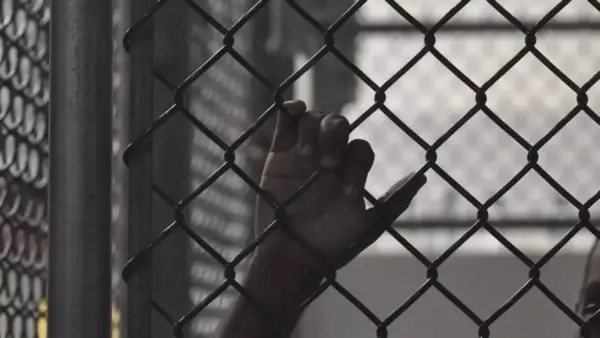
Cuba’s blackouts are doing more than darkening homes. Amnesty International said the outages have affected the right to health and education, while food and medicine have become harder to get, arbitrary detentions have continued, and prisons have remained sites of abuse.
That is the picture Amnesty drew in its latest Cuba reporting: not one isolated crackdown, but a system that reaches from the street to the cellblock. The organization said systematic repression of dissent and peaceful assembly continued, and it linked that pressure to the daily realities of shortages, surveillance, and fear. In its account, the prison system is not separate from the political climate. It is part of the same machinery.
The latest flare-up came on April 15, 2026, when Amnesty said Cuban authorities had again handled prisoner releases in a way marked by opacity and discretion. The group pointed to a pardon for 2,010 people announced on April 2, 2026, and to an earlier announcement about the imminent release of 51 detainees. Amnesty said those measures did not guarantee full release or genuine respect for human rights, and it framed them as part of a broader pattern of political repression.
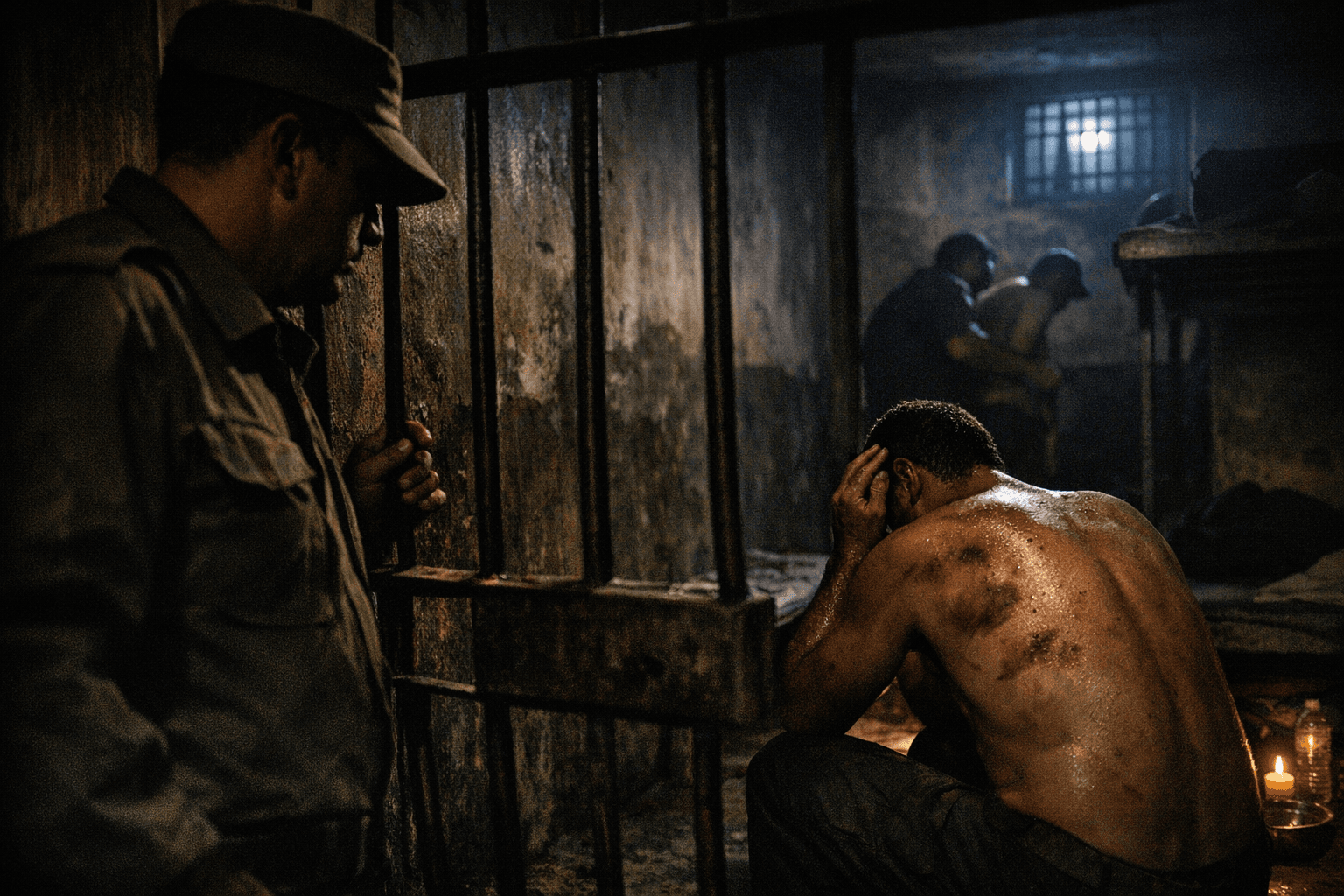
Two of the clearest examples are José Daniel Ferrer and Félix Navarro. Amnesty said the opposition leaders and prisoners of conscience were re-imprisoned on April 29, 2025, under unclear and arbitrary conditions, after earlier conditional releases in January 2025 that followed negotiations involving the Vatican and the U.S. government. Their cases show how quickly a release can turn back into detention when the state keeps the terms vague and the pressure constant.
Amnesty’s 2025 research on freedom of expression in Cuba said repression against women activists took especially harsh forms, including forced nudity, invasive body searches, and gendered, age-based, and homophobic stigmatization. The group also said family members of prisoners of conscience and dissidents faced police cordons around homes, permanent surveillance, unlawful restrictions on movement, and threats. That kind of pressure extends punishment beyond the person detained and into the whole household.
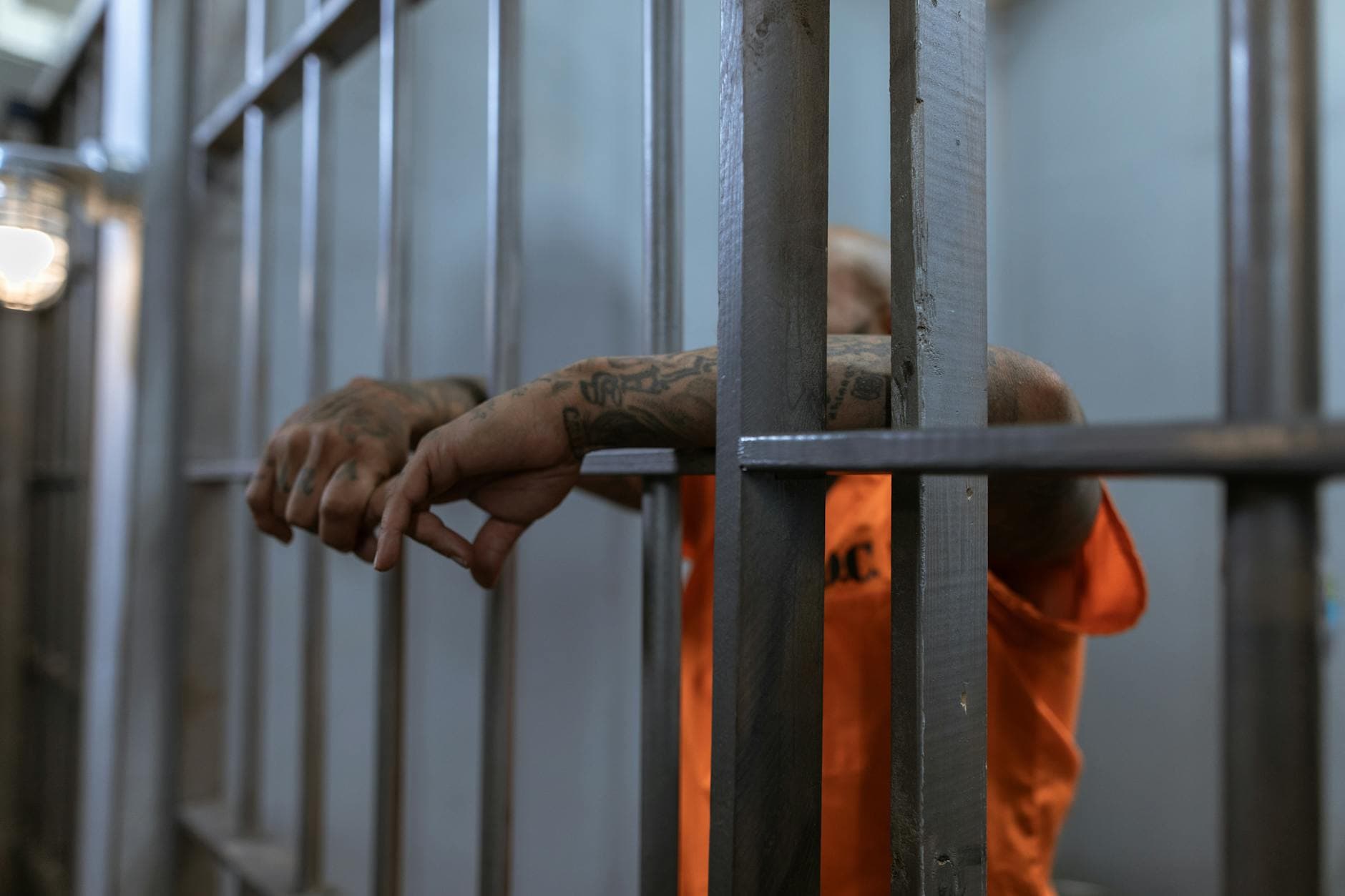
The organization’s 2024 Cuba summary pointed to the same direction of travel: reduced social services, difficult access to food and medicine, tighter limits on expression, and continued arrests of activists, journalists, human rights defenders, and protesters. Put together, the record Amnesty laid out is not of a passing crisis but of a repeatable system, where blackouts, prison conditions, and political intimidation reinforce one another and make dissent costly at every level.
This article was produced by Prism’s automated news system from verified source data, official records, and press releases, then run through automated quality and moderation checks before publishing. The system is built and supervised by the people who set the standards it runs under. Read our full AI policy.
Did this article answer your question?