Imprisoned Cuban filmmaker says security demands confession and repentance
Ernesto Ricardo Medina says State Security wants him to confess, admit guilt and repudiate El4tico. His mother turned that prison letter into a public refusal.
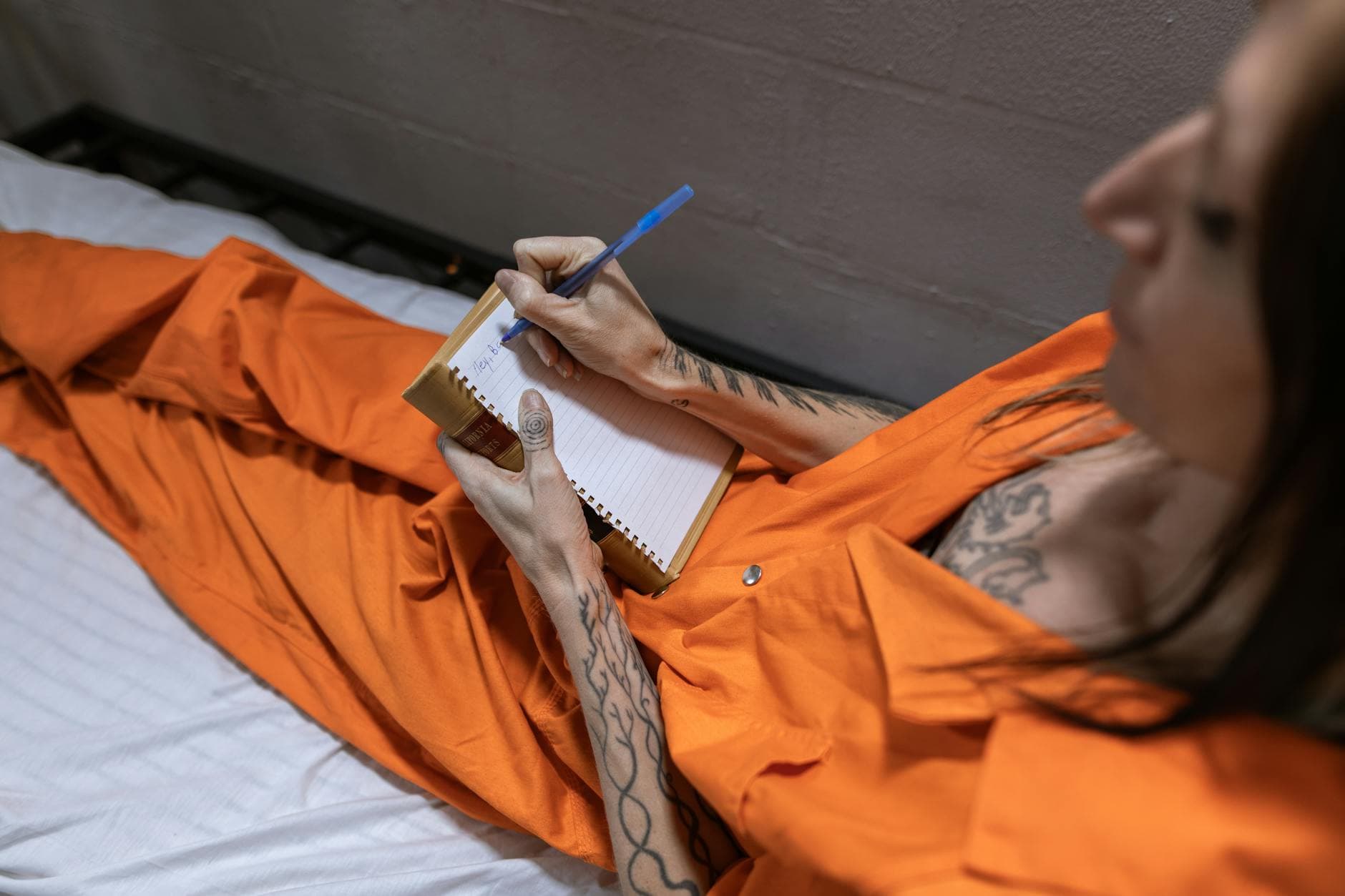
State Security is not just asking Ernesto Ricardo Medina to serve time. In a handwritten letter from prison, the creator of the independent audiovisual project El4tico says officers are pressing him to record a confession, admit guilt and repudiate his own work, a demand his mother has now turned into public resistance.
Medina and fellow El4tico member Kamil Zayas Pérez were detained in Holguín on February 6, 2026, during an operation that included the cordon around a home in the Piedra Blanca neighborhood. Cuban prosecutors later said they were pursuing charges of propaganda against the constitutional order and incitement to commit crimes, accusations that can carry long prison terms under Cuban law. Independent reporting said both men remained in pretrial detention.
The case moved through the courts on February 12, when a Holguín court admitted a habeas corpus hearing for the two detainees. Outside the courthouse, more than 50 people gathered, including relatives, friends and activists, a sign that the case had already become bigger than one young creator and one criminal file.
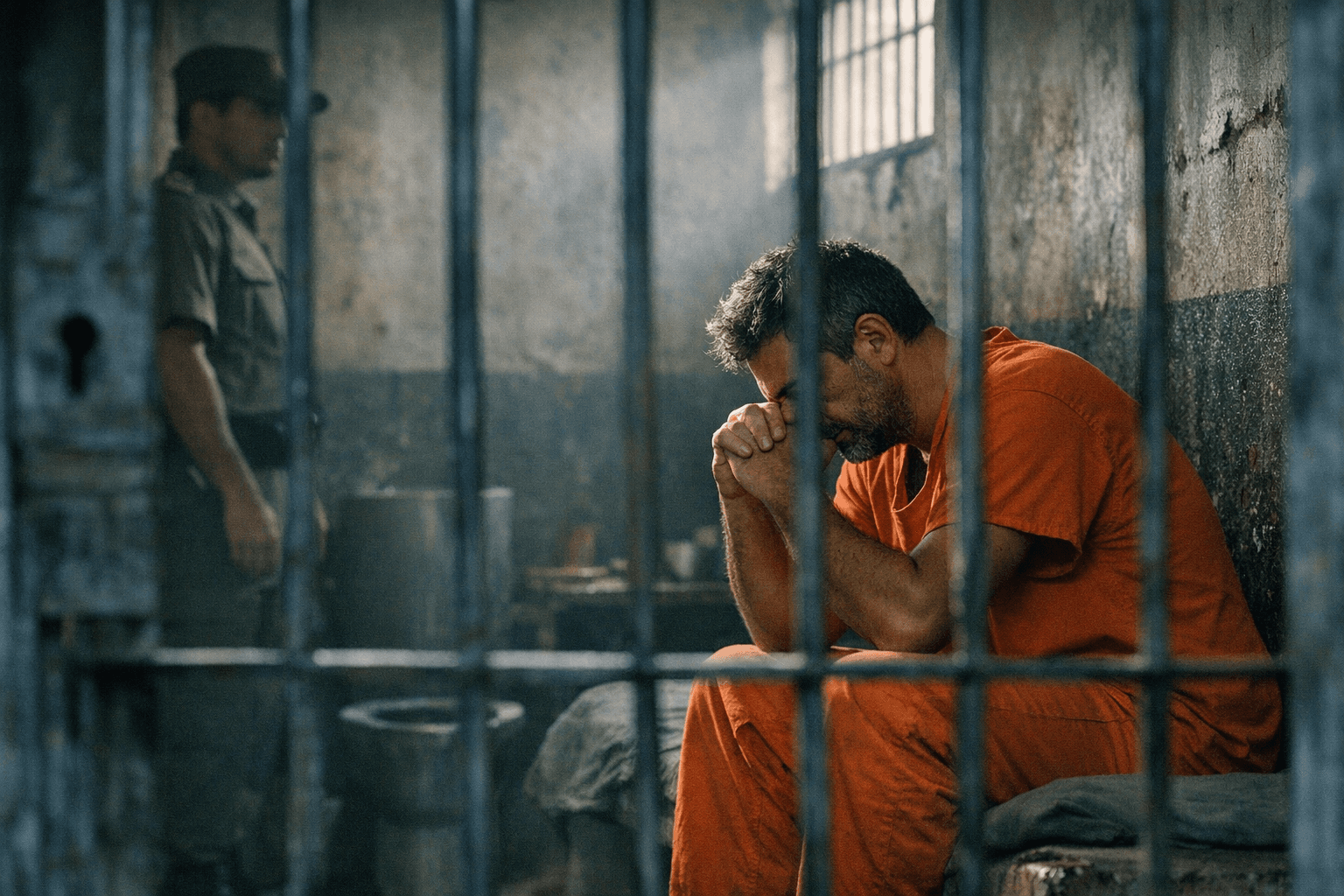
What Medina says he is being forced to do matters because the pressure reaches beyond punishment. A confession under coercion would not only keep him behind bars, it would also turn his own words into a weapon for the state. The aim is not simply to punish dissent, but to make the dissenter validate the state’s narrative and warn others away from speaking out.
His mother has answered with her own act of defiance. By publishing his prison letter, she pushed the case into public view and challenged Miguel Díaz-Canel’s government on its claim that Cuba has no political prisoners. If there are none, her message implies, what are men like Medina and Zayas Pérez being held for?
The pressure on Medina fits a wider pattern documented by human rights groups. In April 2026, Human Rights Watch said more than 700 political prisoners remained behind bars in Cuba, with hundreds more facing house arrest or other restrictions. Amnesty International has called for the unconditional release of prisoners of conscience and urged Cuba to stop using its criminal justice system to silence criticism and punish activism.
The U.S. Embassy in Cuba also called for the release of Medina and Zayas Pérez in February. For Medina, though, the central struggle is immediate and personal: to refuse a scripted repentance and keep his voice from being converted into propaganda.
This article was produced by Prism’s automated news system from verified source data, official records, and press releases, then run through automated quality and moderation checks before publishing. The system is built and supervised by the people who set the standards it runs under. Read our full AI policy.
Did this article answer your question?