Vietnamese aid helps Cuba test lobster export revival in Villa Clara
Eight hundred sixteen kilos of lobster is tiny for Cuba, but zero mortality in Villa Clara has turned a Vietnam-backed pilot into a test of export revival.
A tiny shipment with big political weight
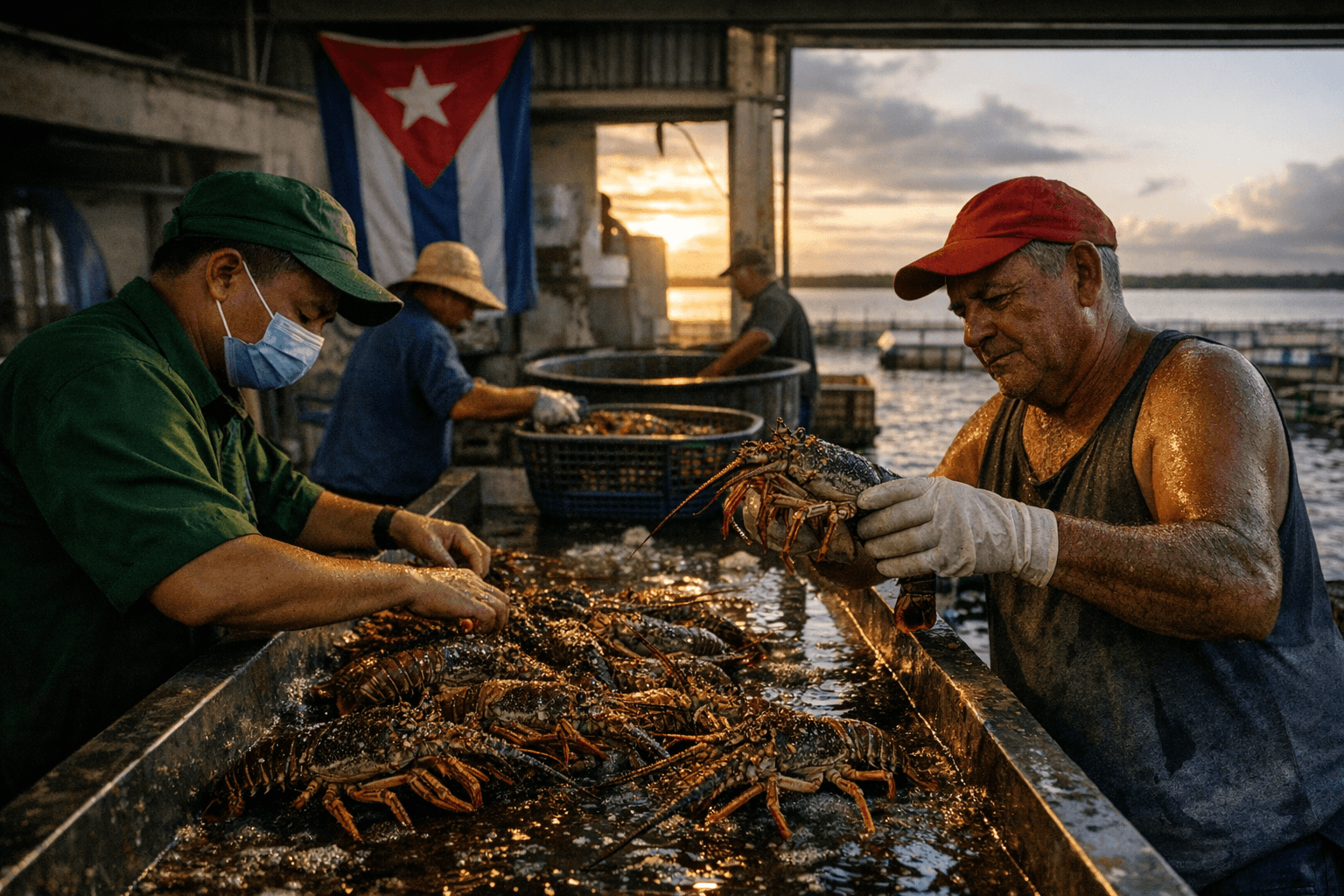
Eight hundred sixteen kilograms of lobster is not a turnaround for Cuba. It is, however, enough to make officials in Villa Clara talk about scaling up, because the pilot in Quemado de Güines has kept every lobster alive and moved the average sale weight to 573 grams.
That is the tension running through the project: lobster is a prized export that brings in hard currency, yet it is also a luxury most Cubans rarely eat. In a country struggling with food shortages and thin foreign-exchange earnings, even a modest haul can be dressed up as proof that one corner of the export economy still has life left in it.
How the Villa Clara pilot works
The trial is centered at UEB Cahamar in Quemado de Güines, where the commercial lobster-cage project began in October 2024 under the name Apoyo a la Acuicultura de Cuba Fase 3: Cultivo Comercial de Langosta. Cuban state media said the site started with about 1,500 lobsters spread across six cages, or roughly 250 animals per cage, with Vietnamese technical assistance guiding the rearing process.
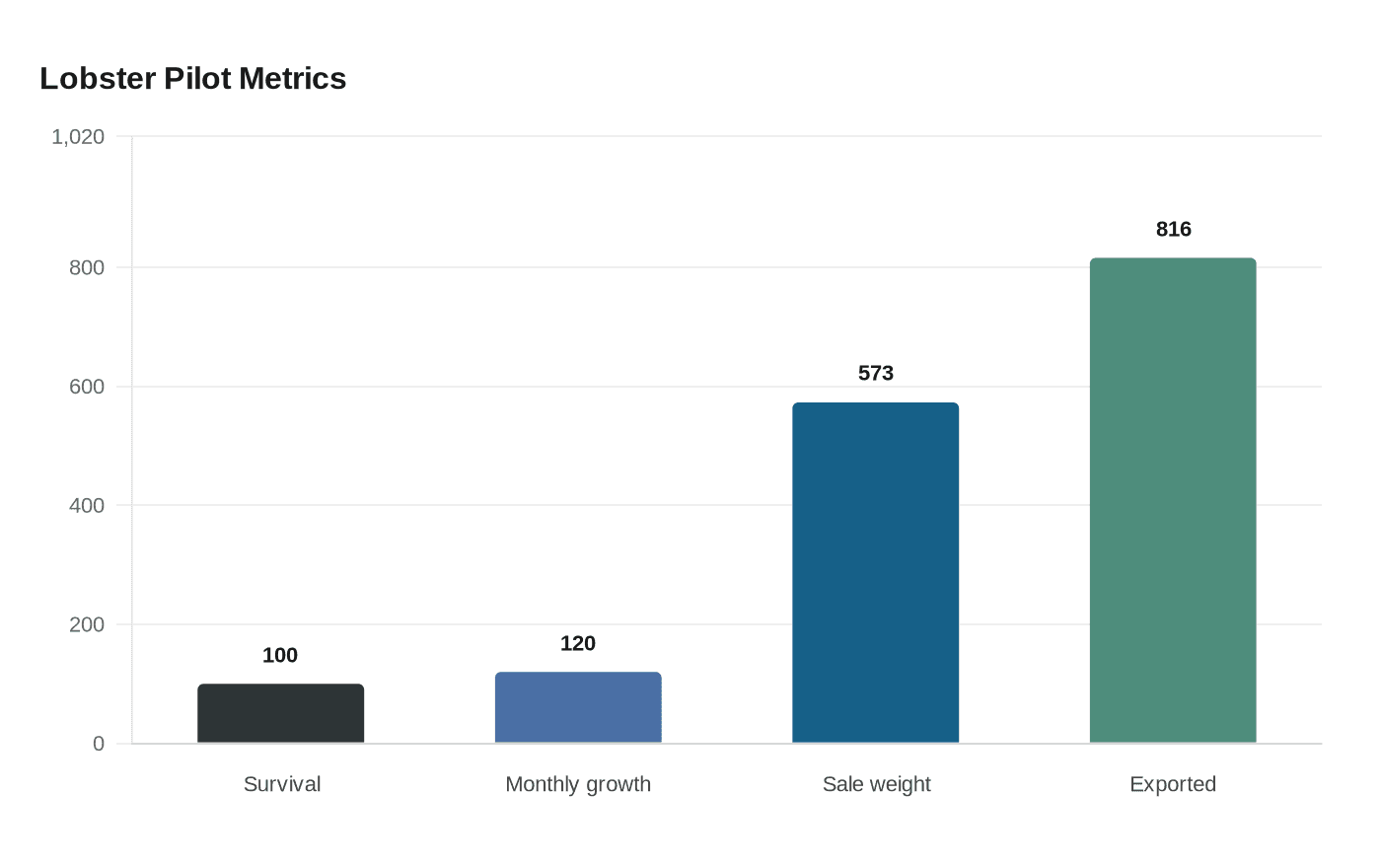
The numbers officials have highlighted are small but unusually clean. Earlier coverage said the project posted a 100% survival rate and an average monthly growth of about 120 grams, which is the kind of result that immediately gets attention in Cuba’s state media because it suggests the country can still produce something efficiently if the system is tightened enough.
By April 2026, the reporting had become even more confident. The farm was said to have exported 816 kilograms in three phases, while the lobsters were weighing more than half a kilo apiece and averaging 573 grams at sale. The experimental phase was expected to run through the end of 2025, and the team’s longer-term plan was to expand from six cages to about 20 floating cages.
Why 816 kilos matters, and why it does not change much yet
The appeal of the story is clear: zero mortality is a rare headline in Cuban agriculture, and lobster is an export with prestige. But the scale also tells the real story. Cuba’s lobster harvest in 2024 reached 136 tons, which means the Villa Clara trial is still only a sliver of national output, far under 1% of that total.
That gap is why the project reads less like a sector rescue and more like a test case. The state company involved is celebrating because the trial shows that better feeding, husbandry, and cage management can produce clean results, but even if the 20-cage plan works, the island would still be starting from a very small base.
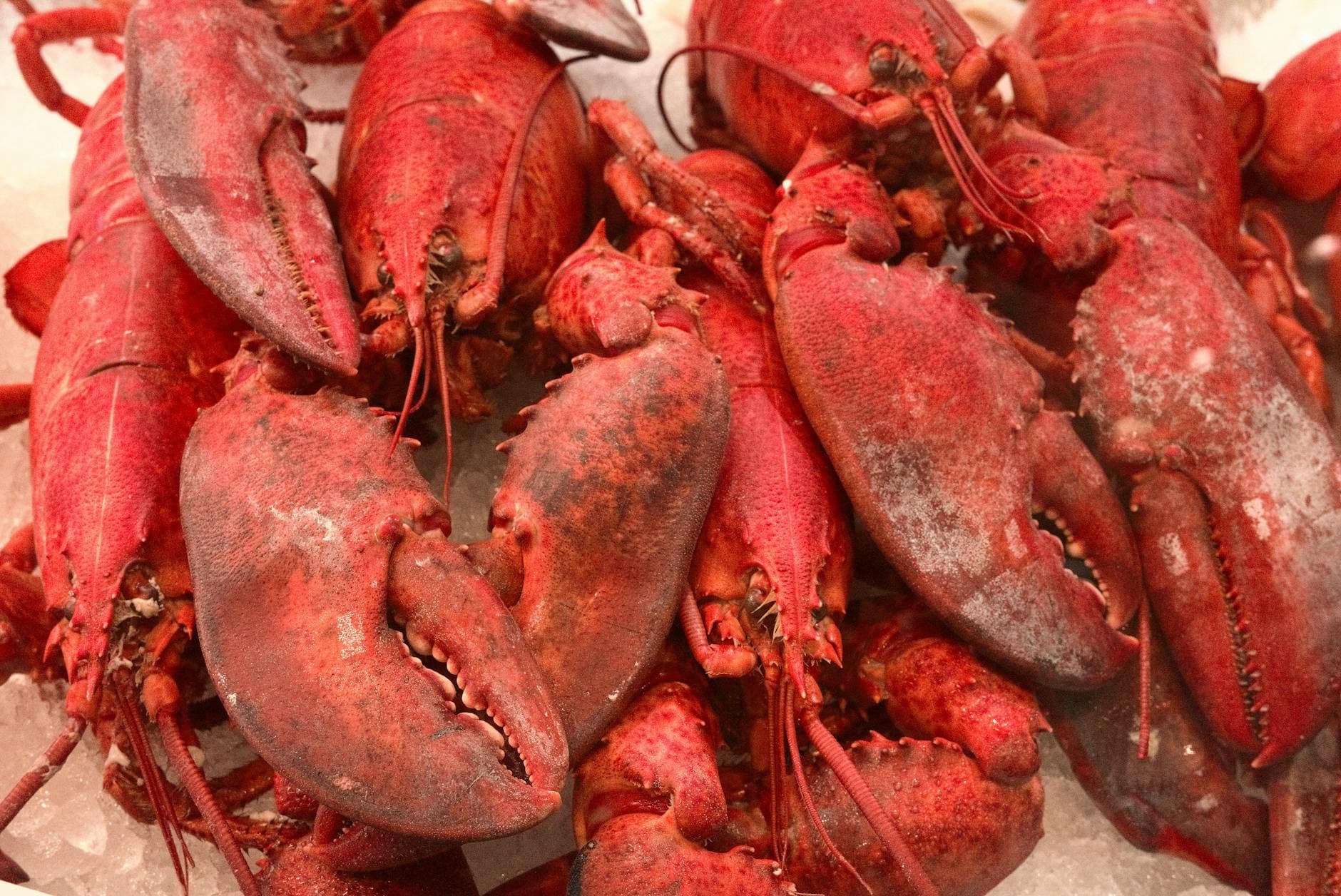
This is where the symbolic value of lobster becomes important. The export helps earn currency, but it does not solve the everyday shortages that shape life on the island. It will not fill markets, ease blackouts, or suddenly make food more available to ordinary Cubans. What it can do is offer a narrow, high-value win in a system desperate for any productive niche that still pays.
Vietnam’s role goes beyond a single seafood project
The lobster pilot is part of a broader Cuban turn toward Vietnamese know-how. State coverage has presented the collaboration as technical cooperation rather than simple political solidarity, and that distinction matters in a country where Havana is looking for partners who can help produce results, not just statements.
The same pattern showed up in agriculture more broadly. In 2025, Deutsche Welle reported that Cuba had leased farmland to a foreign company for the first time since the 1959 revolution, handing land to the Vietnamese firm Agri VMA near Los Palacios in Pinar del Río. That move was tied to familiar pressures: shortages of fertilizers, fuel, spare parts, and other inputs, plus drought, salinization, hurricanes, and rigid state quotas that discourage output.
Taken together, the rice and lobster experiments point to the same underlying problem. Cuba is searching abroad for the practical expertise and working methods that its own system has struggled to generate at scale. The Cuba Capacity Building Project at Columbia University has argued in that broader debate that Vietnam’s reform path produced results that Cuba’s state-enterprise model has not matched, and the lobster trial fits neatly into that comparison.
What to watch next in Villa Clara
The next question is not whether the pilot can produce a neat state-media success story. It already has. The real test is whether the project can move from a few hundred kilograms in three phases to something that matters in export terms, and whether the jump from six cages to 20 floating cages ever becomes operational reality.
If the numbers keep improving, the Villa Clara farm could become a useful model for Cuba’s coastal aquaculture. If they stall at the scale of a headline, the project will still have done one thing well: it will have shown how hungry the country is for any sign that output can still be coaxed upward, even in a system under severe strain.
This article was produced by Prism’s automated news system from verified source data, official records, and press releases, then run through automated quality and moderation checks before publishing. The system is built and supervised by the people who set the standards it runs under. Read our full AI policy.
Did this article answer your question?