Havana water crisis deepens as residents wait days for deliveries
Families in Luyano waited days for a water truck as Havana officials admitted a crisis affecting about 200,000 residents after a Cuenca Sur pipeline break.
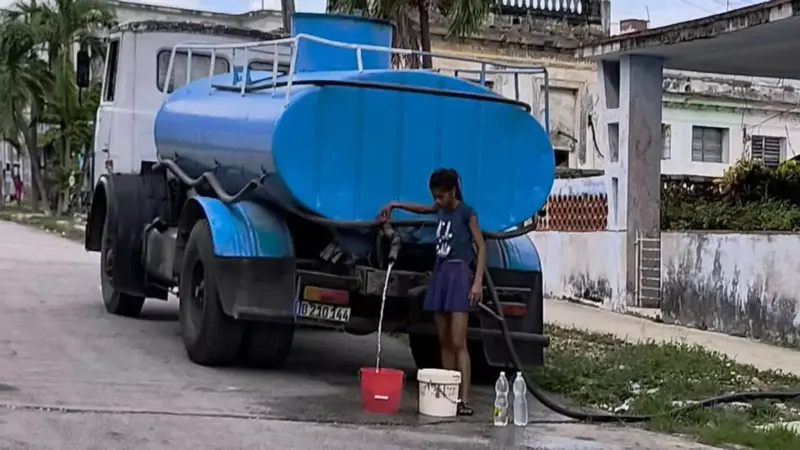
Families in Luyano went days without running water before a truck finally showed up, turning a basic chore into a fight for hygiene, cooking and daily care. In Havana’s Diez de Octubre municipality, residents said they had to go to government offices before the delivery was sent, a sign that water service was no longer arriving as routine but only after complaints were pushed up the chain.
Aguas de La Habana acknowledged the scale of the breakdown on April 17, calling the capital’s supply a “complex situation” and putting the number of affected residents at around 200,000, or about 11% of Havana’s population. That figure has not convinced many people on the ground, where long interruptions have made the shortage feel far wider than the official count suggests.
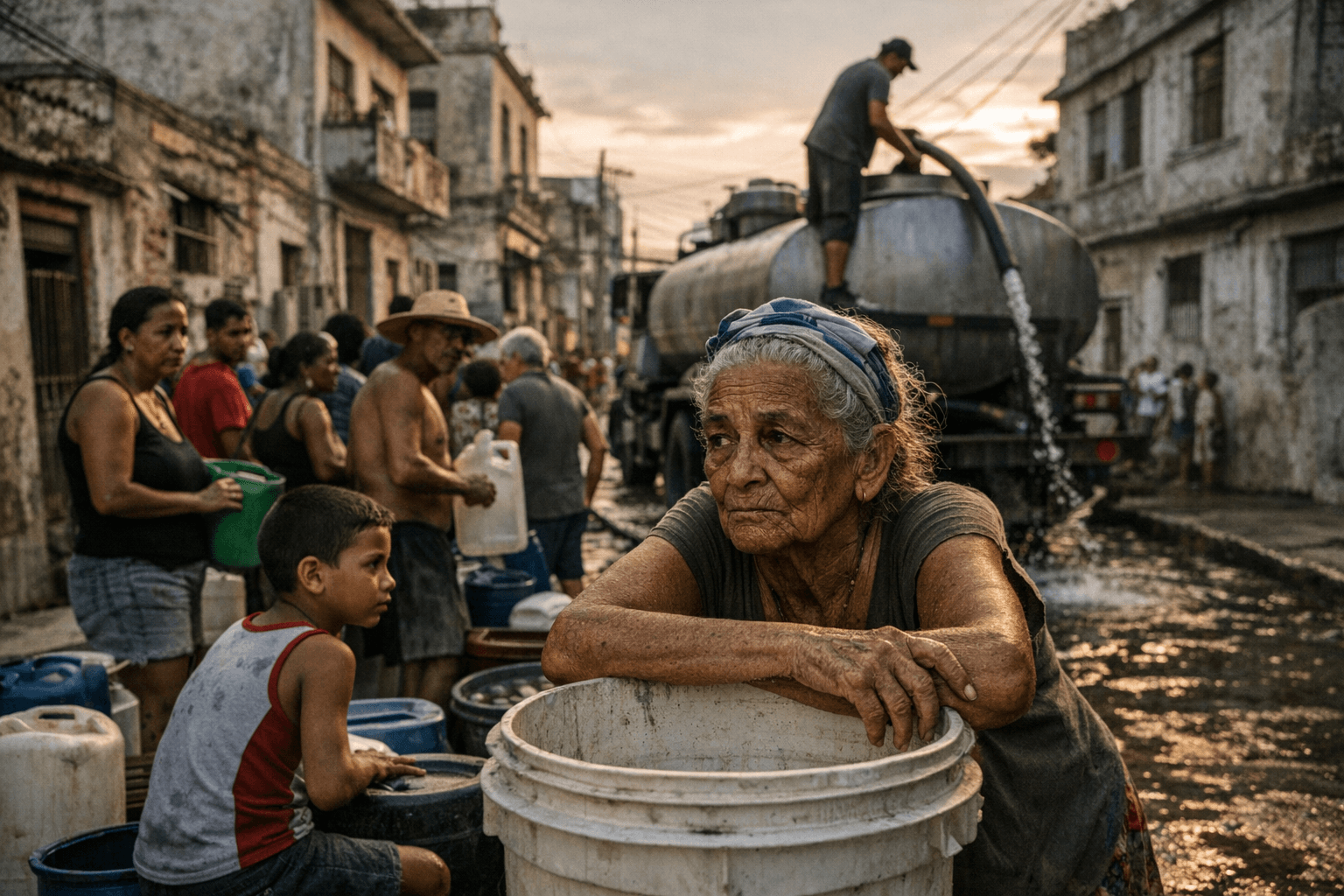
The crisis worsened again on April 18, when a break in a 48-inch Cuenca Sur pipeline interrupted pumping and hit Plaza de la Revolución, Cerro, Diez de Octubre and Boyeros. Service in Central Havana and Old Havana was reduced to regulated delivery. In neighborhoods such as Reina Street in Central Havana, residents said they had to choose between washing clothes and washing dishes because there was not enough water for both. Some food businesses also shut temporarily because they could not operate without a supply.
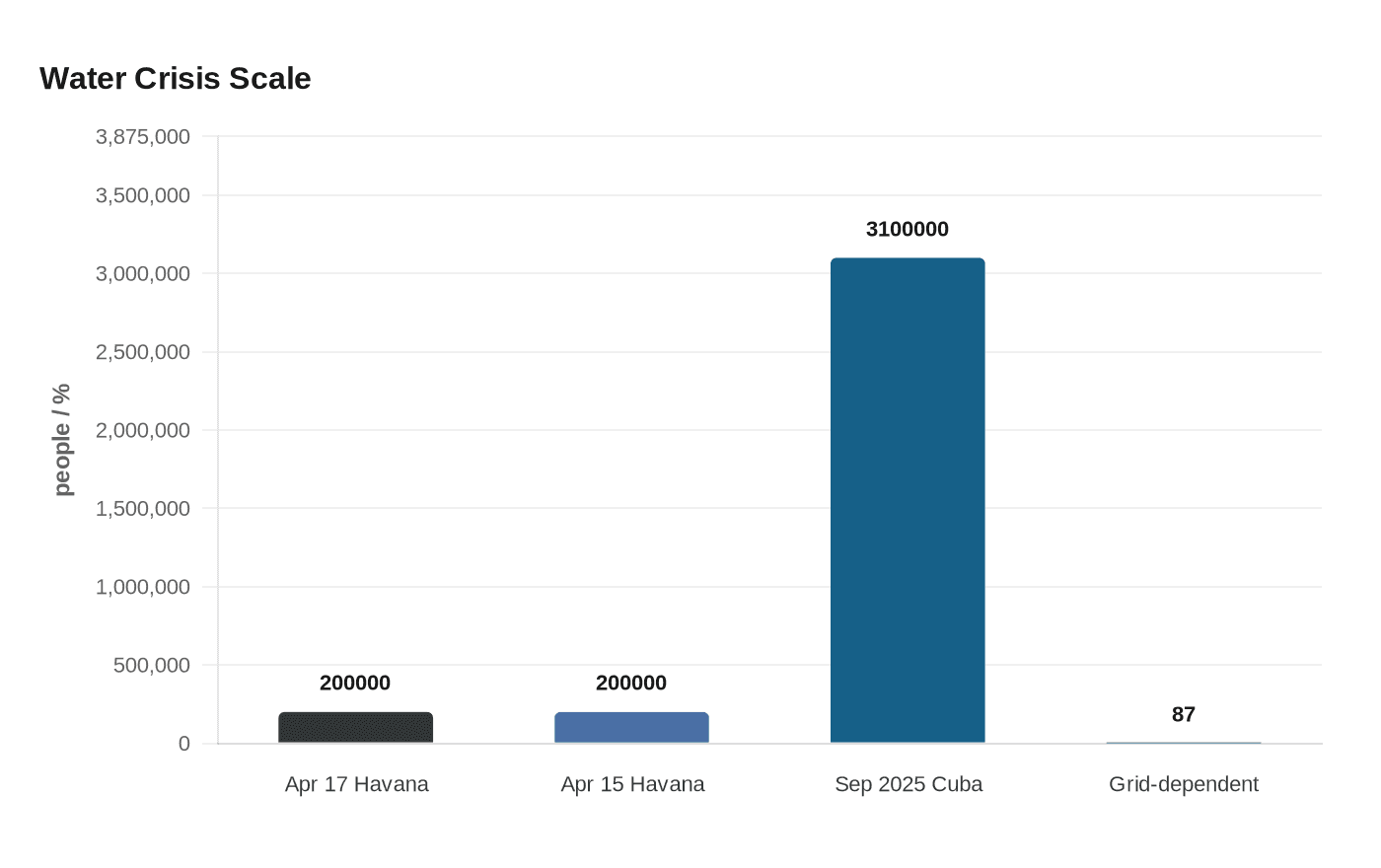
The shortage has become inseparable from Havana’s power cuts. Reports on April 15 said more than 200,000 Havana residents were without regular drinking water because blackouts were disrupting pumping systems. The Southern Basin supplies Diez de Octubre, Cerro, Plaza, Centro Habana and Habana Vieja, and the strain is magnified by the fact that 87% of Cuba’s water system depends on the electrical grid for pump operation. Only 135 of 480 essential pumping stations nationwide are on protected circuits, leaving service exposed whenever the power fails.
For many families, that means waiting for tanker trucks, storing whatever water can be collected and stretching it across cooking, bathing and cleaning. It also means living with a crisis that no longer reads as temporary. Reuters reported in March that residents across Havana were hauling buckets and lining up for truck deliveries as fuel shortages and grid instability left taps dry, with one resident saying the problem had existed since 2021. Nationally, the picture is just as severe: in September 2025, authorities said more than 3.1 million Cubans were facing complete or partial water shortages, and some communities in eastern Cuba had already gone about five months without water. Havana’s breakdown now sits inside that larger emergency, with each new outage exposing how fragile the system has become.
This article was produced by Prism’s automated news system from verified source data, official records, and press releases, then run through automated quality and moderation checks before publishing. The system is built and supervised by the people who set the standards it runs under. Read our full AI policy.
Did this article answer your question?