Barcelona aid ship sets sail for Cuba with hospital solar panels
Barcelona’s Astral will leave on May 10 with solar panels for Havana’s Juan Manuel Márquez Pediatric Hospital, backed by more than 20 groups and Gerardo Pisarello.
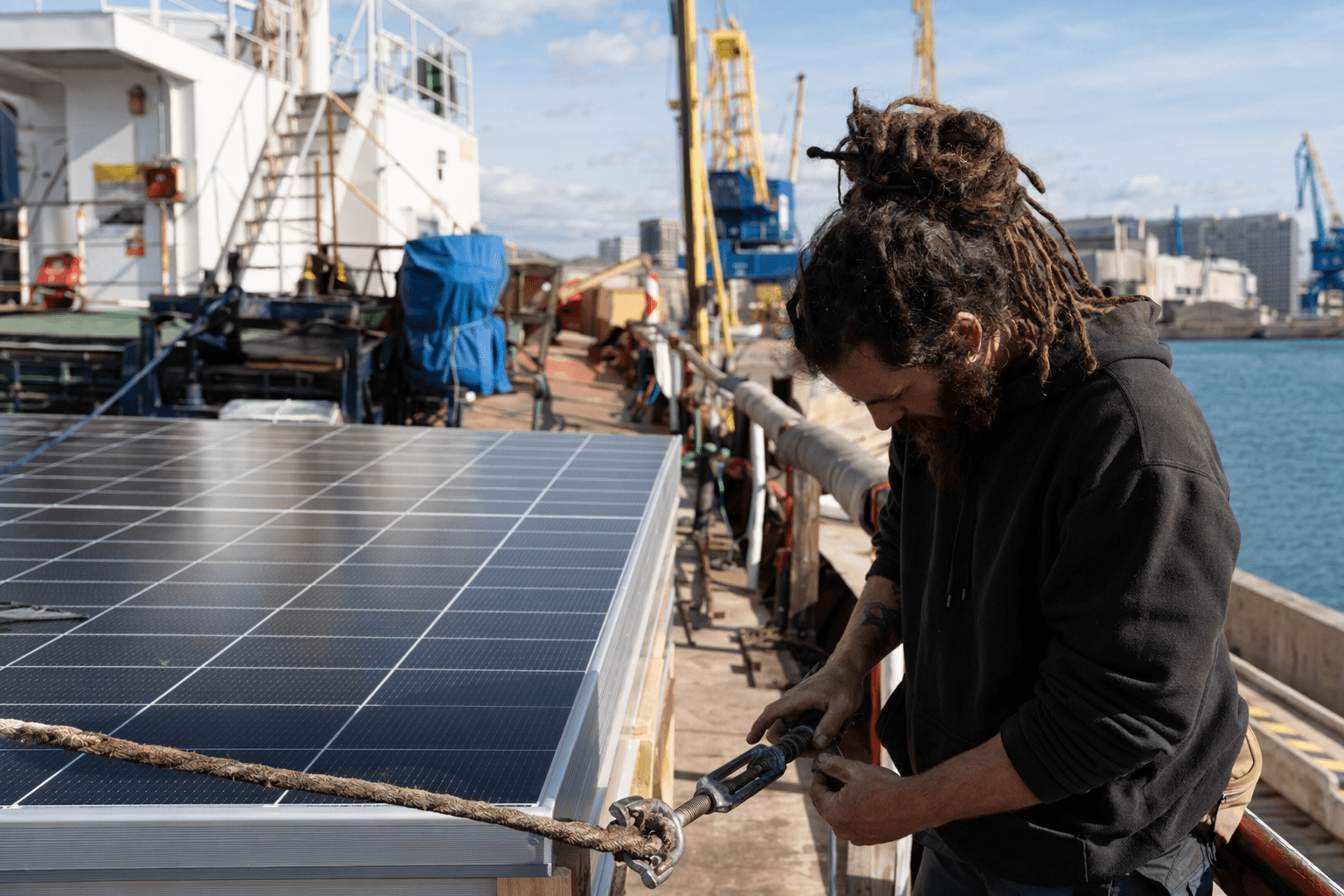
From Barcelona’s docks, a coalition of more than 20 social and political organizations is sending the Astral to Cuba on May 10, carrying photovoltaic panels for Havana’s Juan Manuel Márquez Pediatric Hospital as the island faces deeper blackouts and fuel shortages. Open Arms is organizing the Rumbo a Cuba mission, and Barcelona politician Gerardo Pisarello is expected to join.
The voyage is planned to make stops in Valencia, Málaga, Cádiz and Las Palmas de Gran Canaria before crossing to Cuba. That route gives the mission a second purpose beyond delivery: each port becomes a public handoff point for aid and solidarity before the cargo reaches Havana. The immediate target is clear, keeping a children’s hospital powered when Cuba’s electricity system cannot be relied on.
The timing reflects the pressure on daily life across the island. The World Health Organization has said fuel shortages in Cuba are disrupting hospital and infrastructure functionality. Recent reporting has described severe fuel shortages, massive blackouts and a collapsed transportation system, a combination that leaves hospitals, ambulances, refrigeration and public services exposed every time the grid fails. Solar panels for the Juan Manuel Márquez Pediatric Hospital are meant to give one of Havana’s most vulnerable institutions a measure of stability in the middle of that strain.
Organizers are framing the shipment as a solidarity action against the effects of the U.S. embargo and blockade, and that political message is part of the mission’s appeal in Barcelona. The effort also sits inside a wider humanitarian picture. UNICEF estimates that about 11 million people in Latin America and the Caribbean, including 4 million children and adolescents, will need humanitarian assistance in 2026, and UNICEF’s Cuba office has begun a 2026-2030 cooperation program in a country marked by a complex economic situation.
The hurdles do not end when the Astral reaches Cuban waters. Cuba’s fuel crisis and transport breakdowns could slow the movement of the panels once they land, especially if equipment has to be moved through a system already under severe stress. In March, the Nuestra América Convoy delivered more than 20 tons of humanitarian aid to Cuba, underscoring how activist shipments have become part of the response as formal channels struggle to keep pace.
This article was produced by Prism’s automated news system from verified source data, official records, and press releases, then run through automated quality and moderation checks before publishing. The system is built and supervised by the people who set the standards it runs under. Read our full AI policy.
Did this article answer your question?