Cuba tightens customs rules, raising scrutiny for travelers and parcels
A new Cuban customs law gave officers broader power to inspect and seize baggage, while medicine, food and toiletries still qualify for duty-free entry under set limits.
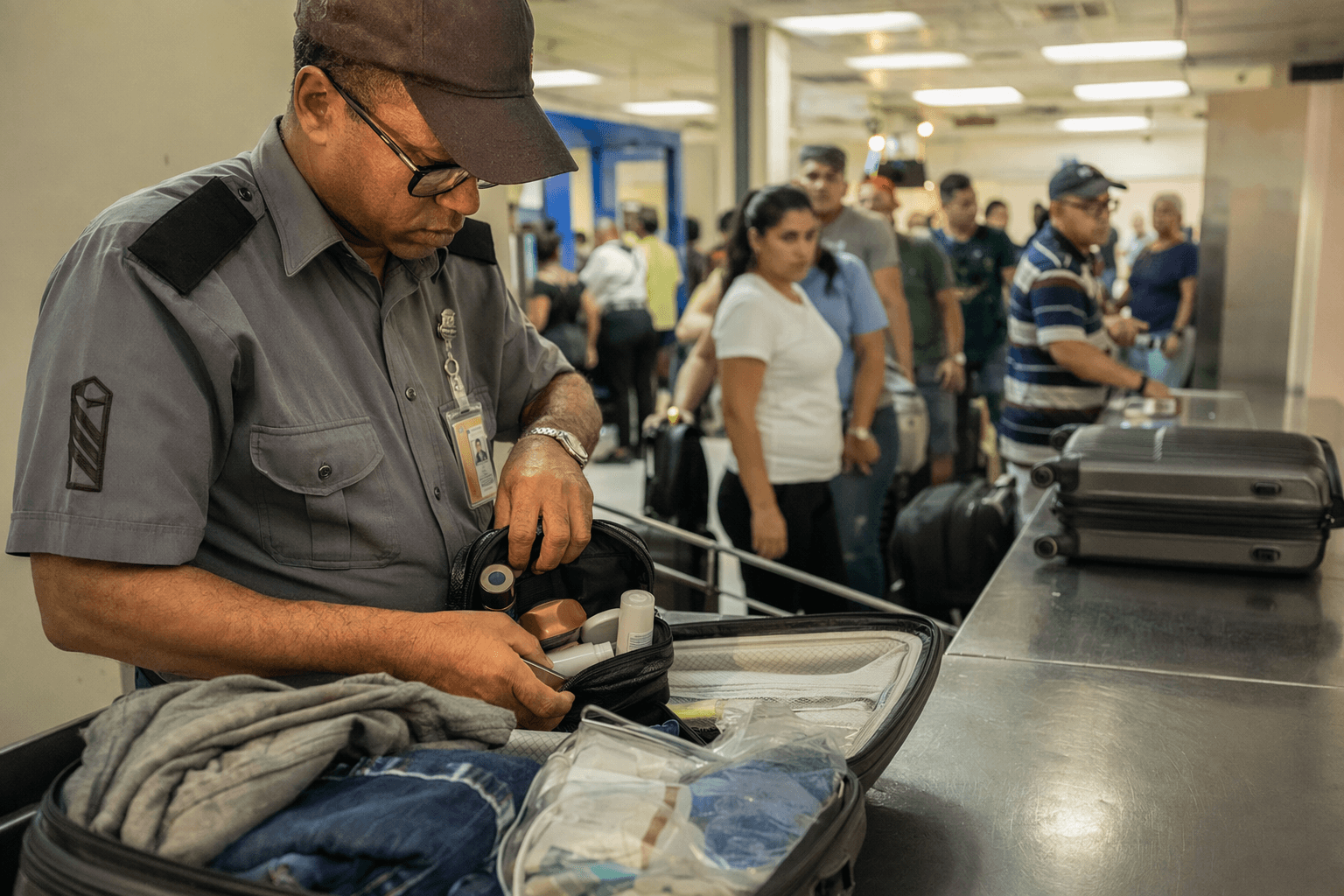
A carry-on with antibiotics from Miami, a parcel of food, or a suitcase packed with toiletries can still reach Cuba, but the room for error just got smaller. Decree-Law 108 took effect on April 21 and gives customs broader authority over travelers, luggage, parcels, vehicles, warehouses and other locations, with power to retain or seize goods, documents and transport means.
The law replaced Decree-Law 162 of 1996 and 41 earlier regulations after a 90-day transition period. The package also includes Decree 134 and nine complementary resolutions. Cuban customs says the overhaul is meant to make procedures more agile, transparent and professional, while also answering tougher border-security requirements and aligning with World Customs Organization standards.
What did not change is the basic rule that products not prohibited can enter the country if travelers meet the requirements and pay the duties set in the tariff. The customs FAQ still allows accompanied baggage to include food, hygiene items, medicines and medical devices duty-free under specified conditions. Unaccompanied baggage can include up to 50 kilograms or $500 of those same categories, and shipments can include up to 20 kilograms or $200 under the published limits.
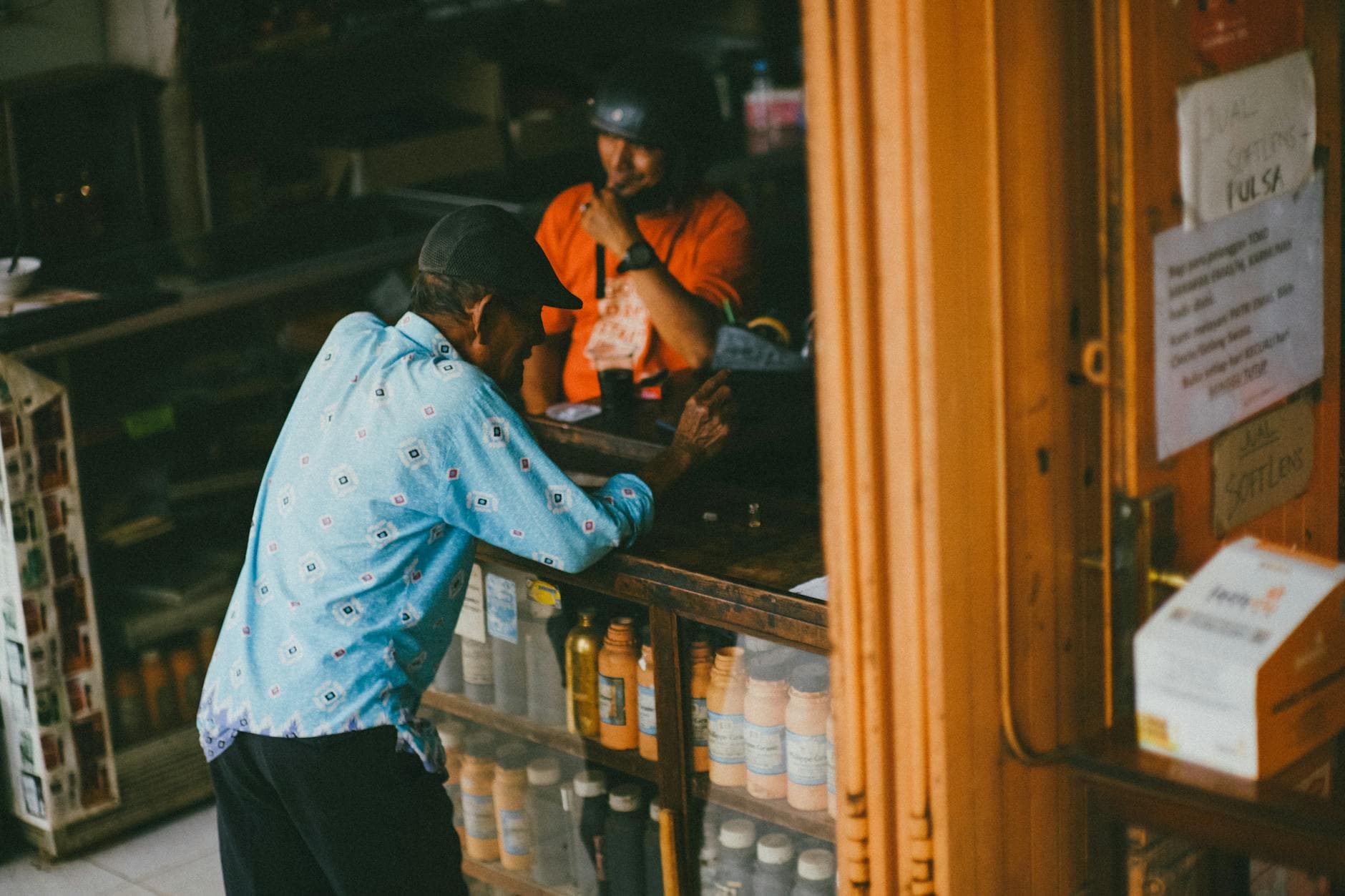
That distinction matters in Miami, where families still send boxes of medicine, toiletries and food to relatives on the island. It also matters at José Martí Airport, where a bag that mixes gifts, electronics and household items may now draw a closer look simply because the new framework gives officers wider discretion to inspect and hold cargo. A clean declaration and a clear match between the contents and the allowed category now matter more than ever.
For travelers, the practical lesson is simple: the law still leaves room for personal imports, but it also gives customs far more reach at the checkpoint. A packed suitcase can still make it through. The mistake most likely to cause trouble is assuming the old rules and the new scrutiny are the same thing.
This article was produced by Prism’s automated news system from verified source data, official records, and press releases, then run through automated quality and moderation checks before publishing. The system is built and supervised by the people who set the standards it runs under. Read our full AI policy.
Did this article answer your question?