Seaweed clogs Cuban power plant, deepening island’s electricity crisis
Seaweed forced Boca de Jaruco offline, cutting 135 MW from Cuba’s grid. The shutdown exposed how one clogged intake can ripple through an already fragile power system.
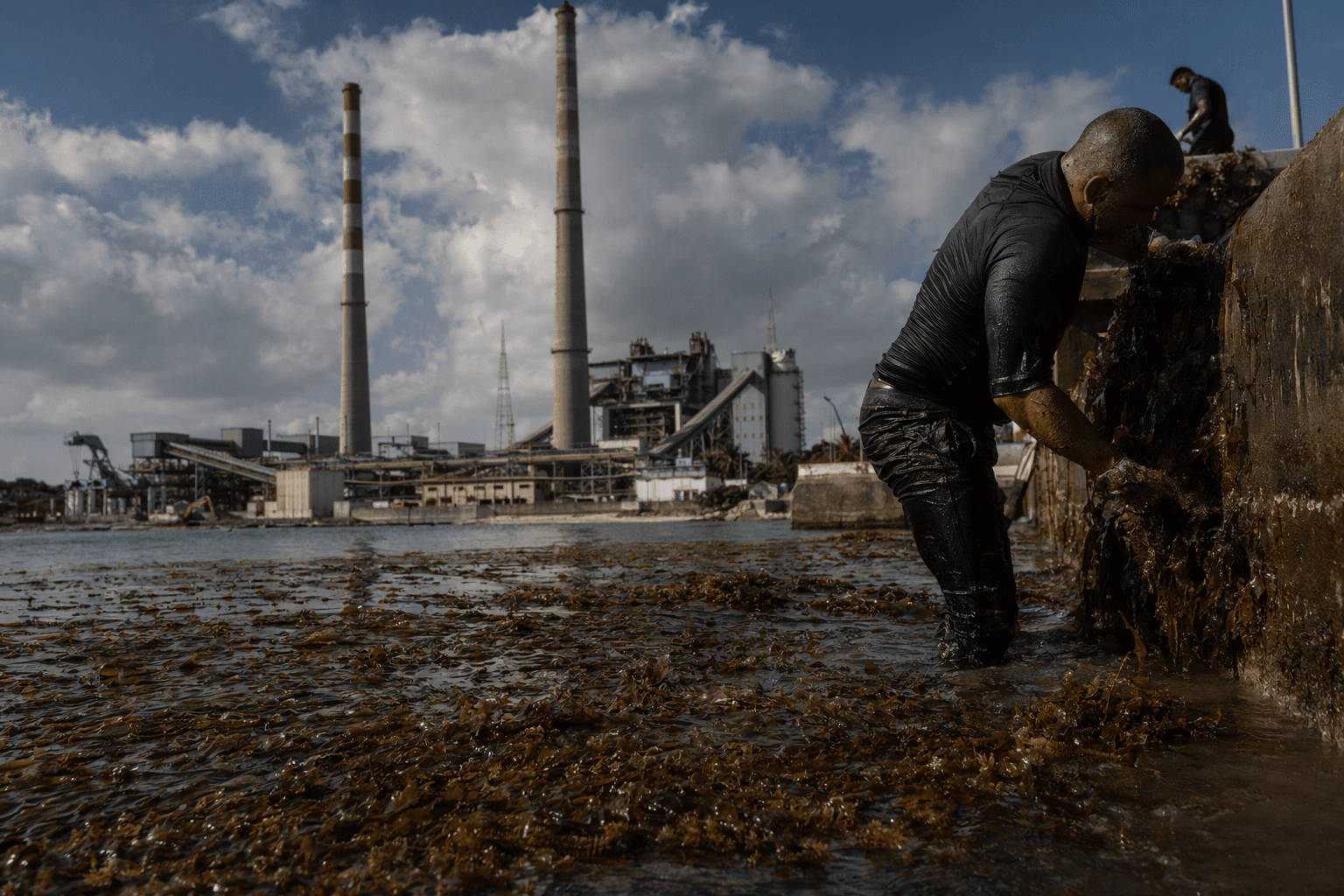
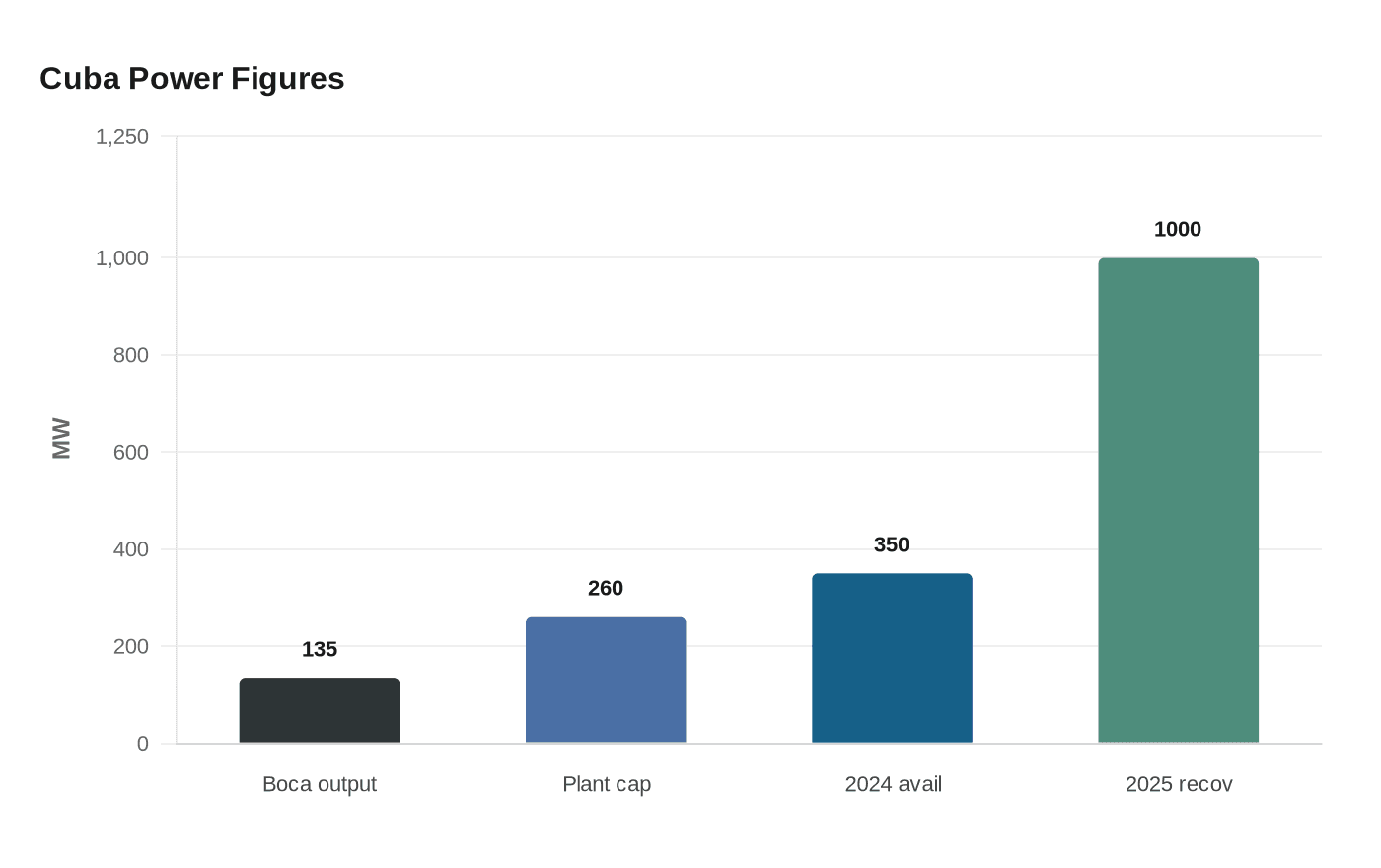
Seaweed knocked another hole in Cuba’s power system when massive sargassum buildup clogged the seawater intake at the Boca de Jaruco combined-cycle plant and forced an automatic pump shutdown. The unit was removed from the National Electric System on April 11, stripping away a plant that had been producing about 135 MW on a full-load capacity of 260 MW.
Energás said its crews had been fighting the sargassum since January, sending divers into the intake area, bringing in specialized machinery and even importing a hydraulic pump to keep the channel clear. The episode turned an odd coastal nuisance into a direct power problem, but it also laid bare how thin the margin is inside Cuba’s grid. A single blockage was enough to take a major generating unit offline, and that happened while the island was already living through repeated blackouts, fuel shortages and damaged thermoelectric equipment.
Energy minister Vicente de la O Levy has said the country still needs about eight shipments of fuel each month just to cover electricity generation and the wider economy. Granma reported on April 23 that Cuba was distributing only 800 tons of fuel a day out of the 1,600 tons needed. The same report said the island had recovered more than 1,000 MW of distributed generation in 2025, after starting from about 350 MW available at the end of 2024 out of nearly 3,000 MW installed. Renewable energy penetration, it said, rose from 3% to 10% in one year.
Even with those gains, the system remained exposed. Granma said Cuba had received a Russian ship carrying 100,000 tons of fuel after December 8, but that support was temporary. It also said January 29 measures blocked further fuel acquisition through tariffs and military pressure in the Caribbean. UN News said Cuba’s humanitarian crisis worsened after three disconnections of the national electrical system in March, and that fuel shortages deepened after U.S. measures at the end of January blocked oil supplies from entering the island.
The human toll has become impossible to ignore. UN officials said the crisis left more than 96,000 surgeries pending, including 11,000 for children, and about one million people dependent on water trucking. IEEE Spectrum reported in 2025 that Cuba’s government could meet only about 50% to 70% of daily electricity needs on an average day, while the grid had collapsed four times in six months.
That makes the seaweed incident look less like a curiosity than a warning. Sargassum was the trigger at Boca de Jaruco, but the deeper story is a power system where weather, fuel and maintenance failures now stack on top of one another.
This article was produced by Prism’s automated news system from verified source data, official records, and press releases, then run through automated quality and moderation checks before publishing. The system is built and supervised by the people who set the standards it runs under. Read our full AI policy.
Did this article answer your question?