Bay of Pigs anniversary fuels hard-line exile politics in Miami
A Miami poll found 79% of Cubans and Cuban Americans backing intervention, as the reopened Bay of Pigs museum revived a hard-line exile push.
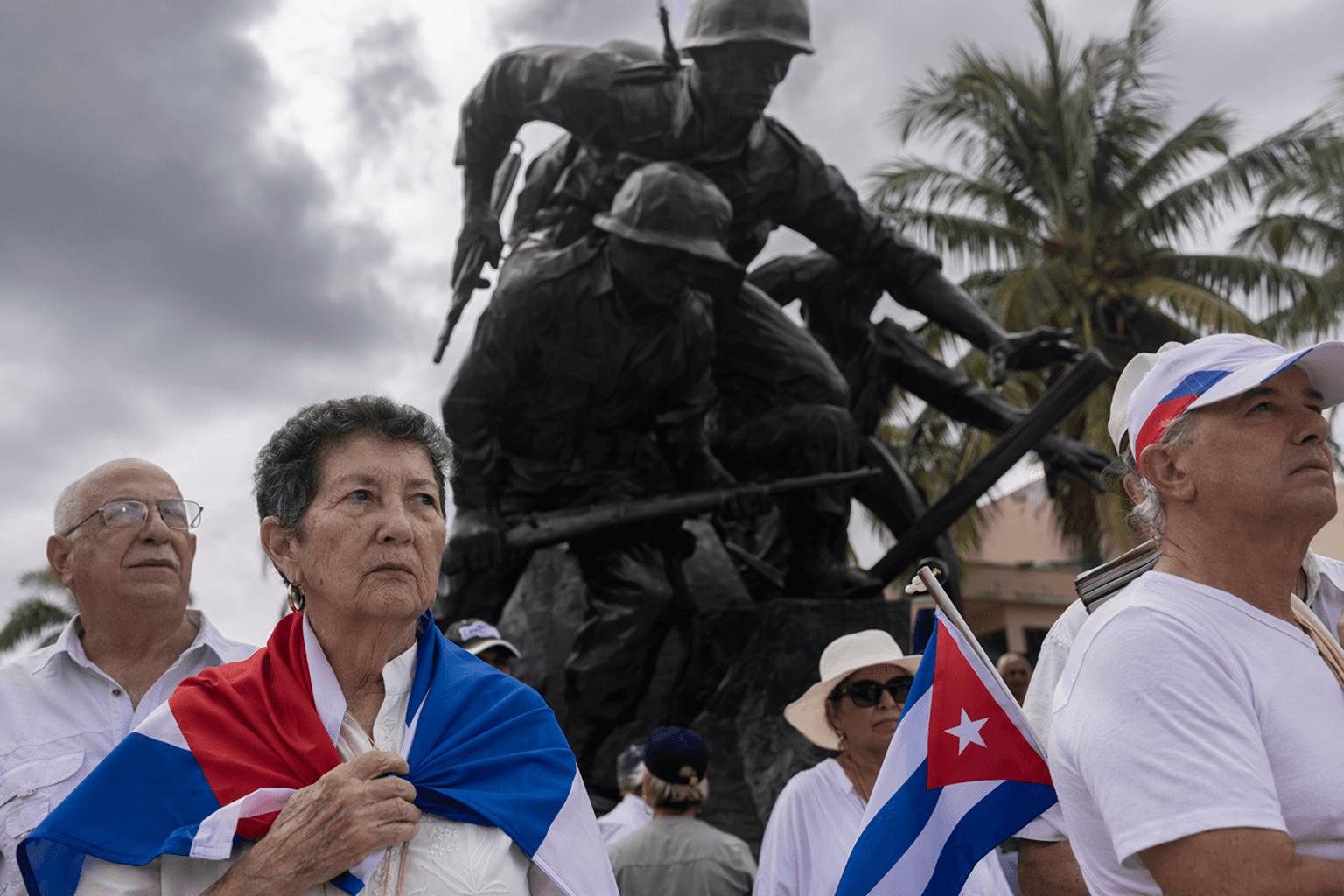
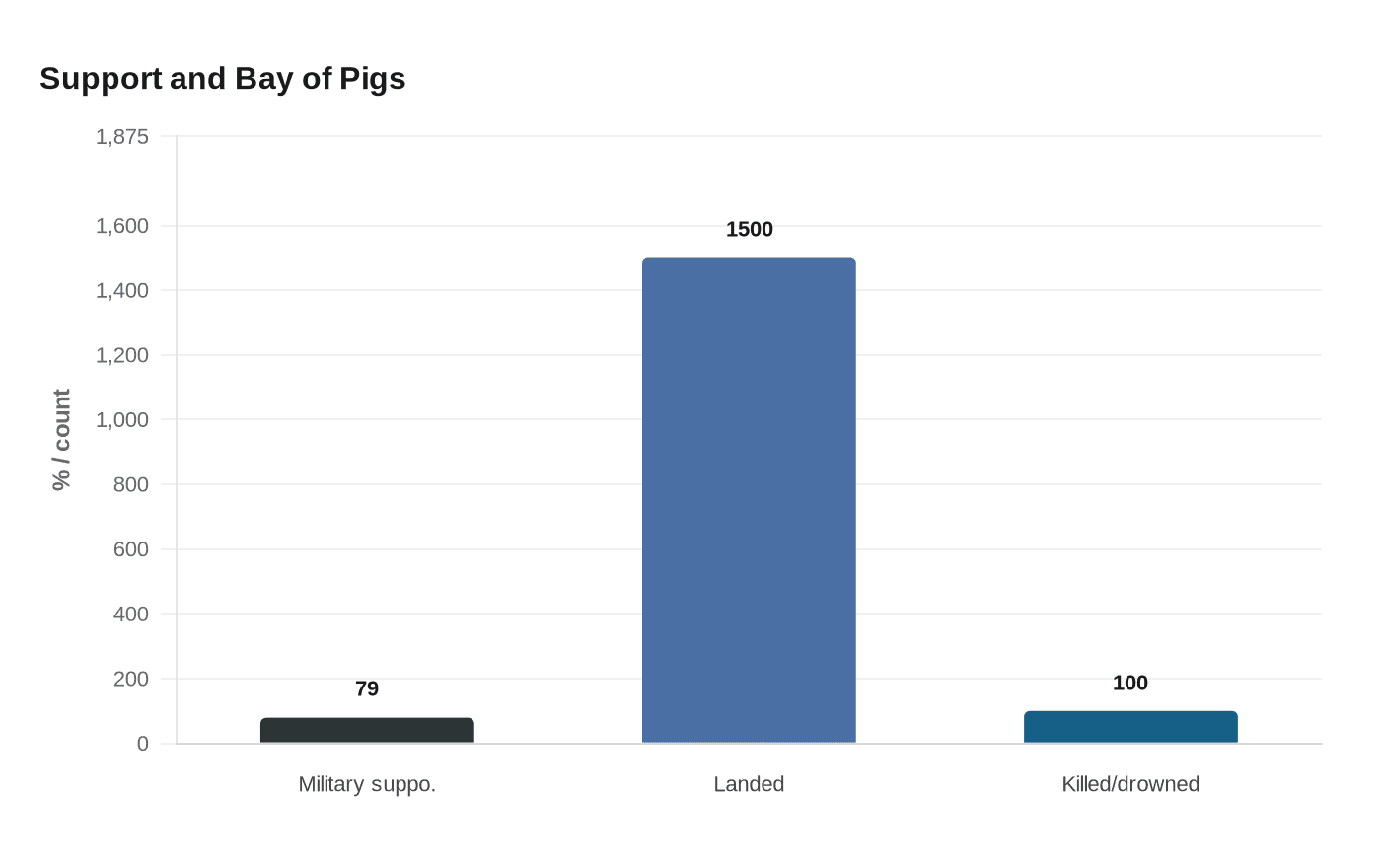
The reopened Bay of Pigs Museum and Library in Little Havana gave Miami’s 65th-anniversary commemoration a familiar backdrop, but the sharper story was the political mood outside its doors. A poll of 800 Cubans and Cuban Americans across Miami-Dade, Broward, Palm Beach and Monroe counties found that 79% supported some form of U.S. military intervention for regime change or humanitarian relief, a striking sign that the old exile script still commands real support in South Florida.
That hard-line posture exposed a divide inside the exile community. For veterans of Brigade 2506 and older anti-Castro families, April 17 still marks an unfinished mission, the day about 1,500 CIA-backed Cuban exiles landed at Playa Girón in 1961 and more than 100 of them were killed or drowned in the failed assault on Fidel Castro’s government. But newer waves of Cuban migrants, along with exiles more focused on inflation, housing, remittances and the daily grind of keeping relatives afloat, have less appetite for another military gamble. They want pressure, yes, but not another invasion.
Donald Trump’s rhetoric has helped keep the hard line alive. In South Florida, the anniversary was folded into a broader campaign of regime-change politics, with renewed lobbying and rallies for Cuba’s freedom. Trump’s claims that the Cuban government is near collapse, along with his talk of a possible friendly takeover, have given Miami’s most combative voices new political oxygen and made dialogue sound, to them, like capitulation.
The museum’s reopening in Little Havana mattered because it turned memory into a live political stage. The Bay of Pigs has long been more than a failed operation from the Cold War; in Miami, it is a badge of identity, sacrifice and unresolved grievance. This anniversary made that plain again, as the Brigade 2506 Veterans Association and their allies used the moment to argue that the 1961 invasion should be remembered not as an ending, but as a promise interrupted.
Across the water, Miguel Díaz-Canel responded with his own warning. In a mid-April NBC News interview with Kristen Welker, the Cuban president said Cuba was prepared to defend itself and that any invasion would carry consequences for Cuba, the United States and the region. His comments underscored how the anniversary has become less a historical marker than a fresh fault line, with Miami’s exile politics, Trump-era threats and Cuba’s deepening crisis feeding one another.
This article was produced by Prism’s automated news system from verified source data, official records, and press releases, then run through automated quality and moderation checks before publishing. The system is built and supervised by the people who set the standards it runs under. Read our full AI policy.
Did this article answer your question?