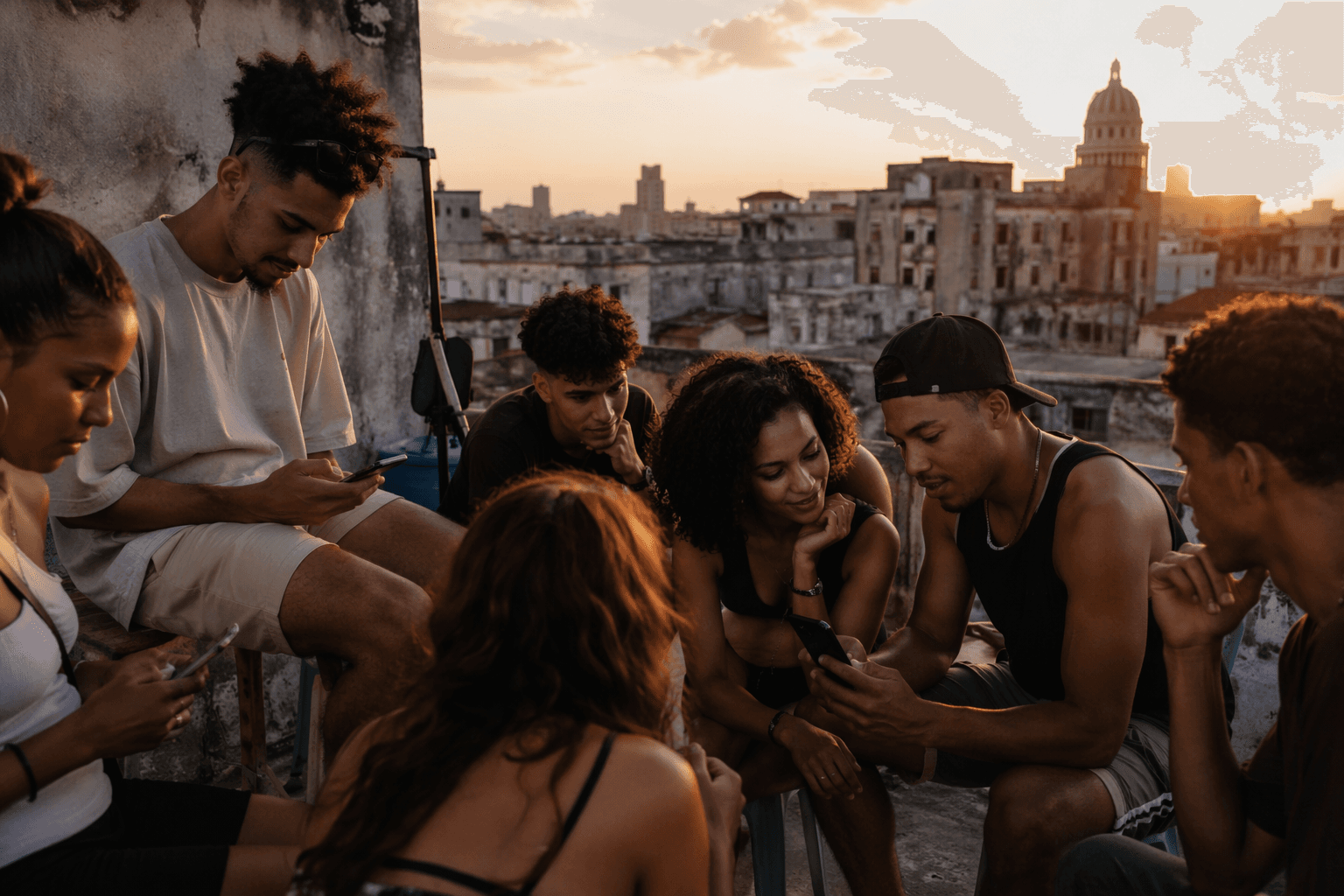
Havana real estate stirs as investors bet on political change
Miramar and Vedado are drawing fresh bids as investors bet on political change, even while more than 1.5 million Cubans have left since 2020.
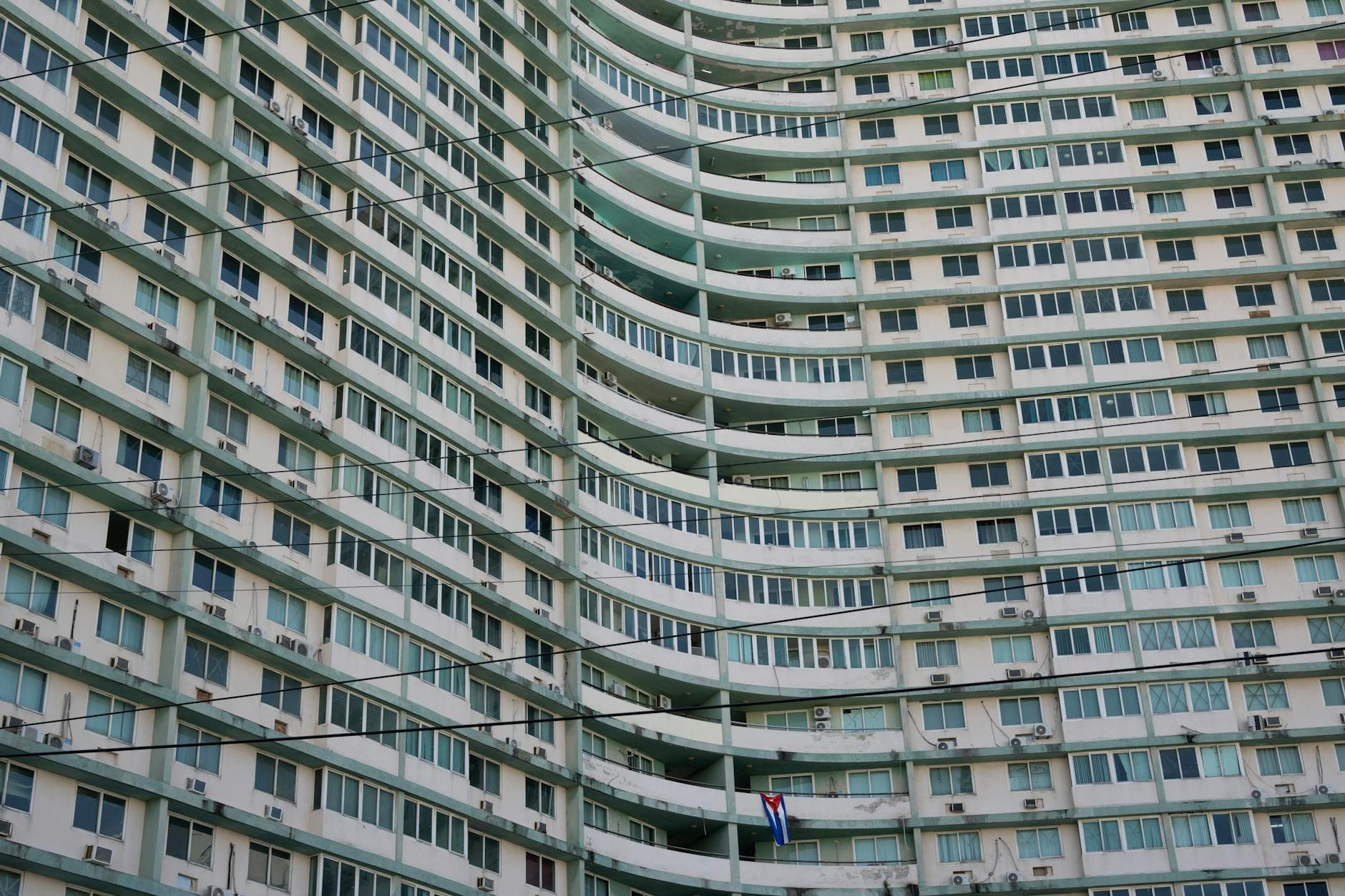
Neoclassical mansions in Miramar and art deco buildings in Nuevo Vedado and Vedado are back on the radar, but not because Havana has suddenly recovered. Brokers say prices are ticking up as buyers wager that a political opening could remake Cuba’s property market, even though the city still sits inside a wider crisis of emigration, decay and housing scarcity.
The market move is being driven less by supply and demand than by expectation. Interest is coming from emigrés, foreign residents and Cuban-Americans who believe the Communist Party of Cuba could reform, or be pushed aside, after more than six decades in power. Cuba’s home market only became legal in November 2011, when the government legalized sales; before that, residents were mostly limited to swapping properties. Foreigners are still barred from buying homes unless they have permanent residency or use proxies.
Values in Havana’s most desirable areas remain about 40% to 50% below the levels reached during the Obama-era diplomatic thaw, when improved ties under Barack Obama and the arrival of Airbnb helped fuel a brief property boom. That boom was interrupted by Donald Trump’s sanctions and then the Covid-19 pandemic, and the fallout is still visible in the way sellers and brokers talk about the market. Some owners are now pulling listings, while others are raising asking prices in anticipation of a broader rebound.
That optimism is colliding with a much harsher reality. More than 1.5 million Cubans have left the country since 2020, a mass exodus that has flooded the market with homes and helped drag prices down. Across the island, the housing deficit is more than 900,000 units, and more than one-third of the housing stock is in fair or poor condition. A draft housing law discussed in 2026 would let Cubans own two urban homes and take out mortgages, a sign that even the government knows the sector needs deeper rules and more financing.
The stakes are bigger than prices. High-value sales in places like El Vedado and Siboney can trigger anxiety that any future regime change could reopen restitution claims from families whose homes were confiscated after the Revolution. That is why Havana’s real estate revival feels less like a clean recovery than a paper market built on political bets, with wealth and uncertainty moving together through the same front doors.
This article was produced by Prism’s automated news system from verified source data, official records, and press releases, then run through automated quality and moderation checks before publishing. The system is built and supervised by the people who set the standards it runs under. Read our full AI policy.
Did this article answer your question?