Church meals become lifeline for aging Cubans in Old Havana
A free church lunch in Old Havana now feeds retirees whose pensions can’t cover bread, and for 84-year-old Carmen Casado it has become the difference between eating and going without.
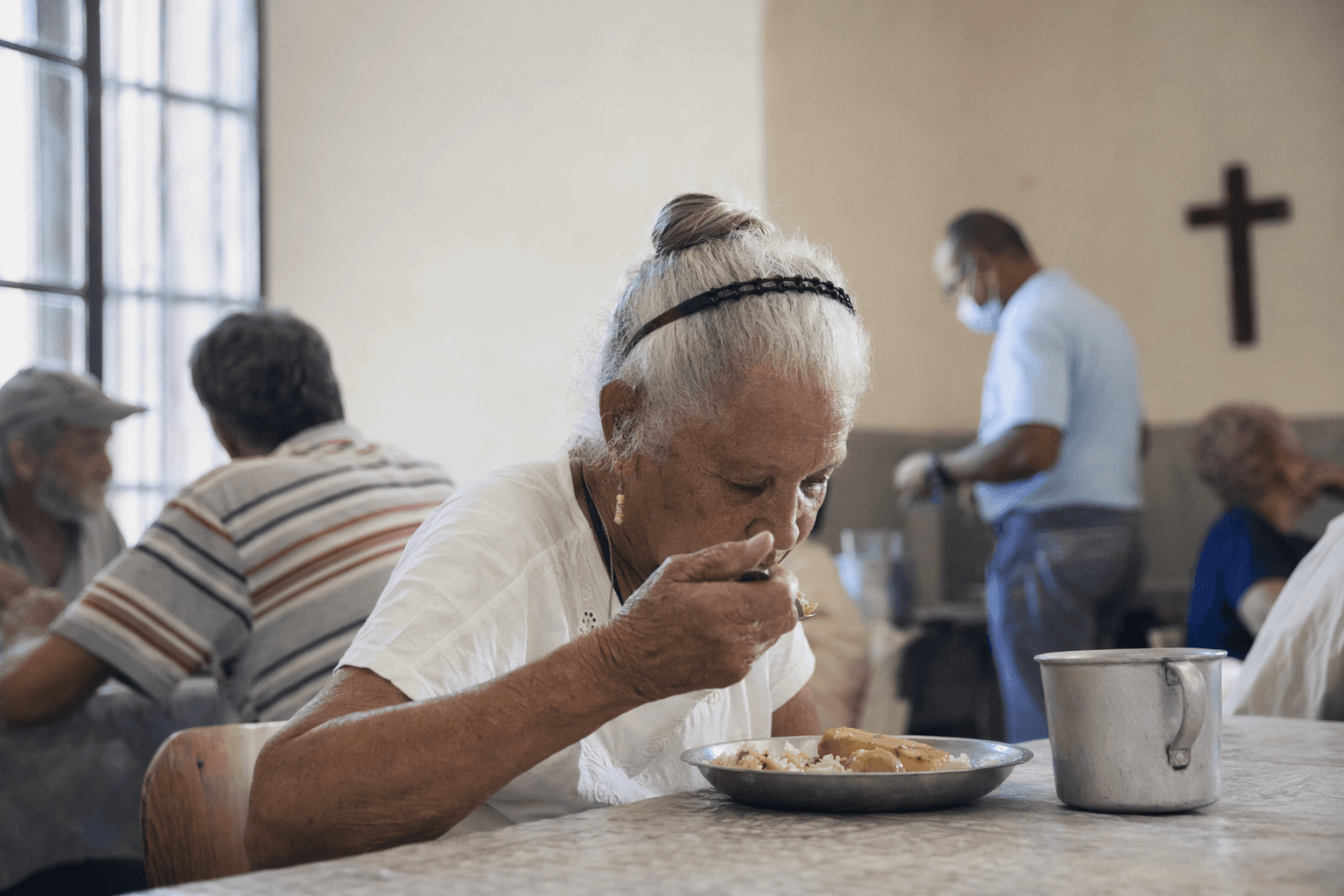
The wooden doors of the Church of the Holy Spirit in Old Havana now open three times a week to something many older Cubans can no longer reliably find at home: a full plate. On a recent afternoon, the dining hall served ground meat, rice, red beans, crackers topped with mayonnaise and strong Cuban coffee, a modest meal that has become a practical lifeline as pensions lose value and state rations shrink.
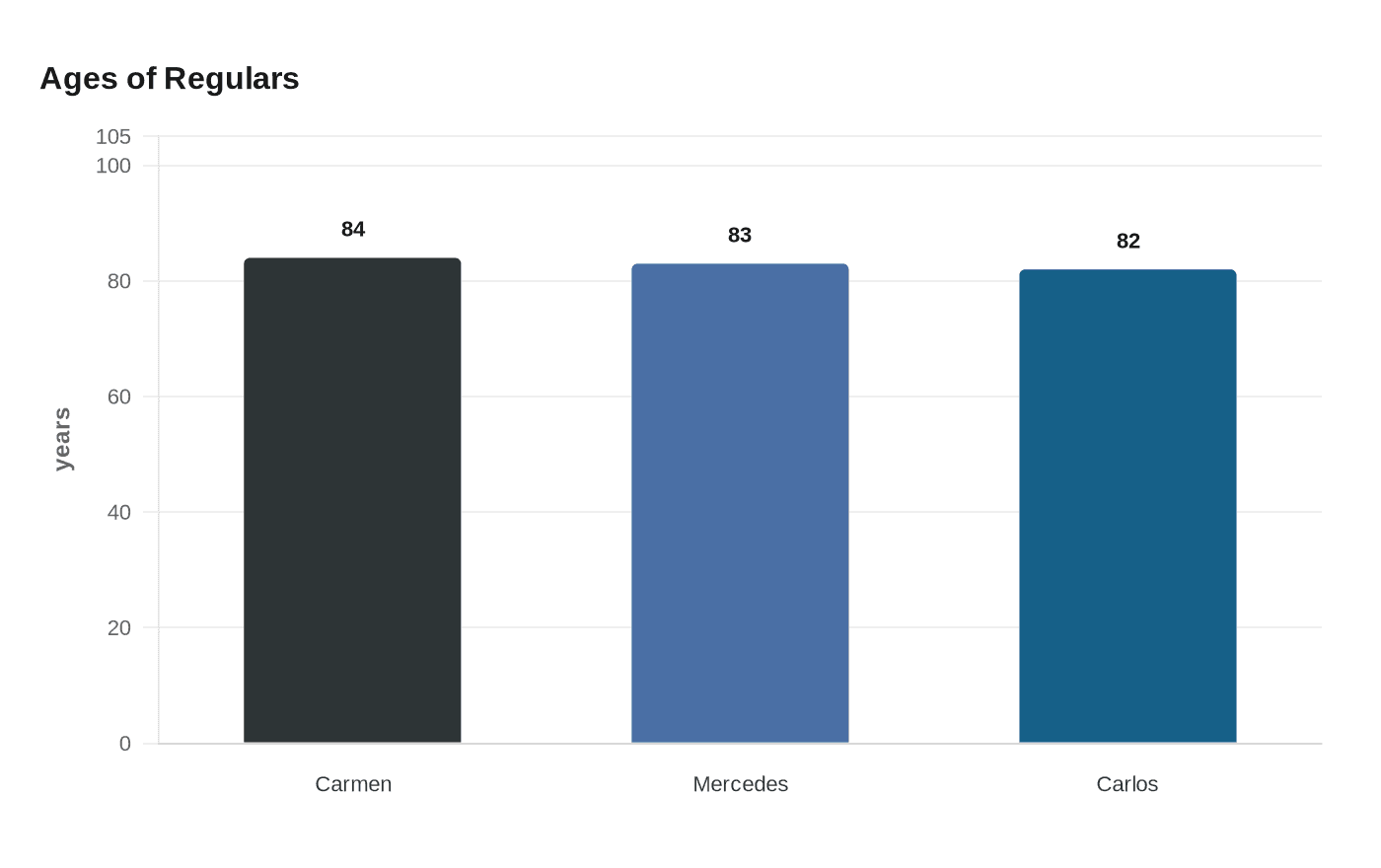
Carmen Casado, 84, knows exactly how thin the margin has become. A retired chemical engineer, she lives alone, has no children and receives no remittances from relatives abroad. Her monthly pension is 2,000 Cuban pesos, worth about $4 at the informal exchange rate many Cubans use every day. What she can get from the bodega, bread, rice and beans, does not stretch far enough, so the church meal fills the gap.

Casado is not alone. Mercedes Lopez Rey, 83, is another regular at the meals, and Carlos Lugo, 82, is among the older residents relying on the same help in Old Havana. Their presence shows how the church has become more than a place of worship. For elderly Cubans facing empty shelves, long lines and the steady loss of purchasing power, it has become part pantry, part gathering place and part survival routine.
The strain has deepened since the start of 2026, after the oil embargo imposed by U.S. President Donald Trump tightened access to fuel and made blackouts and shortages worse. Cuba also endured a nationwide blackout lasting more than 29 hours in March 2026, another reminder that households are often managing not just food scarcity but the daily collapse of electricity that many depend on for ordinary life and medicine.
The crisis is hitting a country that is already one of the oldest in Latin America. By the end of 2024, nearly 26% of Cuba’s population was age 60 or older, according to Cuba’s National Bureau of Statistics. Over the past five years, the country’s population has fallen by nearly 1.5 million, largely because of migration, leaving many older people more isolated as younger relatives leave the island.
That demographic squeeze helps explain why so many former state workers, including teachers, doctors, nurses, technicians, custodians and lawyers, are now lining up for church aid. In August 2025, Cuba’s Ministry of Labor and Social Security announced a pension increase for more than 1.5 million people, but for many retirees, the relief never came close to matching the cost of daily survival. In Old Havana, dignity now depends less on the state than on the church table being set three times a week.
This article was produced by Prism’s automated news system from verified source data, official records, and press releases, then run through automated quality and moderation checks before publishing. The system is built and supervised by the people who set the standards it runs under. Read our full AI policy.
Did this article answer your question?