Cuba refinery processes domestic heavy crude, easing fuel shortages
Santiago’s Hermanos Díaz refinery turned Cuba’s thick domestic crude into diesel and naphtha, but the real test is whether blackouts and transport delays ease.
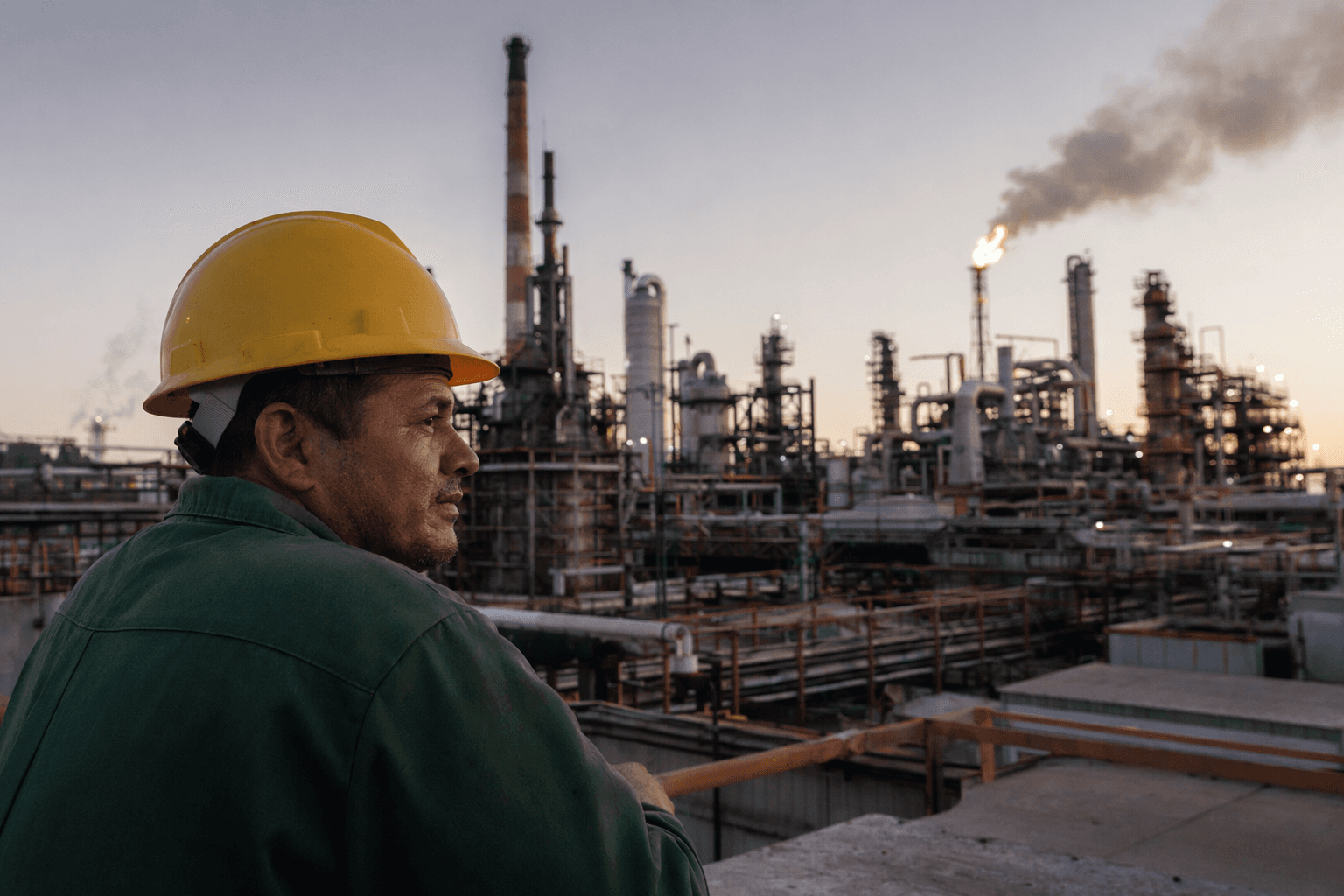
The real question in Santiago de Cuba was never whether engineers could make the refinery work. It was whether a successful run of Cuban heavy crude would put enough diesel, fuel oil and naphtha back into daily life to matter for drivers, power plants and households still living through shortages.
At the Hermanos Díaz Oil Refinery, one of Cuba’s four fuel-processing facilities, engineers processed national heavy crude and produced diesel, naphtha and fuel oil after adapting equipment that had been built for light crude. Cuban officials said the crude was highly viscous and rich in sulfur, a difficult feedstock that the plant had already been learning to handle by processing imported heavy crude diluted to about 16 API degrees.
The work was led by Víctor Manuel Díaz Despaigne, whom Cuban media described as 66 years old and with 45 years at the refinery. He headed a multidisciplinary group that made the technological changes, while specialists from Ceinpet, the Oil Research Center, helped develop the thermoconversion approach behind the process. Officials said the technology was presented to the National Innovation Council in April 2026.
President Miguel Díaz-Canel Bermúdez framed the result as more than a technical milestone. He said it broke a “taboo” that Cuban crude could not be refined. For a country facing its worst energy crisis in decades, that claim carries immediate stakes. In early 2026, fuel shortages were severe enough to contribute to blackouts, transportation disruptions and wider economic pain, with Cuba also trying to ramp up solar generation, crude extraction and storage.
The refinery’s gains are especially notable because of how far the plant had fallen. State and independent reporting said Hermanos Díaz went through a period of losses and near-paralysis between roughly 2016 and 2021 or 2022, when more than 70 specialists left and sanctions-related shortages of fuels, chemicals, spare parts and laboratory equipment forced a rethink of operations. Cuban News Agency reporting said the plant has more than 700 workers and that a non-conventional crude initiative adopted in 2022 helped it produce diesel and fuel for electricity generation, pushing it back toward profitability.
Officials said a second run of domestic crude is planned, part of a push for continuous improvement and environmental protection. That next test matters because Cuba does not need a symbolic breakthrough in Santiago alone. It needs more fuel in the system, fewer interruptions on the road, and a visible difference when the lights go out elsewhere.
This article was produced by Prism’s automated news system from verified source data, official records, and press releases, then run through automated quality and moderation checks before publishing. The system is built and supervised by the people who set the standards it runs under. Read our full AI policy.
Did this article answer your question?