Canada pledges $5.5 million to ease Cuba's blackouts, shortages
Canada added $5.5 million as Cuba’s grid failures and fuel shortages kept hospitals, homes and food lines under strain. Most of the new money will go to medicines and medical supplies first.
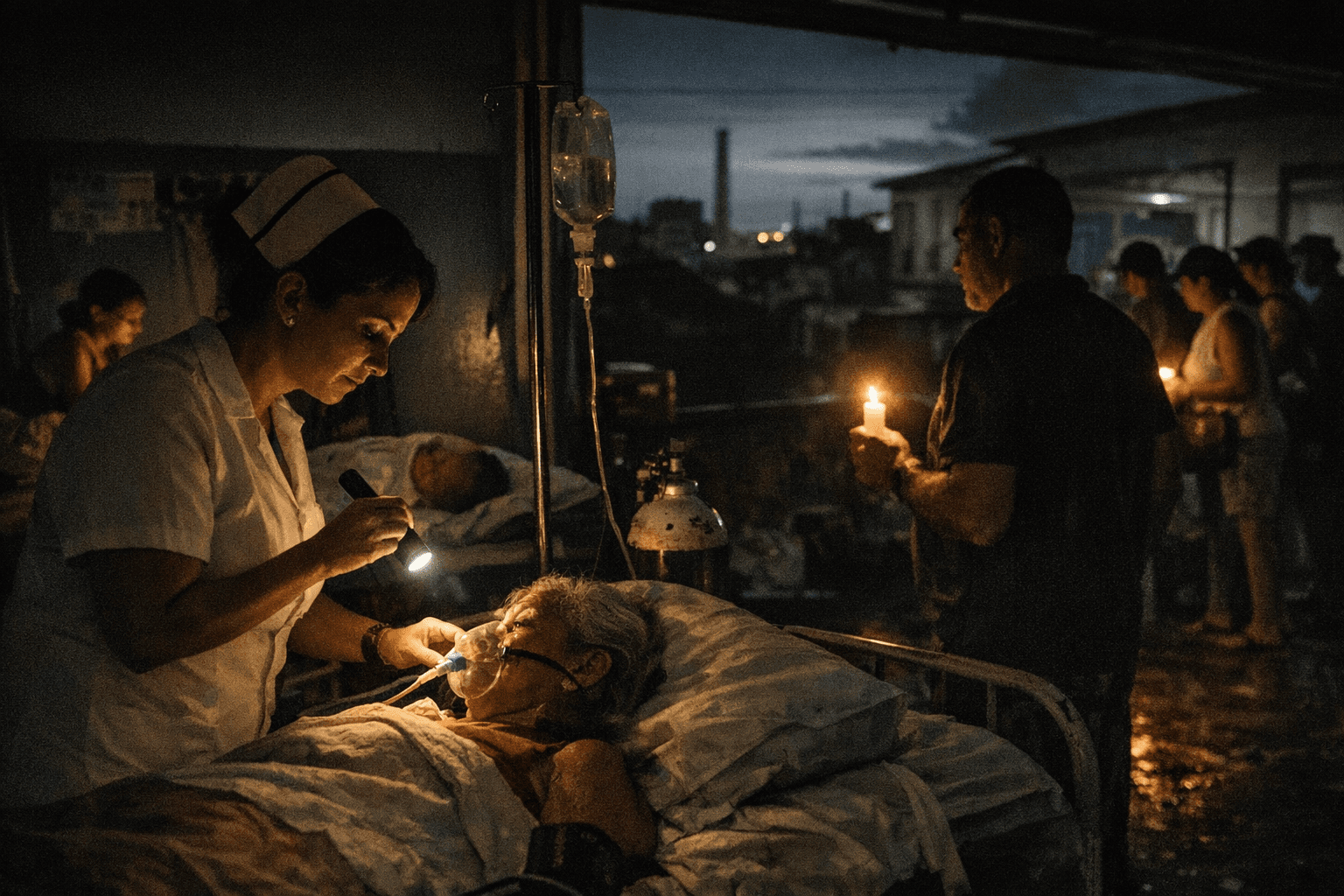
A new Canadian aid package will not end Cuba’s blackouts, but it is aimed at the places where the damage hits hardest: clinics, hospitals and food lines. Ottawa said $5.5 million in additional international assistance will go to Cuba, with $5 million channeled through the Pan American Health Organization and the rest sent to the World Food Programme.
Foreign Affairs Minister Anita Anand and Secretary of State for International Development Randeep Sarai announced the funding as Cuba faced repeated nationwide power grid failures, prolonged blackouts that can last many hours, and acute fuel shortages. Canada said the crisis has cut into access to food, clean water, health care and other essential services, turning a rolling energy failure into a wider humanitarian emergency.
The sharpest impact is likely to be felt first in the health system. Canada said the $5 million going through PAHO will help improve access to essential health services, critical medicines and medical supplies, while also strengthening supply chains and supporting primary health care facilities and referral hospitals. In a country where power cuts can interrupt refrigeration, transport and basic hospital operations, that kind of support is meant to keep care moving even when the grid does not.
The remaining money will go to the World Food Programme to provide food assistance and support essential logistics and fuel needs for the humanitarian response. That matters in Cuba because the same fuel shortages that knock out electricity also slow transport, strain deliveries and make it harder for families to find food, especially when stores and markets are operating under erratic power.
The new package follows an earlier Canadian commitment on February 25, when Ottawa announced $8 million in accelerated funding for food and nutrition support for vulnerable Cubans. Canada also said it provided $8.3 million in development assistance to Cuba in fiscal year 2024-2025, signaling that this latest move is part of a broader push to target vulnerable households through experienced partners, including United Nations agencies and Canadian non-governmental organizations.
The backdrop is still worsening. The United Nations said on April 6 that humanitarian needs in Cuba remained acute, after Hurricane Melissa tore through the island in late October 2025 and left lingering damage. OCHA said Cuba received its first oil shipment in three months on April 2, a delivery of 730,000 barrels of crude oil, enough for roughly nine to ten days of demand. ACAPS has estimated that about nine million people have been affected by fuel scarcity that has disrupted electricity generation, transport, food availability, livelihoods and access to essential services.
This article was produced by Prism’s automated news system from verified source data, official records, and press releases, then run through automated quality and moderation checks before publishing. The system is built and supervised by the people who set the standards it runs under. Read our full AI policy.
Did this article answer your question?