U.S. officials hold rare Havana talks with Raúl Castro’s grandson
Washington met Raúl Castro’s grandson in Havana, dangling Starlink while demanding prisoners and elections, in the first U.S. government flight there since Obama.
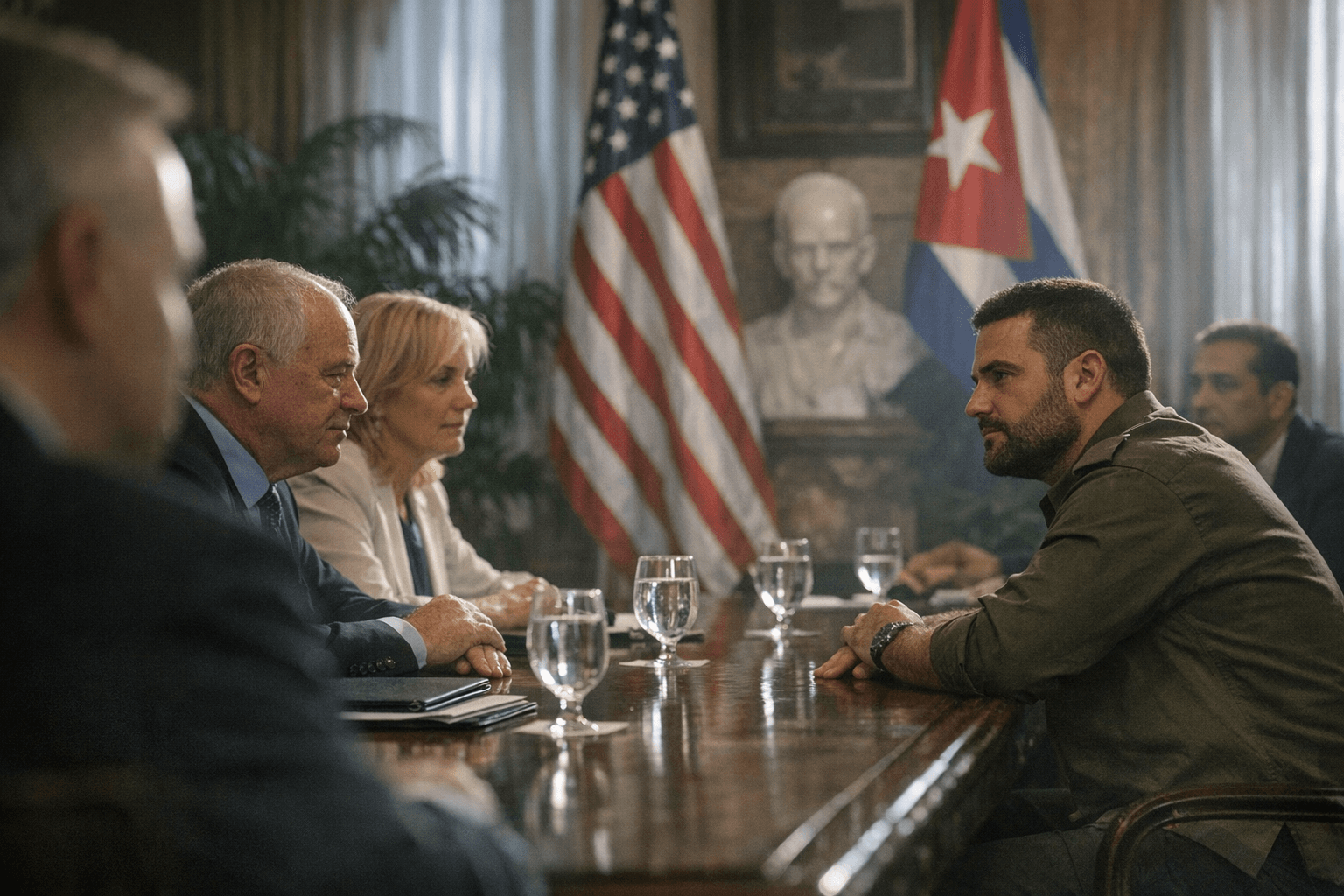
A U.S. government plane landed in Havana for the first time since Barack Obama’s 2016 visit, carrying senior State Department officials who pressed Raúl Castro’s grandson on reforms, prisoner releases and elections while offering Starlink to help restore internet service.
The talks bypassed official Cuban government channels and centered on Raúl Guillermo Rodríguez Castro, known as El Cangrejo, the longtime security aide and grandson of Raúl Castro. Washington is treating the 94-year-old Raúl Castro as the figure who still matters most behind the scenes, and the message delivered in Havana was not subtle: open the system, or face the consequences of deeper pressure.
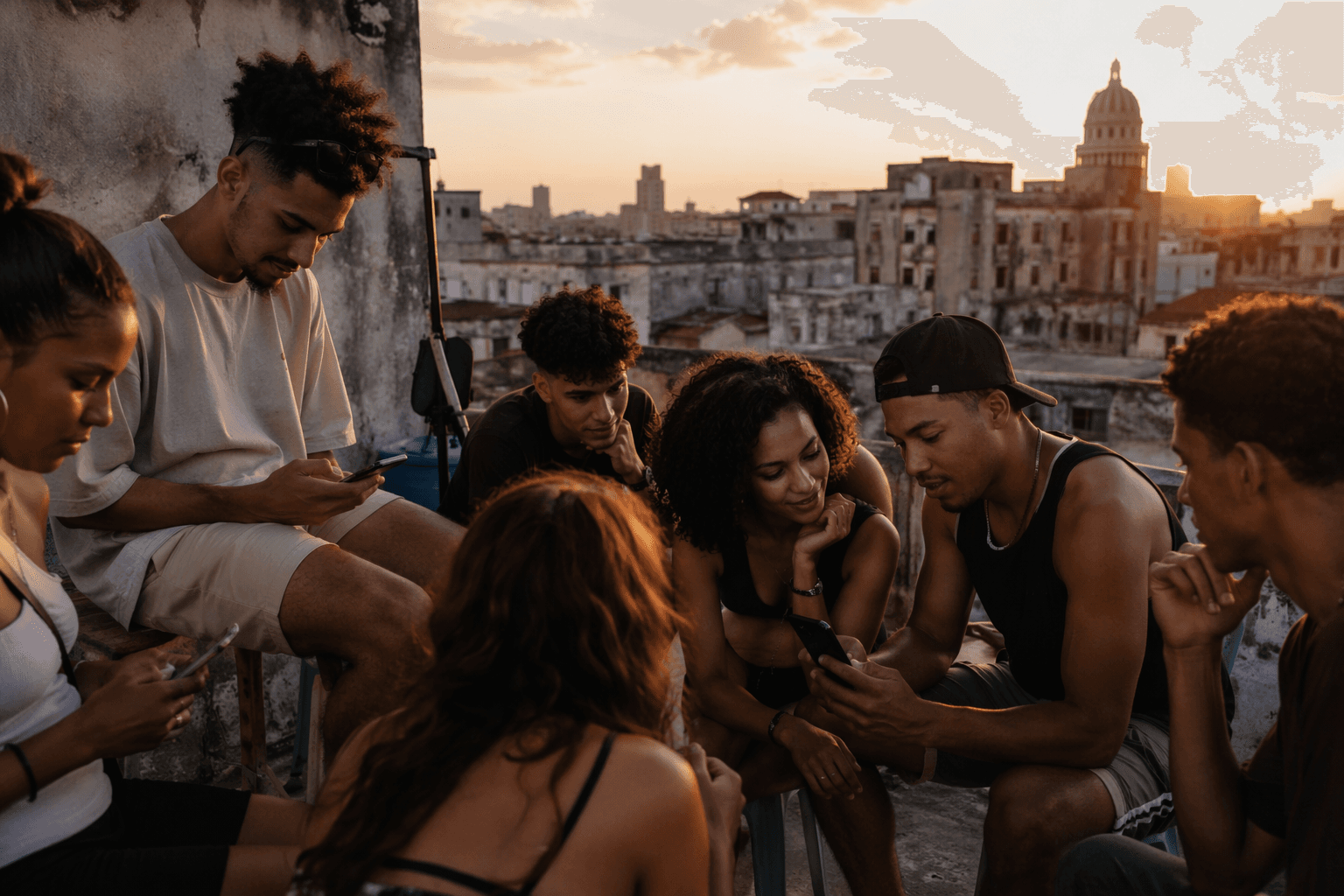
That internet offer cuts straight to daily life in Cuba. The island is already staggered by fuel shortages, near-constant blackouts and shortages of food and basic goods. A satellite network would not solve the power crisis, but it could give Cubans a way to stay connected when the grid fails, keep businesses moving, and preserve a communications channel that does not depend entirely on the state’s battered infrastructure. If the talks collapse, the result is more likely to be more scarcity, more outages and tighter control, not relief.
The prisoner issue shows how much Washington is trying to squeeze Havana on multiple fronts at once. Cuba said it pardoned and released 2,010 prisoners on April 3, but that announcement did not settle the central question of who walked free. Prisoners Defenders says Cuba still has 1,211 political prisoners. Human Rights Watch says more than 700 political prisoners remain behind bars, with hundreds more facing house arrest and other restrictions. The lack of transparency means the releases can be read as a tactical move under pressure, not a shift in power.
The backdrop is an old standoff with new tools. Washington has been using an oil blockade to cut off fuel shipments until recently, and Havana has been trying to find an off-ramp. Raúl Rodríguez Castro reportedly tried to send Donald Trump a secret letter through a Havana businessman, proposing economic and investment deals, asking for sanctions relief and warning of a possible U.S. incursion. The messenger, Roberto Carlos Chamizo González, a 37-year-old businessman in luxury tourism and auto rentals, was stopped in Miami and sent back to Cuba.
Miguel Díaz-Canel has rejected the pressure and vowed Cuba will not be “a trophy” or “a star.” For ordinary Cubans, the stakes are immediate: either a crack opens in the island’s information lock, or the same blackouts, shortages and political repression continue under a harsher U.S. squeeze.
This article was produced by Prism’s automated news system from verified source data, official records, and press releases, then run through automated quality and moderation checks before publishing. The system is built and supervised by the people who set the standards it runs under. Read our full AI policy.
Did this article answer your question?