China Delivers 15,600 Tons of Rice to Cuba Amid Ongoing Shortages
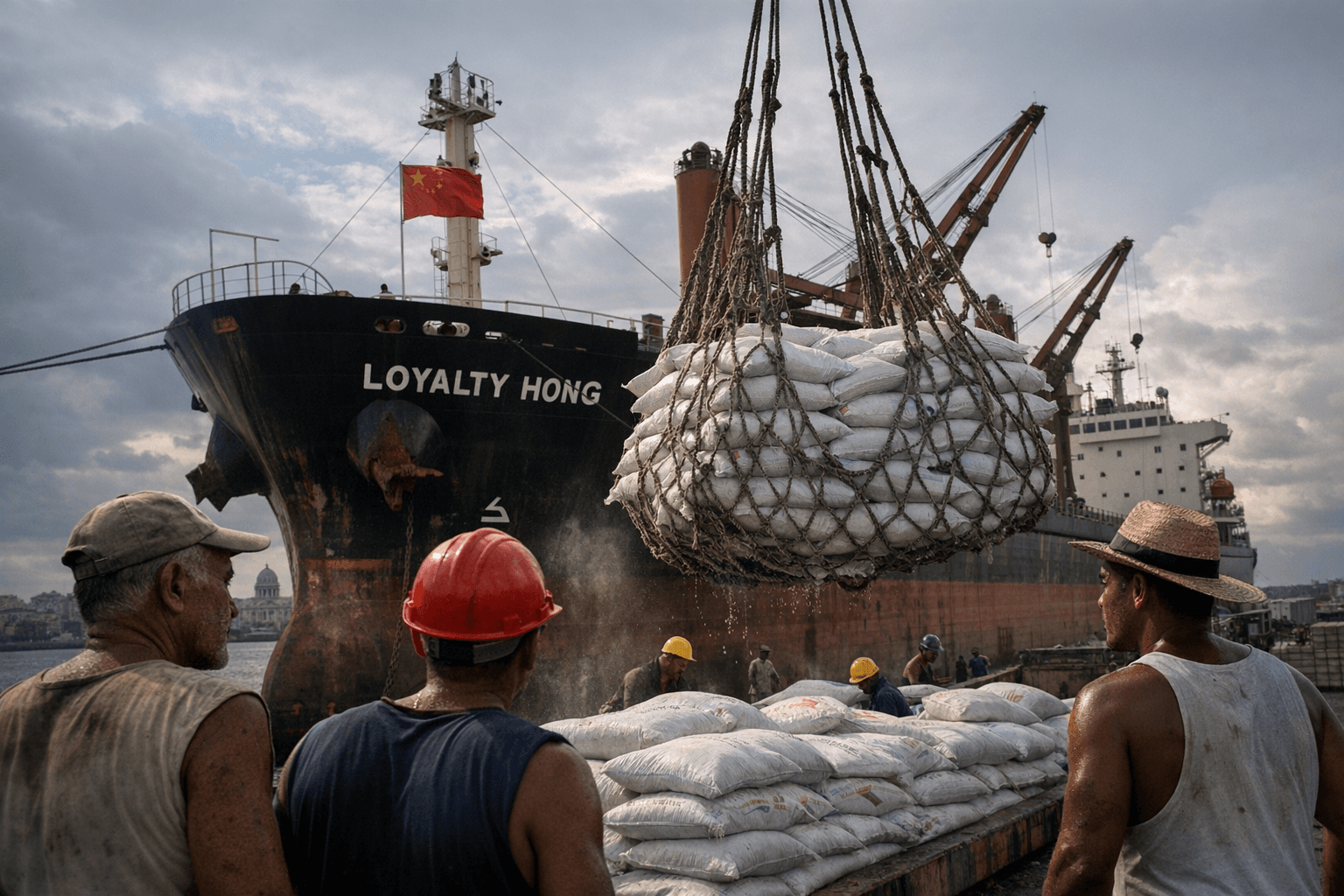
The cargo ship Loyalty Hong docked in Havana carrying 15,600 tons of donated Chinese rice, part of an emergency aid package approved by President Xi Jinping.
The cargo ship Loyalty Hong docked at the port of Havana carrying 15,600 tons of rice donated by the Chinese government, the largest single delivery in a sustained emergency food assistance program Beijing launched in January to address Cuba's deepening supply crisis.
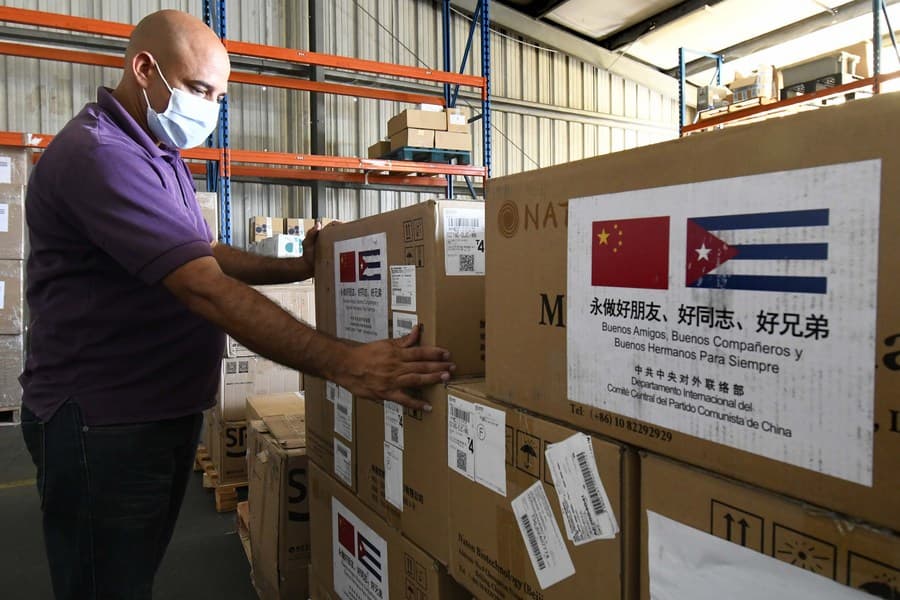
The shipment represents a significant portion of the 30,000-ton donation China announced under bilateral cooperation agreements, and it is not the last. An additional shipment of up to 60,000 tons has been confirmed as part of a broader support package approved by President Xi Jinping, according to CiberCuba.
The formal handover process began on January 19, when Cuba received the first batch of the 30,000-ton donation at a ceremony held at the Ministry of Domestic Trade in Havana. Cuban Deputy Prime Minister and Head of Foreign Trade and Foreign Investment Óscar Pérez-Oliva attended, describing the donation as "a concrete expression of China's exemplary, unconditional and selfless cooperation with Cuba." He also confirmed that two deliveries of 2,400 tons each, entering through the Mariel container terminal and the port of Santiago de Cuba, were already on Cuban soil.
Cuban Foreign Minister Bruno Rodríguez offered his own thanks publicly, writing on X that the aid was "a sign of the close brotherhood and historical ties of friendship and solidarity that unite both nations." The Cuban Embassy in China had framed the initial shipment in even starker terms, stressing that "Cuba is not alone."
The diplomacy reflects a real and pressing need. Rice, a cornerstone of the Cuban diet, has grown increasingly difficult to obtain, and what does reach shelves is often sold at prices out of reach for most of the population. The distribution plan for the Chinese donation targets more than 1,400 communities across the country, including remote areas that are difficult to access, according to Xinhua.
Chinese Foreign Ministry spokesperson Lin Jian made Beijing's political framing explicit, expressing "strong opposition" to the "total blockade" and "unlawful unilateral sanctions" imposed by the United States and calling on Washington to "immediately lift the blockade and sanctions, and cease pressuring Cuba under any pretext."
That framing, however, sidesteps a parallel problem. Analysts and observers have pointed to internal structural failures compounding the crisis: a steady decline in domestic agricultural production, the absence of meaningful economic reforms, and a growing dependency on imports that leaves the food supply vulnerable to any disruption in financing or shipping. The Loyalty Hong's arrival eases pressure on a strained system; it does not fix what created the strain.
Cuba and China marked 65 years of diplomatic relations in September 2024, and the Emergency Food Assistance Project sits squarely within that long partnership. Whether the full scope of the announced commitment, including the up-to-60,000-ton figure, reaches Cuban ports will be the clearest measure of how durable that solidarity actually is.
This article was produced by Prism’s automated news system from verified source data, official records, and press releases, then run through automated quality and moderation checks before publishing. The system is built and supervised by the people who set the standards it runs under. Read our full AI policy.
Did this article answer your question?