China urges US to end Cuba blockade, vows strong support for Havana
China called on Washington to end Cuba’s blockade and promised stronger backing as Havana faces blackouts, shortages and mounting economic strain.
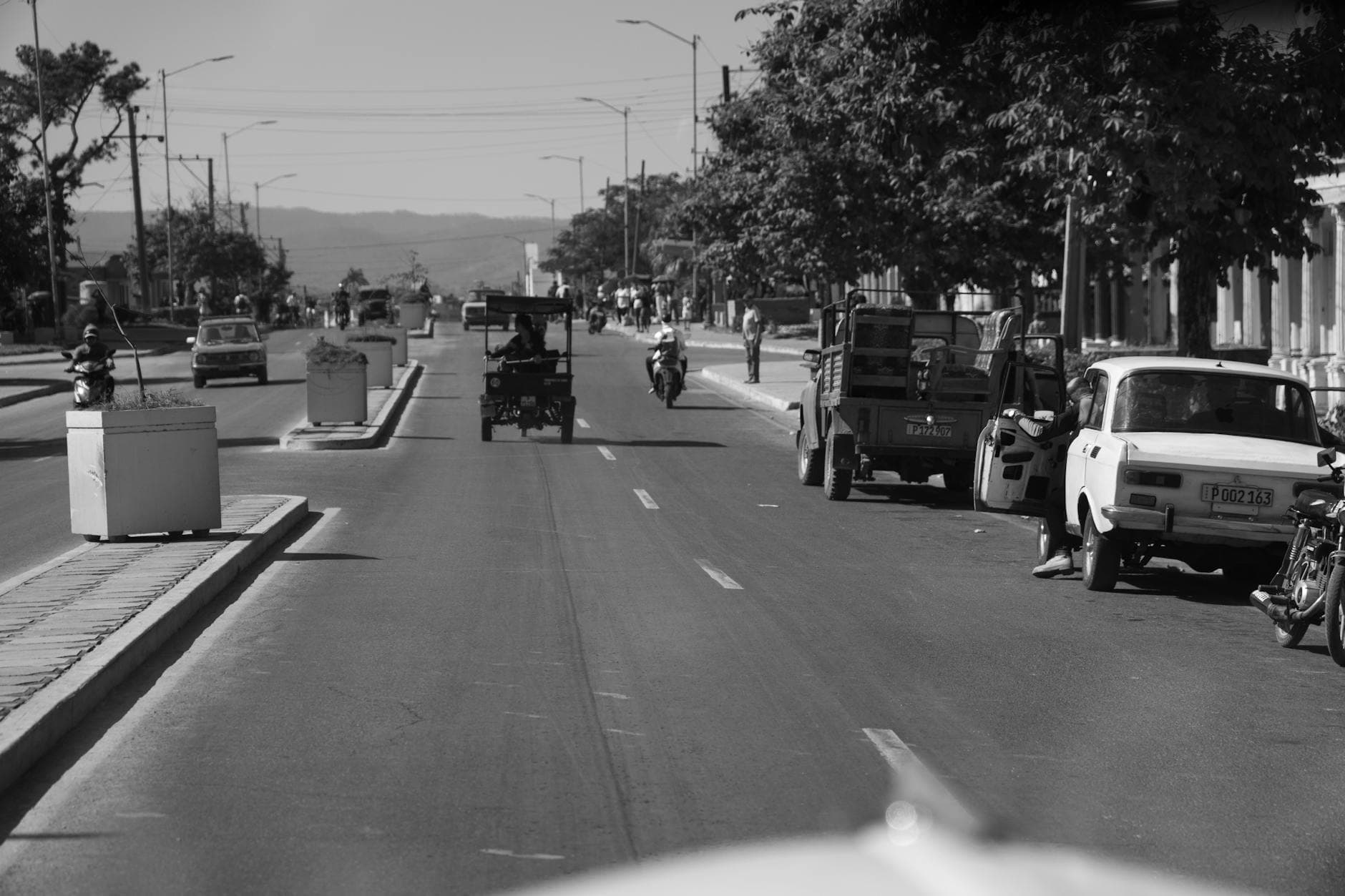
Beijing stepped up its public backing for Havana, urging the United States to end its blockade and promising to stand with Cuba as the island struggles through a severe energy crisis and broader economic strain. The message was aimed squarely at Washington, but the pressure point for ordinary Cubans remains the same: whether diplomatic support turns into anything that eases blackouts, shortages and the daily grind.
On April 10, Chinese Foreign Ministry spokesperson Mao Ning said the United States should “immediately” stop its blockade, sanctions and any form of coercion and pressure against Cuba. She said China was willing to work with other parties to help Cuba safeguard its national sovereignty and security. Five days later, China said it would “resolutely support” Cuba against sustained US pressure.
The statements came as the long-running dispute over the US embargo again played out at the United Nations in New York. The United States first imposed the embargo in 1960 after Fidel Castro came to power, and the United Nations General Assembly has called for it to end every year since 1992. In the most recent vote cited, the resolution passed 187-2, with the United States and Israel against and Moldova abstaining. The resolution was non-binding, but the margin again showed how isolated Washington is on the issue.
That international support has not changed the reality on the ground in Cuba. The island continues to face power cuts and a tight economy, with the energy crisis cutting into homes, businesses and public services. For many Cubans, the question is not whether the blockade is condemned abroad, but whether any foreign backer can help secure fuel, credit or infrastructure fast enough to show up in daily life.
Chinese officials also pointed to growing discomfort inside the United States itself. After a recent visit to Cuba, some members of the United States Congress publicly criticized Washington’s hostile policy toward the island, adding another sign that pressure is building beyond the usual diplomatic trenches. At the same time, the Government of Cuba has kept pushing for dialogue with Washington, even as tensions remain high.
For Miguel Diaz-Canel’s government, China’s latest statements offer political cover at a moment of deep strain. For ordinary Cubans, the measure of that support will be simpler and far more immediate: fewer blackouts, more fuel, and less waiting for relief that has too often stayed stuck in the language of solidarity.
This article was produced by Prism’s automated news system from verified source data, official records, and press releases, then run through automated quality and moderation checks before publishing. The system is built and supervised by the people who set the standards it runs under. Read our full AI policy.
Did this article answer your question?