China Urges Washington to End Cuba Embargo as Sanctions Expand
China’s blunt defense of Cuba could matter most if it turns into diesel, credit, or trade. For now, Havana still faces shortages as Washington widens sanctions.

China’s sharp defense of Cuba on May 5 raised a practical question in Havana: will Beijing’s backing help move fuel, food, or credit, or is it mostly diplomatic cover while shortages keep biting? China urged Washington to immediately end its embargo and sanctions on Cuba, calling the expanded U.S. measures illegal and a violation of the norms of international relations.
That message landed just days after Donald Trump signed a new executive order on May 1 broadening sanctions against the Cuban government. The order targets people and entities tied to Cuba’s security apparatus, as well as those implicated in corruption or serious human-rights violations. It also authorizes sanctions on foreign persons, entities, and financial institutions that conduct or facilitate transactions with sanctioned people or organizations, widening the pressure beyond the island itself.
For ordinary Cubans, the biggest issue is not the diplomatic language. It is whether outside support can ease the shortages that shape daily life, especially fuel and transport. Cuba has been under strain from weak tourism, hard-currency shortages, and power problems. Reuters reported in April that international tourist arrivals plunged 56% in February from a year earlier, a sign of how deeply the island’s economy has been hit.
Beijing’s position was not a one-off. In February, Chinese Foreign Minister Wang Yi said China firmly supported Cuba’s sovereignty and opposed external interference. On May 5, the Chinese foreign ministry repeated that line, saying it backed Cuba’s national sovereignty and security and opposed interference in its internal affairs. In the current environment, that language carries more weight because it signals that Beijing is willing to publicly align with Havana as U.S. pressure increases.
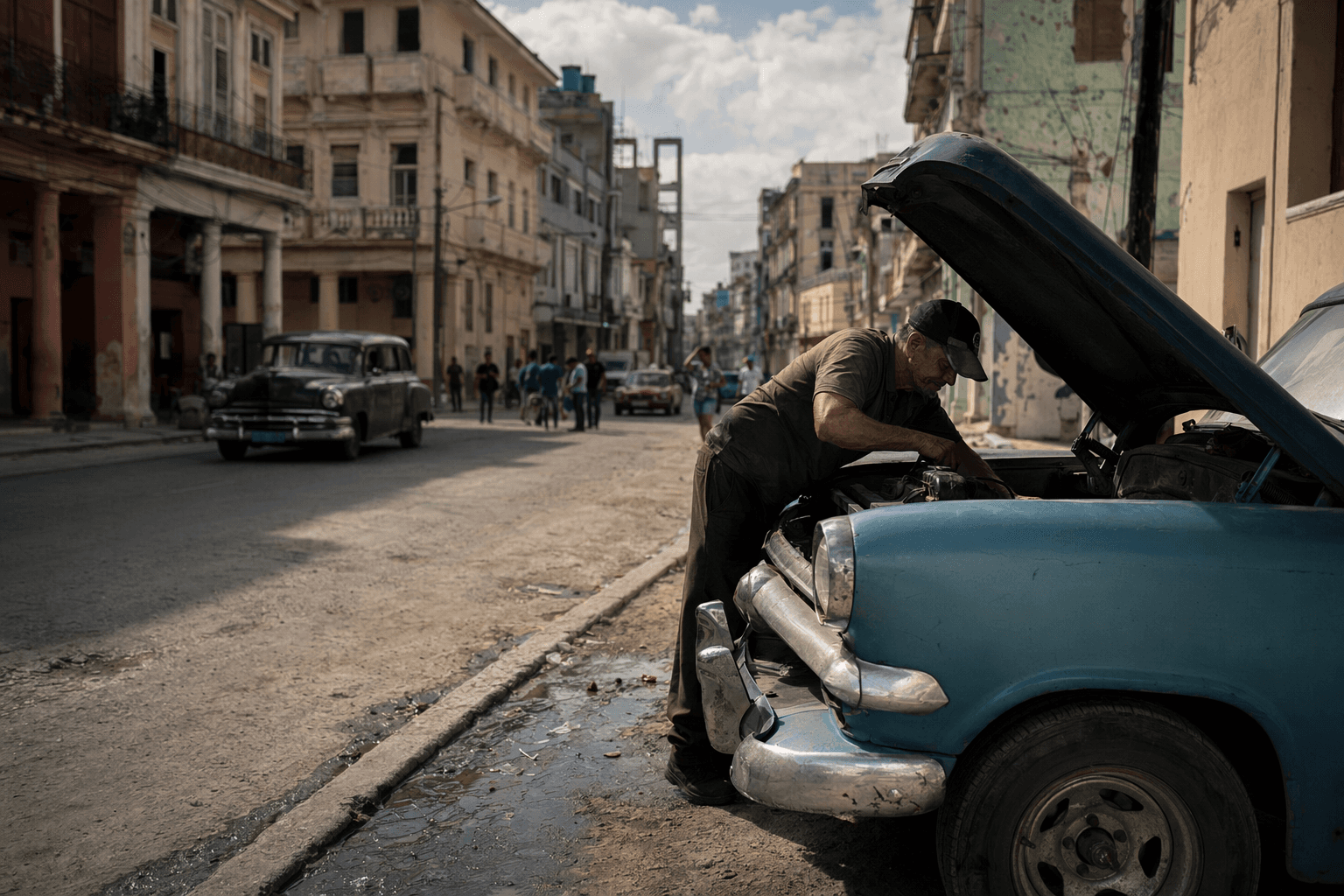
The confrontation is also moving in a wider international frame. On October 29, 2025, the United Nations General Assembly again called for an end to the U.S. embargo on Cuba, passing the resolution by 165 votes to 7 with 12 abstentions. It was the 33rd straight year the assembly had taken that position, even as Washington maintained that its embargo, first proclaimed by President John F. Kennedy in February 1962, remains in force.
Bruno Rodríguez Parrilla rejected Trump’s May 1 sanctions as unilateral coercive measures and said they amounted to collective punishment against the Cuban people. That is the central tension now: Beijing is helping Havana build political cover, but the real test is whether that cover turns into cargo, credit lines, and shipping that Cubans can actually feel when they look for fuel, groceries, or a bus that runs on time.
This article was produced by Prism’s automated news system from verified source data, official records, and press releases, then run through automated quality and moderation checks before publishing. The system is built and supervised by the people who set the standards it runs under. Read our full AI policy.
Did this article answer your question?