Rubio Says Cuba Status Quo Unacceptable, Eyes Church Aid Channel
Rubio said Cuba’s status quo was unacceptable as Havana faces fuel shortages, blackouts and a $94 million UN relief plan aimed at two million people.
Marco Rubio turned Cuba back into a live pressure point on Monday, saying the island’s status quo was unacceptable and that Washington would deal with it, just not immediately. He also said the United States would like to provide more humanitarian aid to Cuba and route it through the Catholic Church, a sign that the White House may keep pressure on Havana while leaving a narrow relief channel open.
That mix matters because the next move from Washington is likely to be measured in practical consequences, not speeches. If the administration tightens the screws further, the pain shows up first in fuel supply, airline operations, remittances and the daily logistics that keep Cuba moving. If it leans harder on church-based aid, the goal would be to get food and other help to Cubans without strengthening the Cuban government’s hand.
Rubio’s Vatican stop adds to that picture. He is scheduled to meet Pope Leo XIV at the Vatican on May 7, where Cuba aid is expected to come up. The State Department said it has already worked with the Catholic Church on humanitarian aid distribution in Cuba, and that fits the administration’s broader approach of trying to direct assistance to the Cuban people rather than to state institutions in Havana.
Havana answered just as fast. Cuban Foreign Minister Bruno Rodríguez accused Rubio on Monday of lying about an oil blockade on the island. The exchange is more than a verbal brawl. It is a fight over the story line that now drives policy in Washington, whether Cuba’s collapse is being caused by bad governance, by external pressure, or by both at once.
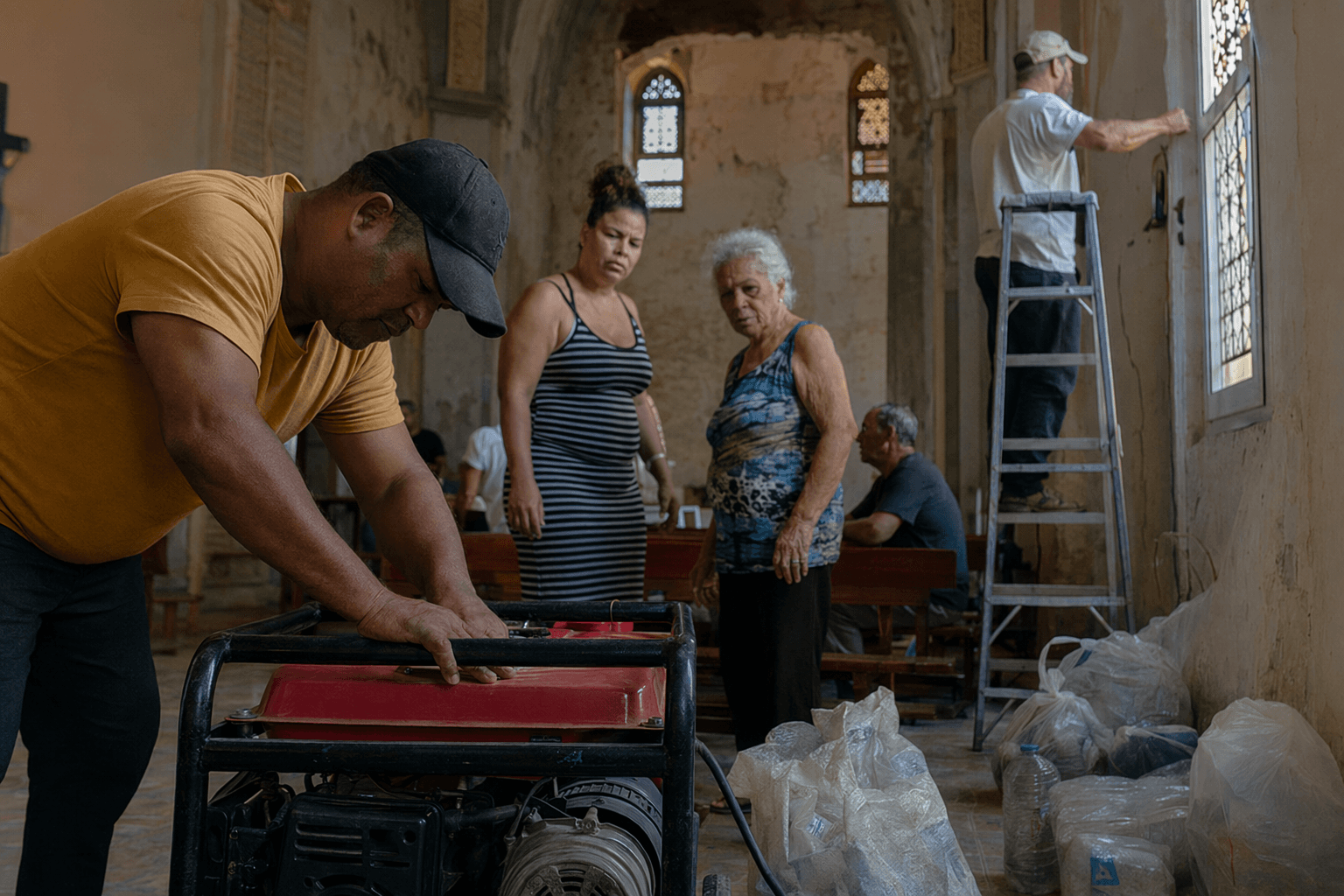
The humanitarian stakes are already visible. The United Nations said in April that Cuba’s needs remained acute and persistent as fuel shortages deepened and the energy crisis spread into healthcare, waste collection, water deliveries, food distribution and other essential services. The UN said shortages worsened after Washington took measures at the end of January to block oil supplies from entering Cuba, and in February warned of a possible humanitarian collapse as supplies dwindled.
The Office for the Coordination of Humanitarian Affairs responded with a revised $94 million plan aimed at helping two million people, or about one in five Cubans. That is the scale of the crisis Rubio is stepping into. The State Department says the U.S. embargo on Cuba dates to February 1962 and remains in place today, and Rubio’s posture suggests no break with that framework, only a choice about how much humanitarian relief can be threaded through it while the pressure campaign continues.
This article was produced by Prism’s automated news system from verified source data, official records, and press releases, then run through automated quality and moderation checks before publishing. The system is built and supervised by the people who set the standards it runs under. Read our full AI policy.
Did this article answer your question?