Cuba publishes sweeping migration, citizenship laws easing diaspora ties
Cuba ended the 24-month abroad clock and opened a path to dual nationality, giving emigrants firmer legal ties to the island.
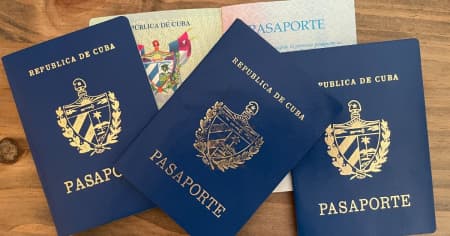
Cubans abroad no longer face the old 24-month countdown that could put their status at risk, and they can now keep Cuban citizenship even if they hold another nationality. The new rules also give people a clearer route to residency through family, work, property, or business ties to the island.
The package, made up of Laws 171, 172, and 173, was published in Extraordinary Official Gazette No. 60 and turns a long-delayed political commitment into an operating legal framework. Cuba’s National Assembly approved the migration law on July 19, 2024, but the text remained unpublished for nearly two years before the May 5, 2026 rollout. Officials said the reform would enter into force gradually.

The sharpest break with the old system is the end of the 24-month limit on time spent abroad. Under the new framework, a person can qualify as having effective migratory residence by spending more than 180 accumulated days in Cuba during a year or by proving family, work, economic, or property ties. That change matters most for emigrants who have kept one foot in Cuba through visits, remittances, property, or caregiving arrangements, but who previously lived under a rule that could sever their connection if they stayed out too long.
The overhaul also introduces new residency categories, including provisional resident and humanitarian resident, and expands the grounds for permanent residency. Officials said the citizenship law recognizes the possibility of holding another nationality without losing Cuban citizenship, though Cubans must still use their Cuban identity in legal acts inside the country.
Property rights for Cubans residing outside the island were spelled out as well. The government said no one loses a home, car, or other property merely for living abroad. That language is likely to matter in mixed-status families and for island-based relatives who have long worried about how migration rules intersect with ownership, inheritance, and return visits.
The state said the new framework was drafted after consultation with 37 state agencies, including consulates and Cubans abroad. Officials also widened the legal scope for emigrants who want to invest or do business on the island, through Decree-Law 117/2026, Decree 150/2026, and Resolution 93/2026, which took effect immediately upon publication.
The overhaul is not a retreat from control. It is Cuba trying to modernize how it defines belonging while keeping a firm hand on who can reside, invest, and act legally on the island. For thousands of Cubans who have built lives outside the country without cutting ties to it, that distinction is the whole story.
This article was produced by Prism’s automated news system from verified source data, official records, and press releases, then run through automated quality and moderation checks before publishing. The system is built and supervised by the people who set the standards it runs under. Read our full AI policy.
Did this article answer your question?