Costa Rica Closes Havana Embassy, Expels Cuban Diplomats Over Rights Abuses
Costa Rica shut its Havana embassy and expelled Cuban diplomats on March 18, citing sustained rights abuses — the second Latin American country to oust Cuban diplomats in two weeks.
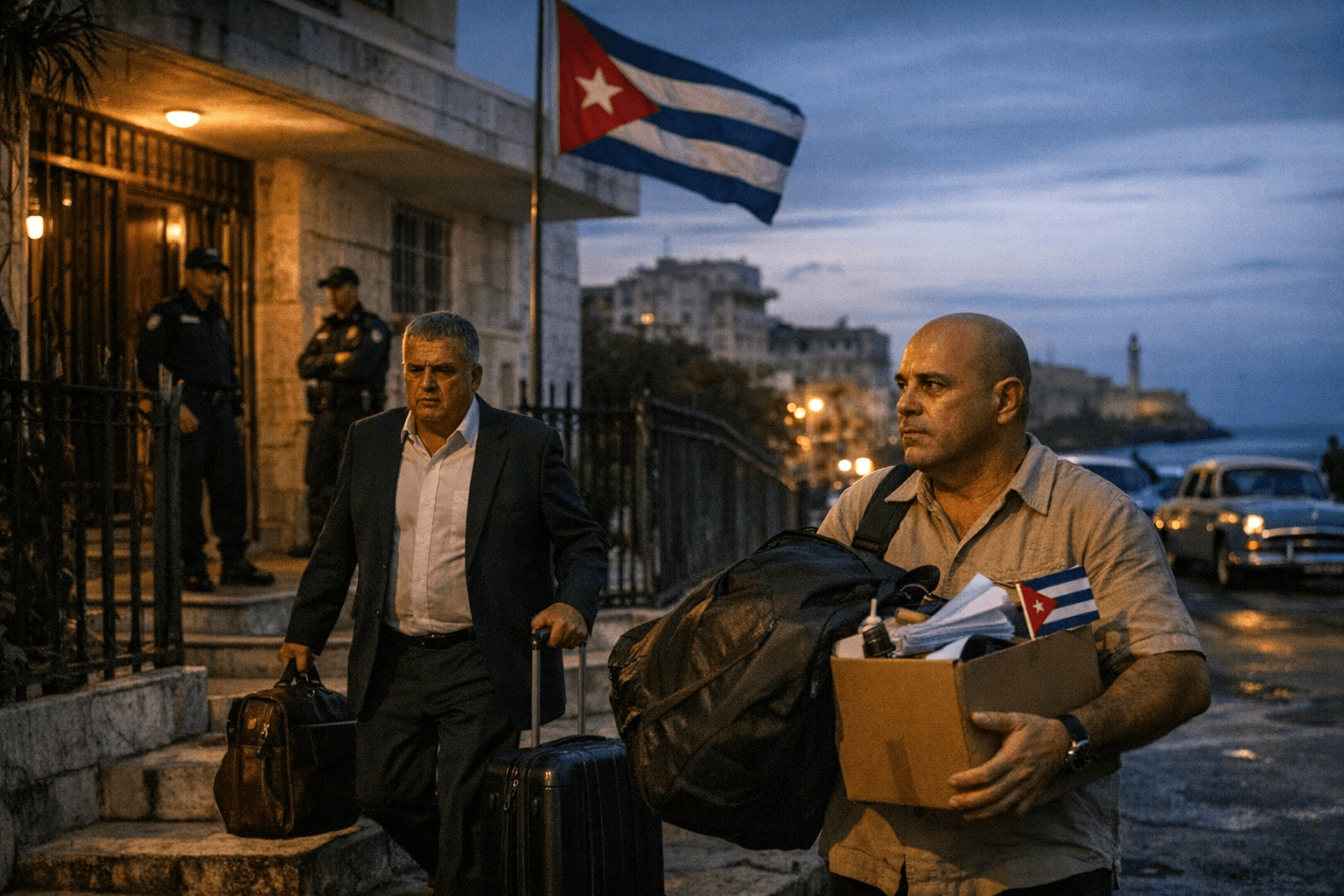
Costa Rica's government shuttered its embassy in Havana and told Cuban diplomats to leave San José on March 18, an abrupt diplomatic rupture that President Rodrigo Chaves punctuated with a blunt declaration: "We have to clean out communists from the hemisphere."
Foreign Minister Arnoldo Andre Tinoco announced the specifics at a press conference, saying Costa Rica had made "the decision to proceed with the closure of the Costa Rican embassy in the Republic of Cuba" and had "requested that the Cuban Foreign Ministry withdraw its diplomatic personnel from the embassy in San Jose, with the exception of consular officials." The carve-out for consular staff was deliberate: Cuba could potentially keep consular personnel in San José to serve its citizens there, but Costa Rica will provide no reciprocal consular services in Havana for its own nationals.
Chaves didn't soften his language when explaining the rationale. "The government of Costa Rica does not recognize the legitimacy of Cuba's communist regime, in light of the mistreatment, repression and undignified conditions to which the inhabitants of that beautiful island are subjected," he said. Tinoco added that the decision reflected "deep concern" about the "sustained deterioration of the human rights situation on Cuba, as well as the increase in acts of repression against citizens, activists and dissidents."
The closure had been quietly building for weeks. According to the Costa Rican government, the Havana embassy had been without diplomatic staff since February 5, 2026, and Tinoco said it was "practically impossible" to appoint Costa Rican personnel who could adequately perform their duties on the island. The government framed the formal closure as a way to "send a strong signal of concern and to encourage changes that would allow for the full restoration of bilateral relations in the future."
Chaves made a point of noting that he had consulted with president-elect Laura Fernandez before acting. Fernandez, described as a conservative politician aligned with Chaves politically, was present at the press conference. When Chaves said she would keep "the same line," cameras caught her nodding.
Havana rejected the move with force. Cuba's foreign ministry called the decision "arbitrary" and issued a statement framing it as capitulation: "Under pressure from the United States, Costa Rica announces the closure of its embassy in Havana and limits relations with Cuba to the consular sphere." The ministry went further, saying it "categorically" rejected Chaves' remarks, accusing him of "grossly" manipulating Cuba's history and of ignoring what it described as "the direct responsibility that the United States' policy of blockade has borne for the worsening of the economic situation and the deterioration of the living conditions of the Cuban people." The Cuban Embassy in the United States echoed that framing in a social media post attributing the move to U.S. pressure.
The accusation carries some geopolitical weight as context, if not as explanation. Costa Rica's leadership is politically aligned with U.S. President Donald Trump, who has escalated rhetoric toward Havana and pressed a punishing energy blockade against the island. Trump said Sunday that the U.S. and Cuban governments are in contact: "I think we will pretty soon either make a deal or do whatever we have to do."
Costa Rica's move is the second time in less than a month that a Cuban diplomatic corps has been expelled or asked to leave a Latin American country. Ecuador expelled Cuba's ambassador, Basilio Gutierrez, on March 4, accusing him of interfering in Ecuador's internal affairs and engaging in "violent activities." That expulsion was itself framed at the time as part of a broader regional shift; Costa Rica's announcement accelerates that pattern.
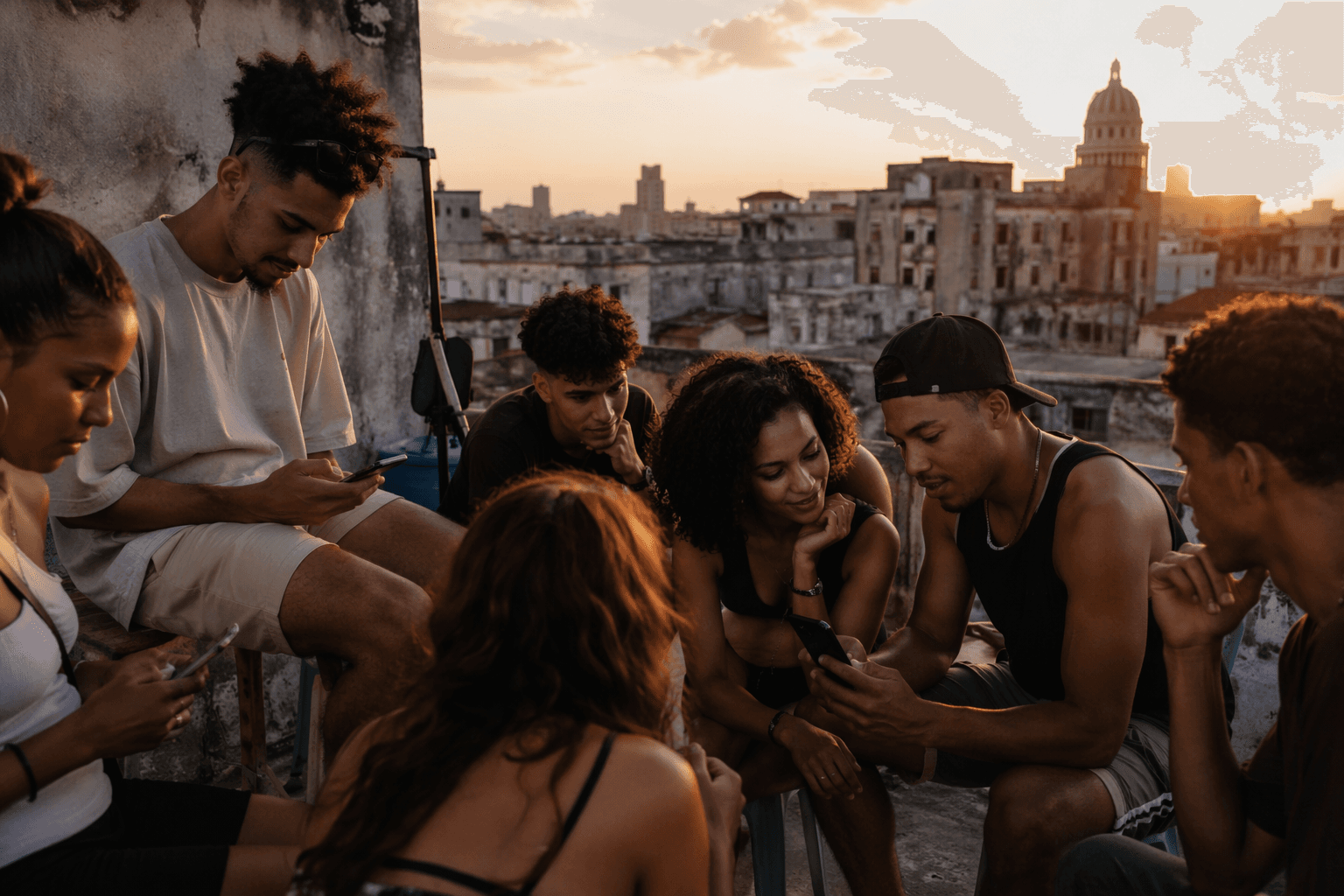
Cuba meanwhile has faced island-wide power blackouts this week and protests the week before, layered on top of ongoing shortages of food, medicine, and basic services that Tinoco cited directly in his remarks.
This article was produced by Prism’s automated news system from verified source data, official records, and press releases, then run through automated quality and moderation checks before publishing. The system is built and supervised by the people who set the standards it runs under. Read our full AI policy.
Did this article answer your question?