Cuba Begins Releasing Prisoners Under Amnesty, But Political Detainees Remain
Cuba freed 2,010 prisoners hours after announcing its largest amnesty in a decade, but rights groups say none of the 1,214 registered political detainees made the list.
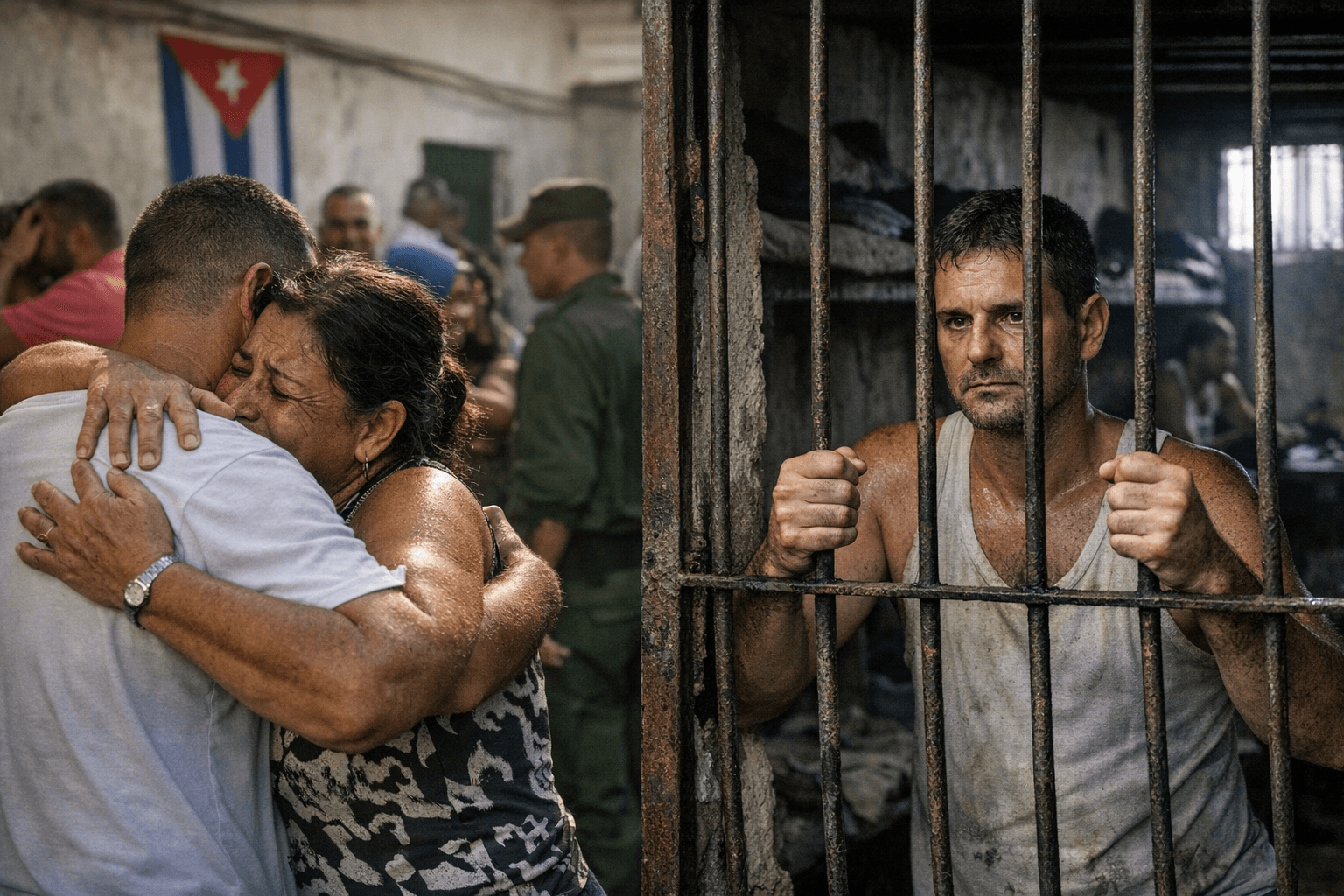
Katia Arias had been waiting at the gates of a detention facility on the outskirts of Havana since Friday morning when her 20-year-old son, Emilio Alejandro Leyva, finally walked out holding a bag and a small document stamped with the word "pardon." He had been jailed for robbery. "It has been so difficult, but today God has given me so much joy," Arias, 43, said through tears. Scenes like hers repeated across Cuba on April 3 as the government followed through almost immediately on a sweeping amnesty announced the day before, releasing 2,010 prisoners in what state-run newspaper Granma framed as a "sovereign and humanitarian gesture" tied to Holy Week.
It is the largest such release in nearly a decade, and the second in less than a month, coming just weeks after Cuba freed 51 people under an agreement brokered with the Vatican. The government described Thursday's announcement as the fifth mass pardon since 2011, putting the cumulative total freed over that span at more than 11,000. But the headline number obscures the central question that Washington and human rights organizations are pressing: are any of Cuba's estimated 1,214 political prisoners among those walking out?
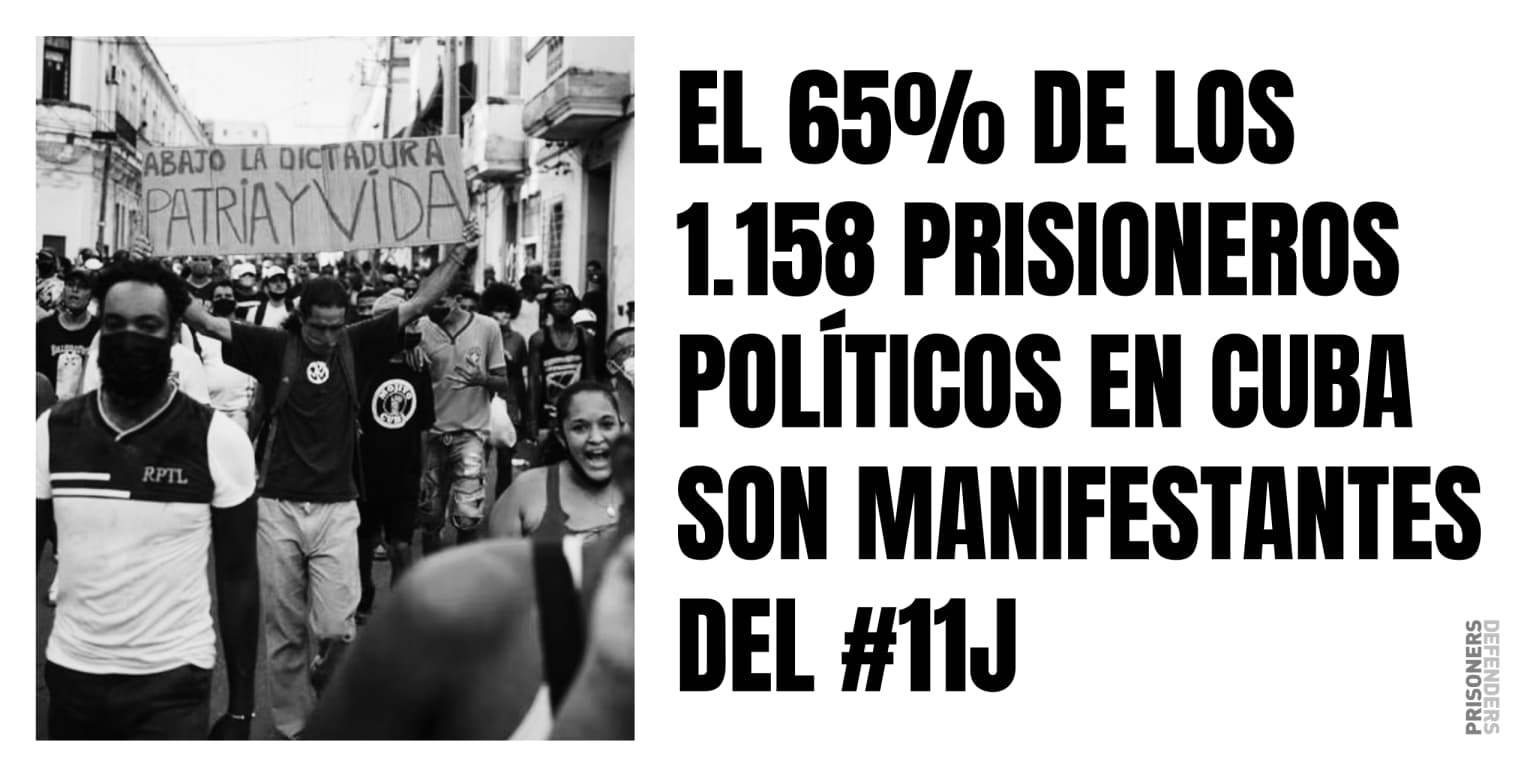
So far, the answer appears to be no. The advocacy organization Prisoners Defended, which maintains a running registry, counted 1,214 people imprisoned for political reasons in Cuba as of February. Human rights groups said Friday they had not seen evidence that any appeared on the release list, and Cuba compounded the opacity by doing what it always does during amnesties: publishing no names. That silence is itself a pressure point. Without a disclosed list, independent organizations cannot cross-reference, families of political detainees cannot know where they stand, and Washington cannot verify compliance.
Manuel Cuesta Morúa, who leads the Council for Democratic Transition in Cuba, the island's main opposition platform, put it directly: "The government presents it as a humanitarian gesture toward prisoners, not as the release of political prisoners. By doing so, it mixes things up to avoid giving the impression that it recognises political imprisonment in Cuba."
The U.S. government watched the releases closely and did not hide its skepticism. "It is unclear how many, if any, political prisoners will be released," a U.S. spokesperson said Friday. "We continue to call for the immediate release of the hundreds of other brave Cuban patriots who remain unjustly detained."
What is not in dispute is the pressure producing these gestures. The Trump administration has enforced a crippling oil blockade against Cuba, working to cut off the fuel imports the island depends on for vehicles and power generation. Cuba's electricity crisis, already severe before the blockade tightened, has grown worse as power plants run low on fuel. Trump has spoken openly about wanting to "take Cuba," and Secretary of State Marco Rubio has long called for dismantling its communist leadership. The amnesty announcement coincides with what multiple observers called the most intense U.S. pressure campaign in decades.
Havana insists its decisions are sovereign. Abel Tamayo, convicted of bribery in 2024 and freed Friday, offered a more optimistic read from the prison gates: "This shows they are open to everything, open to dialogue, to national unity." But the political prisoners behind those same walls, the July 11 protest convicts, the journalists, the activists tracked by Prisoners Defended, are still waiting for their names to appear on a list that Cuba has not published.
The March release of 51 offered a cautionary precedent: monitoring organizations noted afterward that only 22 of those freed had cases with political dimensions. The gap between the announced gesture and the verified reality is where the leverage actually lives, and both sides know it.
This article was produced by Prism’s automated news system from verified source data, official records, and press releases, then run through automated quality and moderation checks before publishing. The system is built and supervised by the people who set the standards it runs under. Read our full AI policy.
Did this article answer your question?