Cuba brings back floating power ships as grid crisis deepens
Belgin Sultan and Erol Bay are back with 124 MW, but Cuba’s March blackouts and scarce fuel show how thin the margin really is.
Two Turkish floating power ships are back in Cuba’s energy fight, but the return of Belgin Sultan and Erol Bay looks more like breathing room than rescue. Cuba’s Ministry of Energy and Mines said the two units have a combined installed capacity of 124 megawatts and were expected to start generating in the second half of April.
That capacity lands against a grid that has already lurched through repeated failures this month. Cuba suffered an island-wide blackout on March 16 that cut power to roughly 10 million people, and the energy ministry later said the national system had suffered another total collapse in March. For a country trying to keep homes, hospitals, and public services running, 124 megawatts is real help, but it is still a narrow patch on a much larger hole.
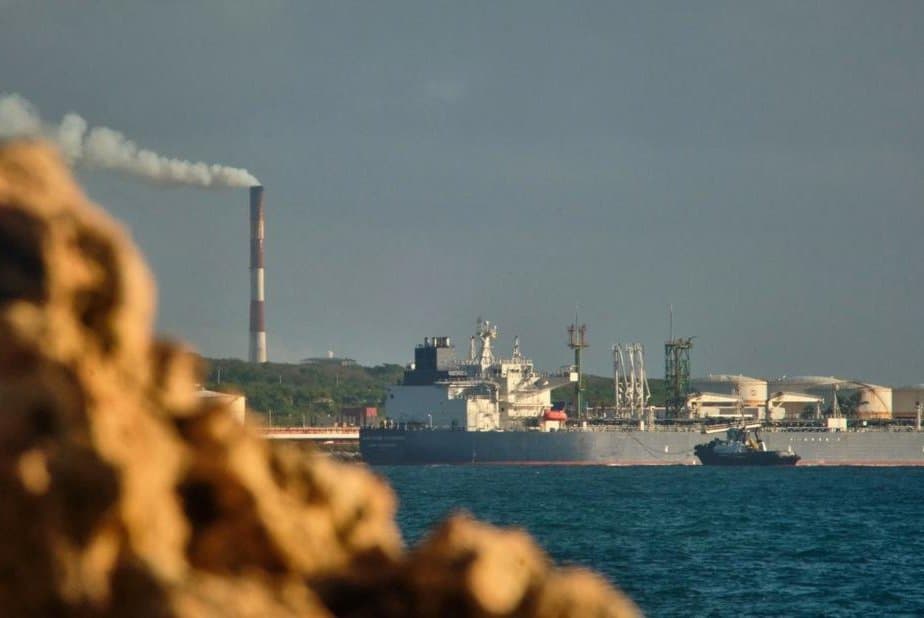
The ships are arriving alongside another reminder of how fragile the fuel supply has become. Reuters reported that the Russian-flagged tanker Anatoly Kolodkin delivered about 700,000 barrels of crude to the Matanzas terminal on March 31, the first significant oil shipment to Cuba in about three months. That shipment matters because the floating plants, like the rest of the island’s generation mix, need fuel and a steady supply line to stay on.
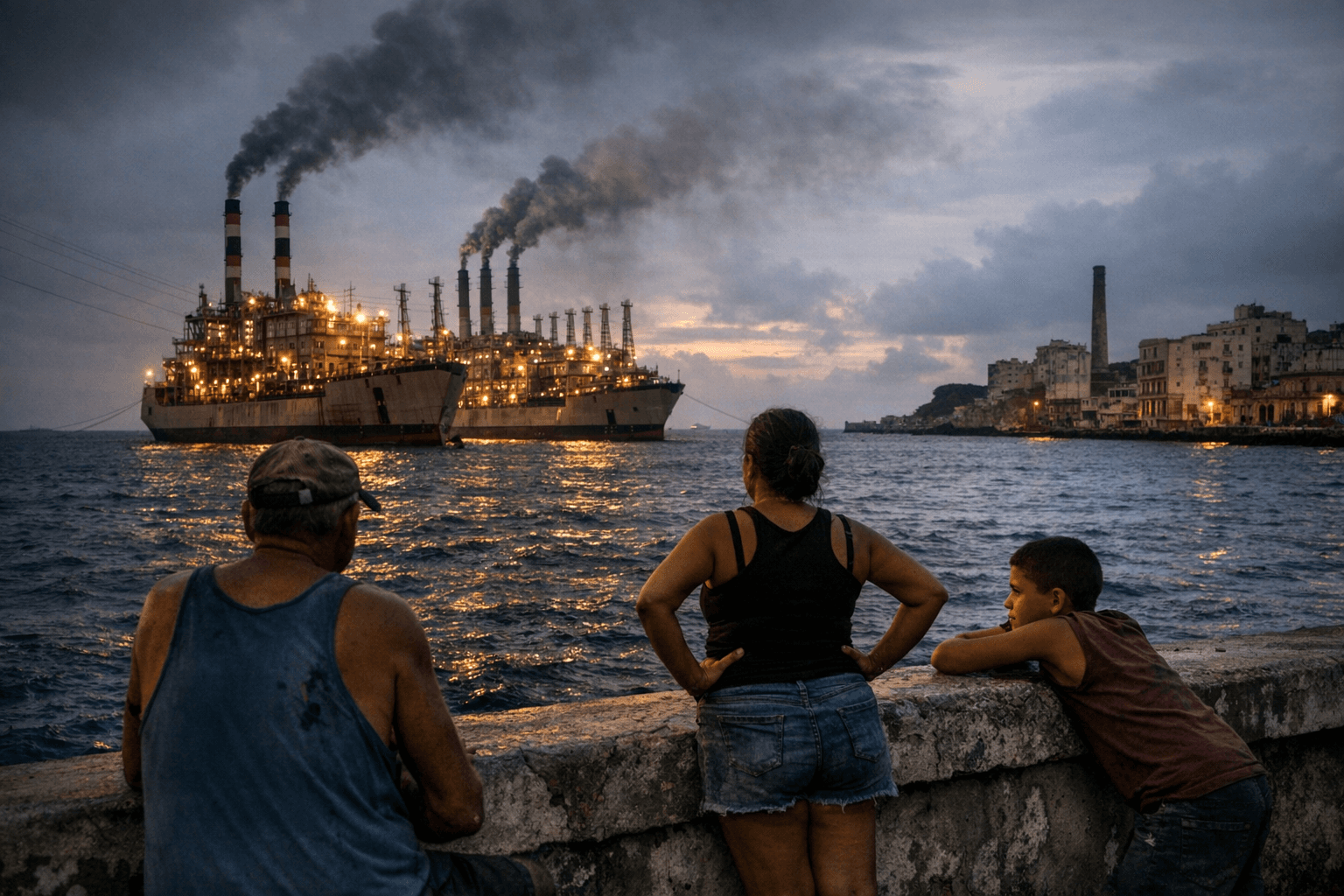
Karadeniz Holding, the Turkish company behind the ships, has described the return as a resumption of existing operations rather than a fresh investment. In its own framing, the power is humanitarian because it helps cover basic needs. On the ground, though, the question is whether the ships can actually shave outage hours or simply buy the grid time until the next fuel delay, the next breakdown, or the next collapse.
Cuba is also betting on solar power to reduce its dependence on emergency generation. The energy ministry says 72 solar parks with 226 megawatts of capacity have already been built, and it has said 92 solar parks totaling 2,000 megawatts are planned by 2028. The United Nations warned on April 6 that Cuba faces a worsening humanitarian crisis tied to prolonged energy shortages and the damage from Hurricane Melissa. That makes the floating plants look less like a solution than a test of how long the island can keep stitching together power from ships, fuel imports, and new solar fields before the next breakdown hits.
This article was produced by Prism’s automated news system from verified source data, official records, and press releases, then run through automated quality and moderation checks before publishing. The system is built and supervised by the people who set the standards it runs under. Read our full AI policy.
Did this article answer your question?