US fuel curbs deepen Cuba tourism slump, arrivals plunge sharply
Jet fuel shortages hit nine airports, including Havana, and Cuba lost 112,642 visitors in two months as airlines cut flights and hotels went quiet.
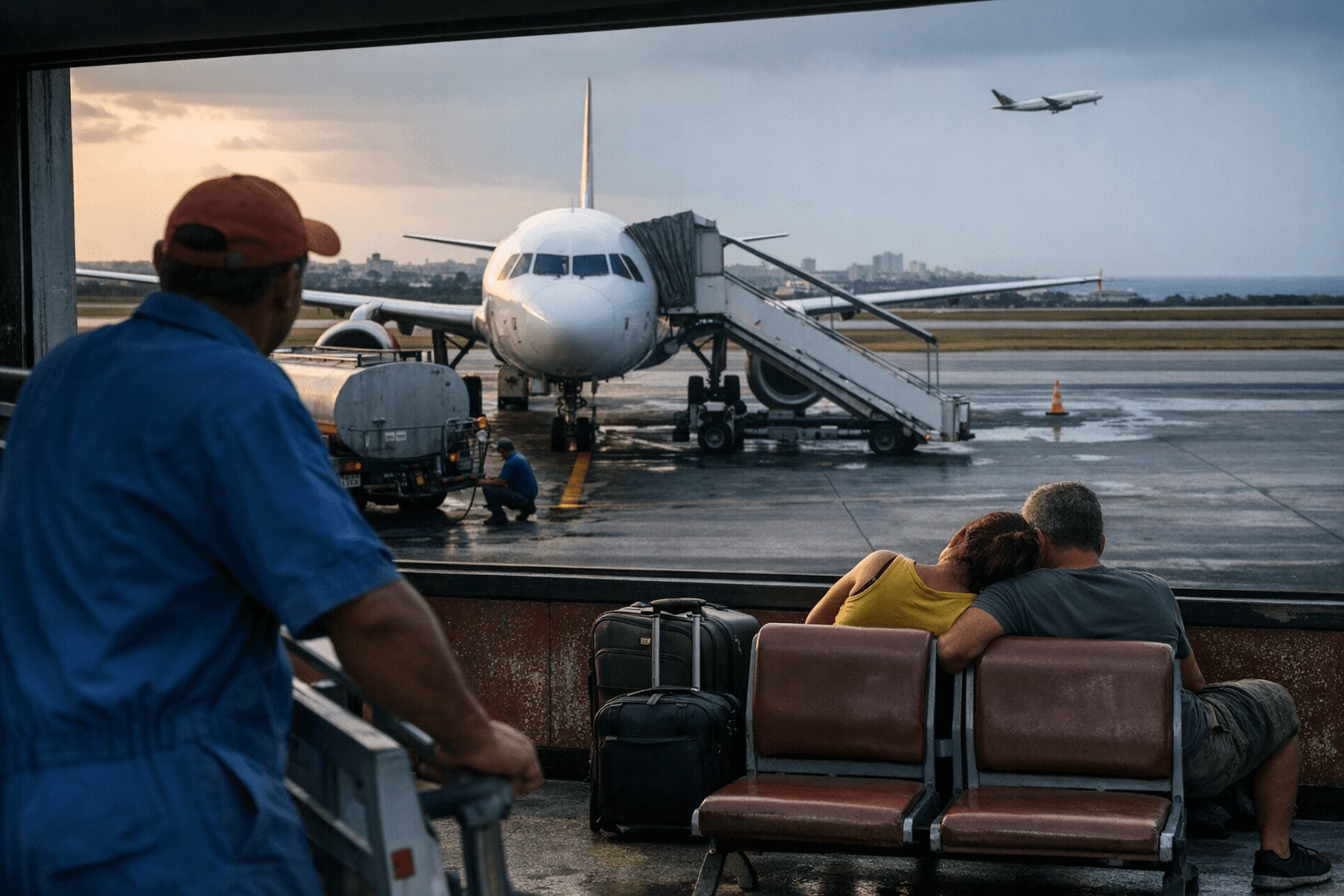
Fuel restrictions from the United States hit Cuba’s tourism machine at its weakest point, cutting into airline refueling, thinning flight schedules and leaving Havana with fewer visitors, emptier restaurants and more shuttered hotels. In the first two months of 2026, the island lost 112,642 international visitors compared with the same stretch a year earlier, and February arrivals plunged 56.6 percent from February 2025, a collapse Cuba’s own tourism data framed as the worst season in two decades.
The disruption became visible on February 9, when Cuba warned airlines that jet fuel would not be available at nine airports, including José Martí International Airport in Havana, from February 10 through March 11. That warning followed a stretch in which more than 1,700 flights were canceled during the peak season, while carriers including Air Canada, WestJet and Transat reduced or suspended service. For a destination built around tight flight connections and short-stay bookings, the cuts hit immediately: fewer transfers, fewer excursions and fewer foreign faces on streets that once pulsed with tourists.
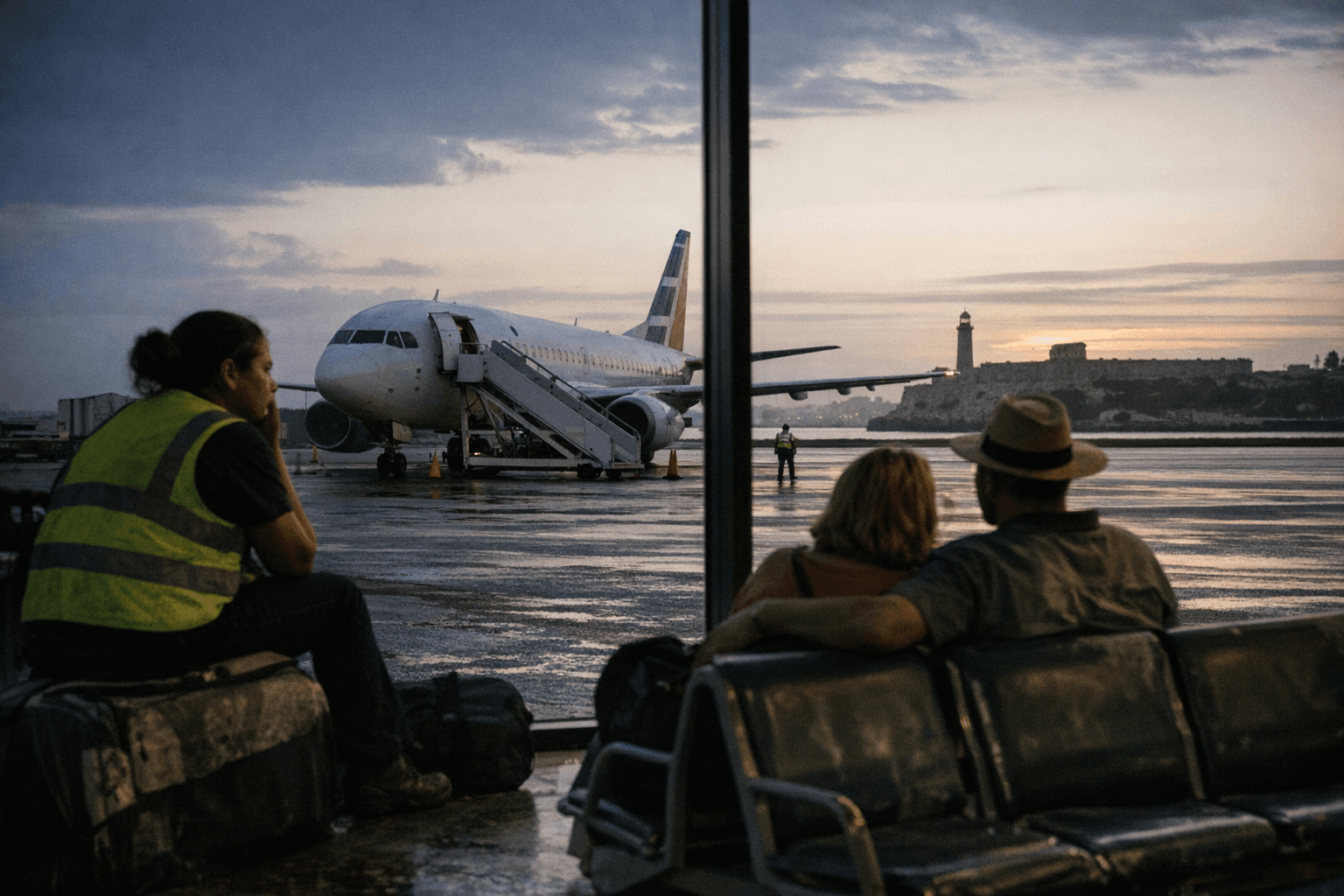
Official figures show how fast the decline gathered pace. The National Office of Statistics and Information said Cuba received 262,496 international visitors in January and February combined, compared with 375,138 in the same period of 2025. By February 2025, the island had already welcomed 374,267 international visitors out of 496,858 total travelers. The latest slump leaves Cuba far below its pre-pandemic scale and still nowhere near the 4.7 million visitors it drew in 2018, the benchmark that continues to haunt tourism planners and hoteliers.
The damage has spread beyond balance sheets. Cuba’s tourism sector has long been one of the country’s most valuable sources of hard currency since the post-Soviet collapse, and it has also been one of the few paths to better pay for university students with foreign languages. That pipeline is narrowing as power outages stay frequent, generators struggle because fuel is scarce, and some hotels and institutions cannot keep backup systems running for long. The U.S. Embassy in Havana has said Cuba’s electrical grid has become increasingly unstable, with daily outages and fuel shortages affecting transport and gasoline lines, while the State Department continues to warn that large parts of the island remain exposed to blackouts and fuel stress. The result is a tourism model under pressure from the runway to the hotel lobby, with Havana feeling it first.
This article was produced by Prism’s automated news system from verified source data, official records, and press releases, then run through automated quality and moderation checks before publishing. The system is built and supervised by the people who set the standards it runs under. Read our full AI policy.
Did this article answer your question?