Cuba’s transport collapse turns bus terminals into markets, fares soar
Cuba’s intercity transport has become a gamble of waits, detours and shock fares, with terminals repurposed and trips now competing with fuel for survival.
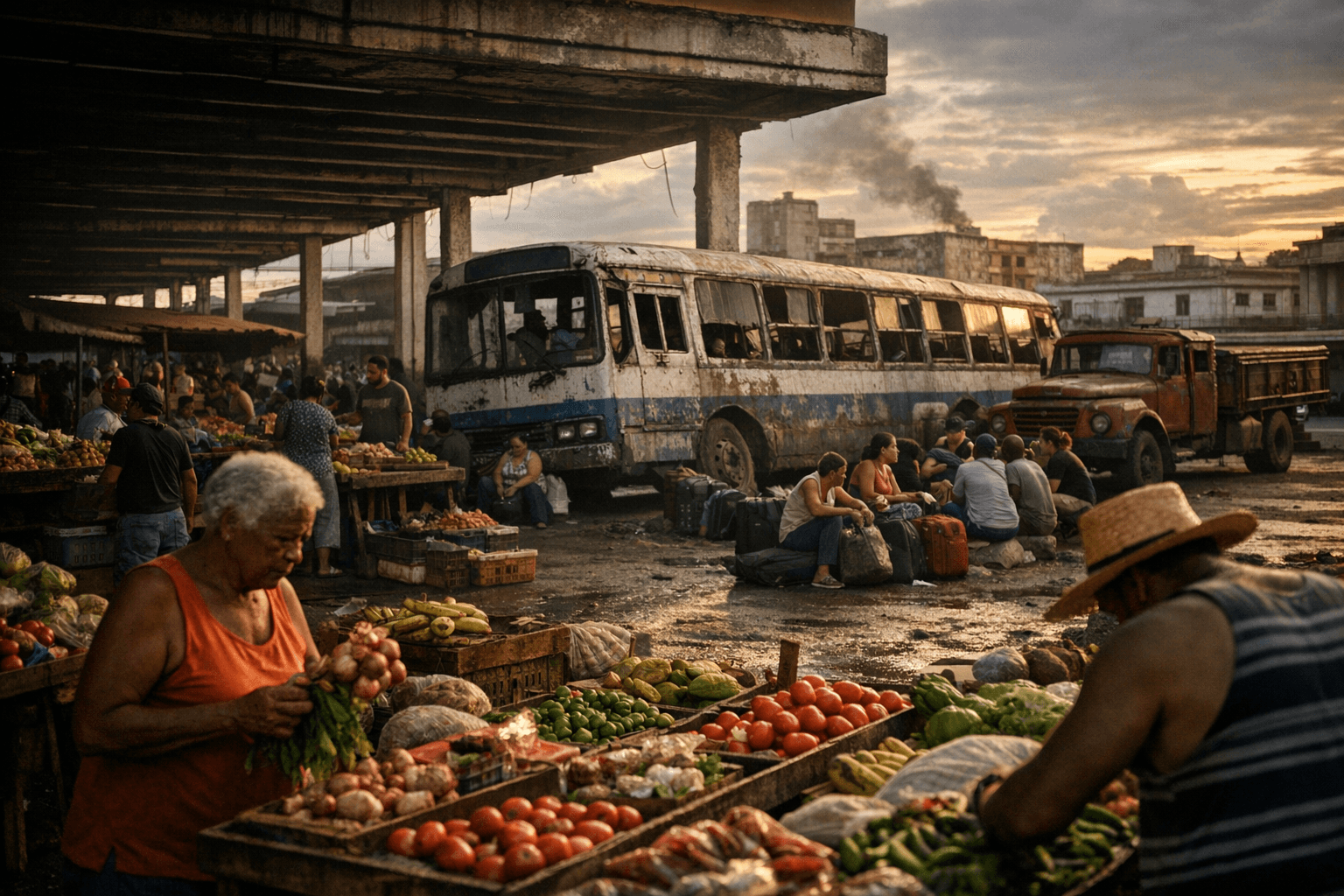
Camagüey’s bus terminal now tells the story before the first ticket is sold. The largest hall of the intermunicipal station has been turned into a market, with old traveler benches replaced by stalls and the information booth turned into a cafeteria. That is not a cosmetic change. It is the clearest sign that routine movement across Cuba has thinned so badly that one of the country’s key transport hubs has largely stopped functioning as a bus station.
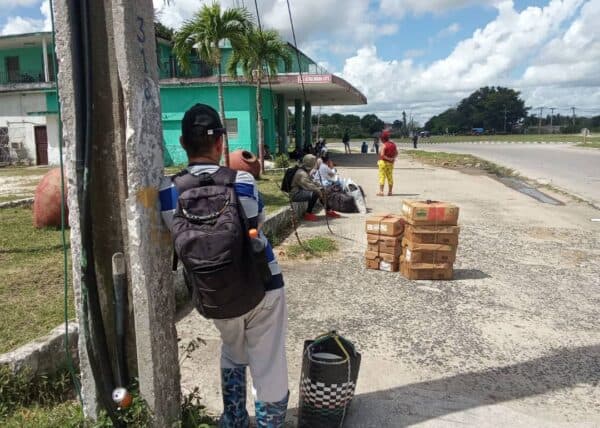
The real departures now happen somewhere else. In Camagüey, passengers have long since shifted to improvised boarding points near the oncology hospital, the Libertad gas station and the national bus terminal. Private truckers and leased buses prefer those corners because they can avoid inspections and the extra friction of the state terminal. The result is a mobility network built on improvisation: informal pickup points, scarce departures, and no guarantee that the vehicle you are waiting for will show up at all.
What remains on the roads is there, but barely. Privately owned trucks and a small number of state buses still operate, yet the schedules are sparse and unreliable. One vendor in Camagüey remembers a time when there were many more options, including buses from several towns and even trains at the end of the day, but says that now even finding a private truck is difficult. That contrast is the heart of the crisis map: a trip that once fit into a known timetable now starts with uncertainty and often ends with a long wait and a higher bill.
The fare shock is now impossible to miss. Private truck and leased-bus tickets have quintupled, according to the report, and one Havana-to-Santiago trip topped 25,000 pesos, or about 50 dollars on the informal exchange market. On an island where wages and prices rarely move in step, that kind of jump does more than squeeze budgets. It changes who can travel, who can return home, who can reach work, and who simply stays put because the road has become unaffordable.
This is not just a transport story. It is the fuel crisis speaking through the bus terminal. United Nations officials say Cuba has gone more than three months without enough fuel, and they describe the shock as systemic, hitting transport, health care, water, education and telecommunications at once. OCHA’s revised response plan aims to support about 2 million people, roughly one in five Cubans, which shows how far the disruption has spread beyond the roads themselves.
Recent fuel relief has barely dented the pressure. Cuba received a 730,000-barrel crude shipment on April 2, 2026, but ReliefWeb and OCHA said that amount covers only about nine to ten days of demand. In other words, one shipment can slow the collapse, but not reverse it. The broader pattern remains the same: reduced fuel imports have pushed operators to cut services, space out departures and pass the cost down to passengers.
The damage reaches well beyond buses. UN reporting says more than 50,000 surgeries were postponed in February alone because of energy shortages, while aid deliveries have been slowed and made more expensive. Dozens of containers remain at Havana’s port as fuel scarcity delays the movement of assistance, and UN sources say shortages are disrupting water treatment, cold-chain systems and health-service delivery across the island. When the port, hospitals and transport network are all under strain at the same time, city-to-city travel becomes part of the same emergency.
The Ministry of Transportation’s response has not matched the scale of the problem. The report describes an initial approach centered on canceling routes, refunding unusable tickets and advising people not to travel. That may sound administrative, but on the ground it is a blunt admission that the system cannot reliably deliver the service it is supposed to provide. For travelers, workers and families trying to move between Havana, Santiago de Cuba and the rest of the island, the message is clear: plan for disruption, not schedules.
The international warning now reflects what Cubans already know from daily life. As of April 11, 2026, the UK Foreign, Commonwealth & Development Office advised against all but essential travel to Cuba, citing ongoing travel disruption. That warning lines up with the reality in places like Camagüey, where a terminal has become a market and the bus network has been pushed into the margins. Moving across Cuba is no longer a routine function of transport policy. It is one more test of endurance in a system nearing paralysis.
This article was produced by Prism’s automated news system from verified source data, official records, and press releases, then run through automated quality and moderation checks before publishing. The system is built and supervised by the people who set the standards it runs under. Read our full AI policy.
Did this article answer your question?