Cuba Debuts Highest-Value Banknotes Featuring Two Female National Heroes
Cuba put women on its banknotes for the first time, issuing 2,000 and 5,000-peso notes as the peso loses nearly half its value against the dollar in a single year.
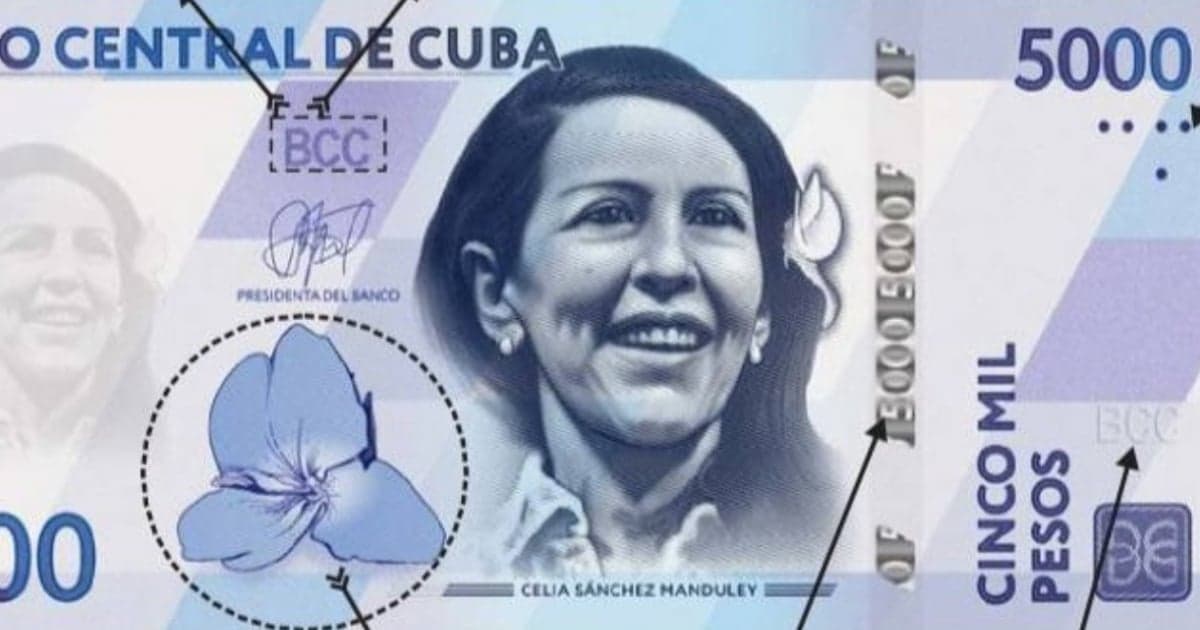
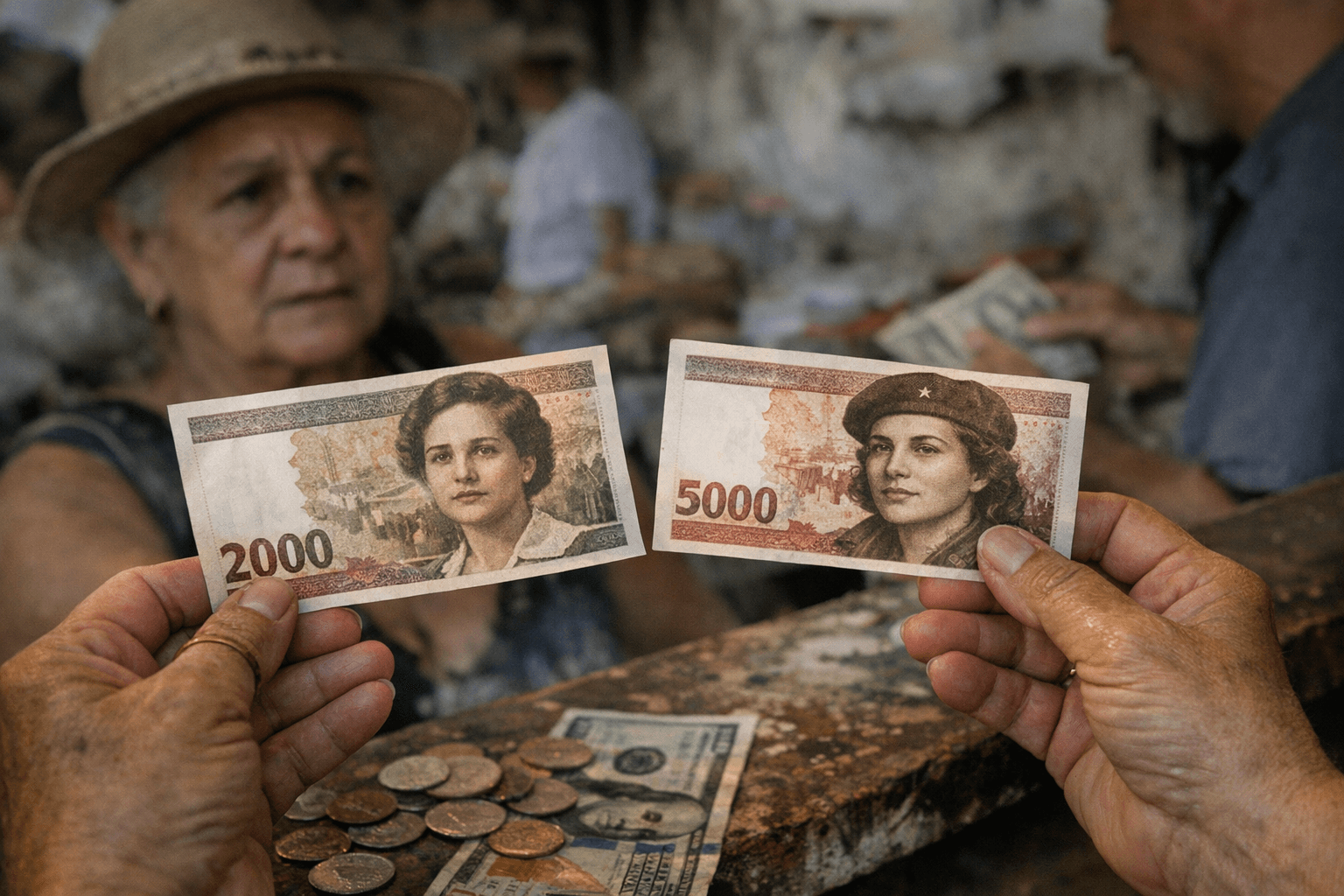
A liter of cooking oil in Cuba's informal market now costs between 1,400 and 1,500 pesos. Until last week, the highest-denomination bill in circulation was the 1,000-peso note, worth less than two dollars at the prevailing street rate of around 510 pesos to the dollar. Cuba's Central Bank began closing that gap on March 31, 2026, putting two new high-denomination notes into circulation: a violet-and-pink 2,000-peso bill worth roughly $4 and a blue 5,000-peso note worth approximately $10 at informal exchange rates. To put that in sharper relief, a 10-pound package of chicken now runs 4,000 pesos or more on the open market, meaning the new highest-denomination note still falls short of a single chicken purchase.
The rollout also marks a first in Cuban monetary history. Both new notes feature women, a distinction no Cuban banknote series has carried before. The 2,000-peso note showcases Mariana Grajales Cuello, known as the "Mother of the Homeland," a 19th-century patriot and mother of several heroes of Cuba's wars of independence. The 5,000-peso note in blue depicts Celia Sánchez, a guerrilla fighter who became a close collaborator of former President Fidel Castro.
The new notes will "facilitate cash transactions, respond to the real needs of an economy that demands large amounts of cash, reduce the costs of cash logistics, and improve operational efficiency during the current period of inflation," according to the Central Bank. That language doubles as an acknowledgment of how far the peso has fallen. The 1,000-peso note, previously the highest denomination, currently holds a value of less than two dollars on the informal market, where the peso trades at 510 CUP per dollar, a 47.8 percent depreciation from the 345 CUP per dollar rate in March 2025. Annual inflation closed last year at 14 percent, according to official figures, a number that bears little resemblance to what Cubans encounter at informal markets.
Analysts and independent observers note a structural problem with the remedy. Higher denominations ease the physical and logistical burden of large cash transactions, sparing residents from counting out thick stacks of 100- and 200-peso notes for a single purchase. They do not address the import shortfalls, energy constraints, and supply disruptions that push prices upward in the first place. Issuing larger bills normalizes higher price levels; it does not reduce them.
The new banknotes include a vertical security thread with movement effects, a watermark of the featured patriot, and a rainbow motion effect on the national flower image when viewed at different angles. Each note also includes an electrotype indicating the denomination, and the notes are printed with high-relief techniques on special security paper. National monuments appear on the reverse of each note. Distribution started in Havana and is expanding nationally, though ATMs and exchange counters outside the capital may take time to be stocked with the new denominations. Travelers and foreign businesses handling cash in Cuba should confirm acceptance at specific points of exchange, and account for the substantial gap between the official exchange rate and the informal market rate that governs most daily commercial activity.
For banknote collectors, the two notes represent a clean break in Cuban numismatic history. No previous Cuban series has depicted women, making uncirculated first-issue specimens from the initial Havana distribution an immediate target for anyone tracking gender representation in sovereign currency design. The high-relief portrait printing gives both notes a tactile quality absent from earlier Cuban issues, and the historic nature of the series will only sharpen with time.
Cuba has now issued its third upward denomination adjustment in roughly a decade, each one a direct response to inflation eroding the utility of the existing top note. Placing Mariana Grajales and Celia Sánchez on those new bills is a genuine milestone in how the Cuban state chooses to represent its own history. The pressure that made the milestone necessary has not gone away.
This article was produced by Prism’s automated news system from verified source data, official records, and press releases, then run through automated quality and moderation checks before publishing. The system is built and supervised by the people who set the standards it runs under. Read our full AI policy.
Did this article answer your question?