Cuba Denies Political Prisoner Saylí Navarro Family Visits, Cites Fuel Shortage
Saylí Navarro has been denied at least three consecutive family visits at La Bellotex prison, with staff citing fuel shortages while security operations continue uninterrupted.
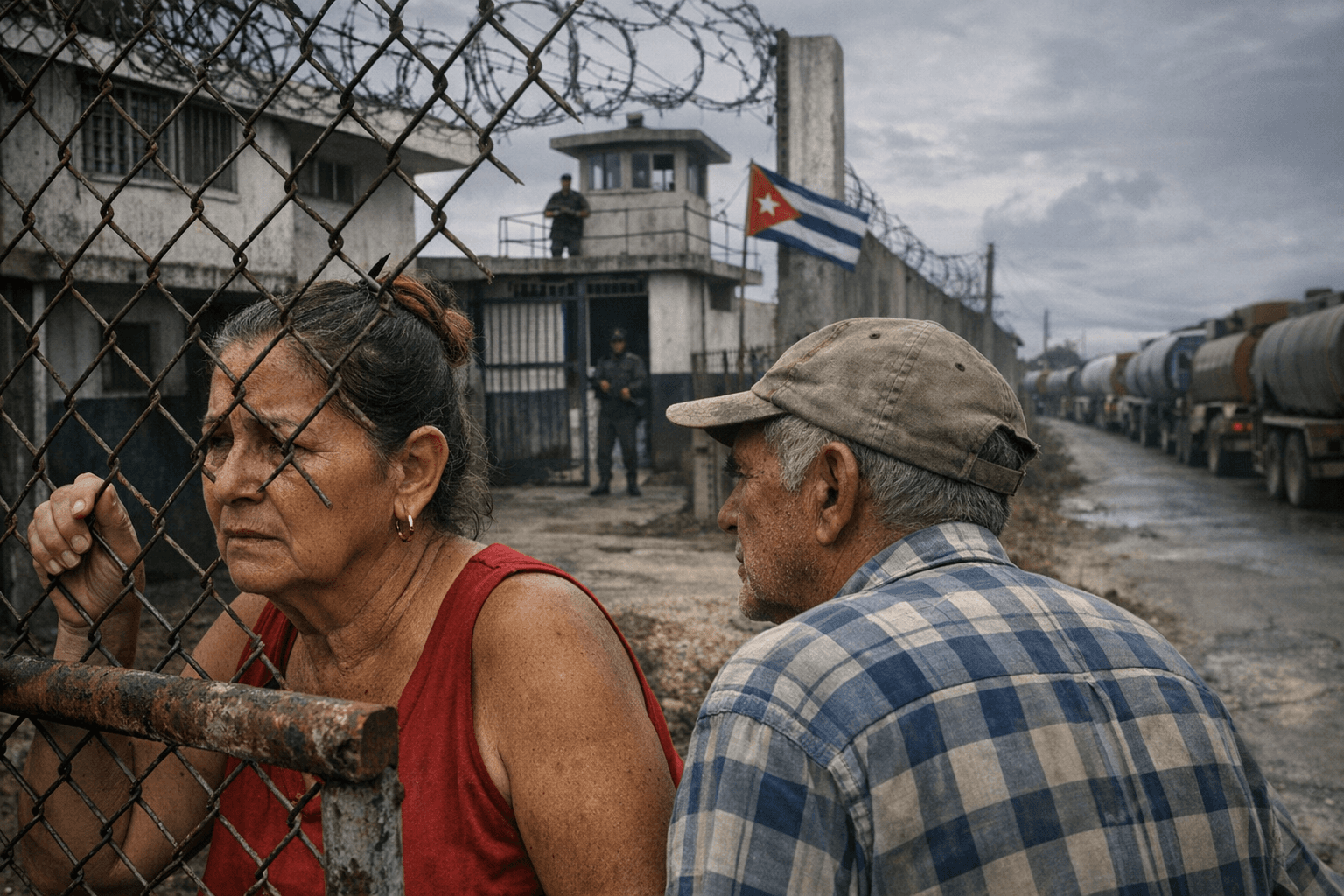
For at least three consecutive 45-day cycles, Cuban authorities at La Bellotex prison in Matanzas have blocked family visits to political prisoner Saylí Navarro, leaving her mother, Sonia Álvarez Campillo, without direct access to her daughter and without meaningful recourse.
Álvarez Campillo brought the complaint to the Cuban Observatory of Human Rights (OCDH), describing a pattern in which prison staff cited the country's fuel crisis to justify canceling the transfers required for a family visit. According to the family's account, officials told Saylí directly that "they had no fuel to take anyone anywhere due to the situation with fuel."
The mother rejected that reasoning. She pointed out that fuel continues to reach patrol vehicles and security transports, arguing that the same government claiming it cannot move a prisoner for a legally entitled family visit manages to sustain the operational machinery of surveillance and repression. The contradiction, she said, made the fuel excuse impossible to accept.
Saylí Navarro was arrested on July 12, 2021, in the aftermath of the historic mid-July protests that swept the island that summer. She was subsequently sentenced to eight years in prison on charges officially classified as "assault." Her case has been defined throughout by contested judicial proceedings, repeated denials of reduced-security arrangements, and a series of family complaints about restricted access and mistreatment.
Her father, Félix Navarro, is himself a political prisoner, held at Agüica prison, also in Matanzas province. The denied visit was not simply a matter of a daughter and her mother: it was the blocked reunion of two members of the same family, both incarcerated, both flagged by Cuban human rights organizations as prisoners of conscience.
Under Cuban law, prisoners are entitled to regular family visits. The denial of at least three consecutive 45-day windows amounts to months of blocked contact, a period human rights monitors say is long enough to make it impossible for families to assess a prisoner's physical condition or treatment.
Human rights organizations have long argued that Cuba uses the mechanics of prison administration, including visit restrictions, security reclassifications, and transfer delays, selectively against detainees whose cases draw international scrutiny. The fuel shortage, which has disrupted public transportation, electricity, and basic services across the island, has provided authorities with a ready-made justification for a broad range of operational failures. Critics, including Álvarez Campillo, contend the energy crisis is being applied unevenly: as a hard ceiling when it comes to prisoner rights, and as no obstacle at all when it comes to security operations.
Saylí Navarro has now been held for nearly five years. Her eight-year sentence runs well beyond the current energy crisis and the current diplomatic standoff between Havana and Washington. For Álvarez Campillo, the fuel excuse is not an explanation; it is simply the latest obstacle placed between a mother and her daughter.
This article was produced by Prism’s automated news system from verified source data, official records, and press releases, then run through automated quality and moderation checks before publishing. The system is built and supervised by the people who set the standards it runs under. Read our full AI policy.
Did this article answer your question?