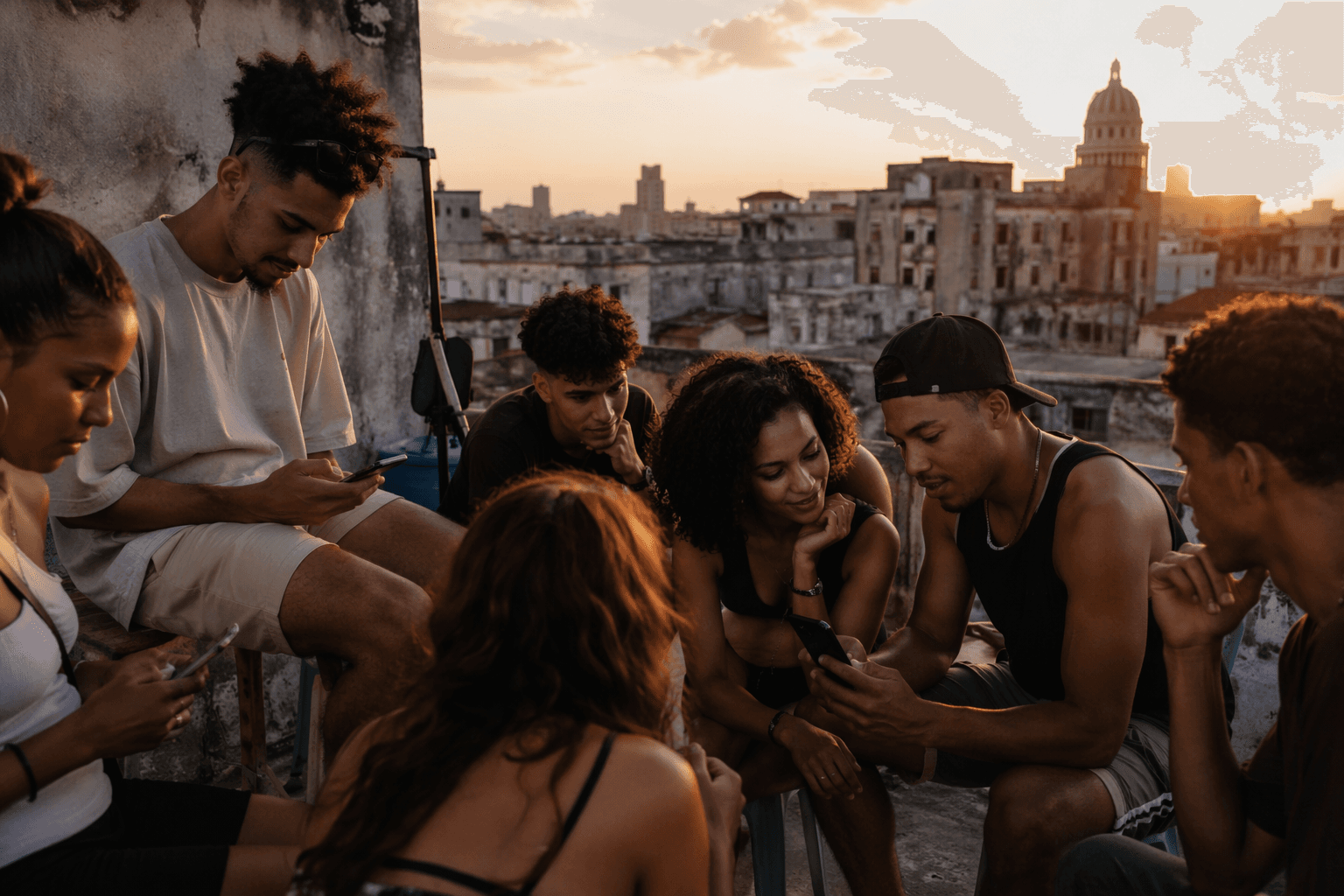
Democratic Lawmakers Visit Cuba, Urge White House to Ease Pressure
Two-pound premature infants on failing ventilators: a Democratic delegation just returned from Havana demanding Trump's fuel blockade end now.
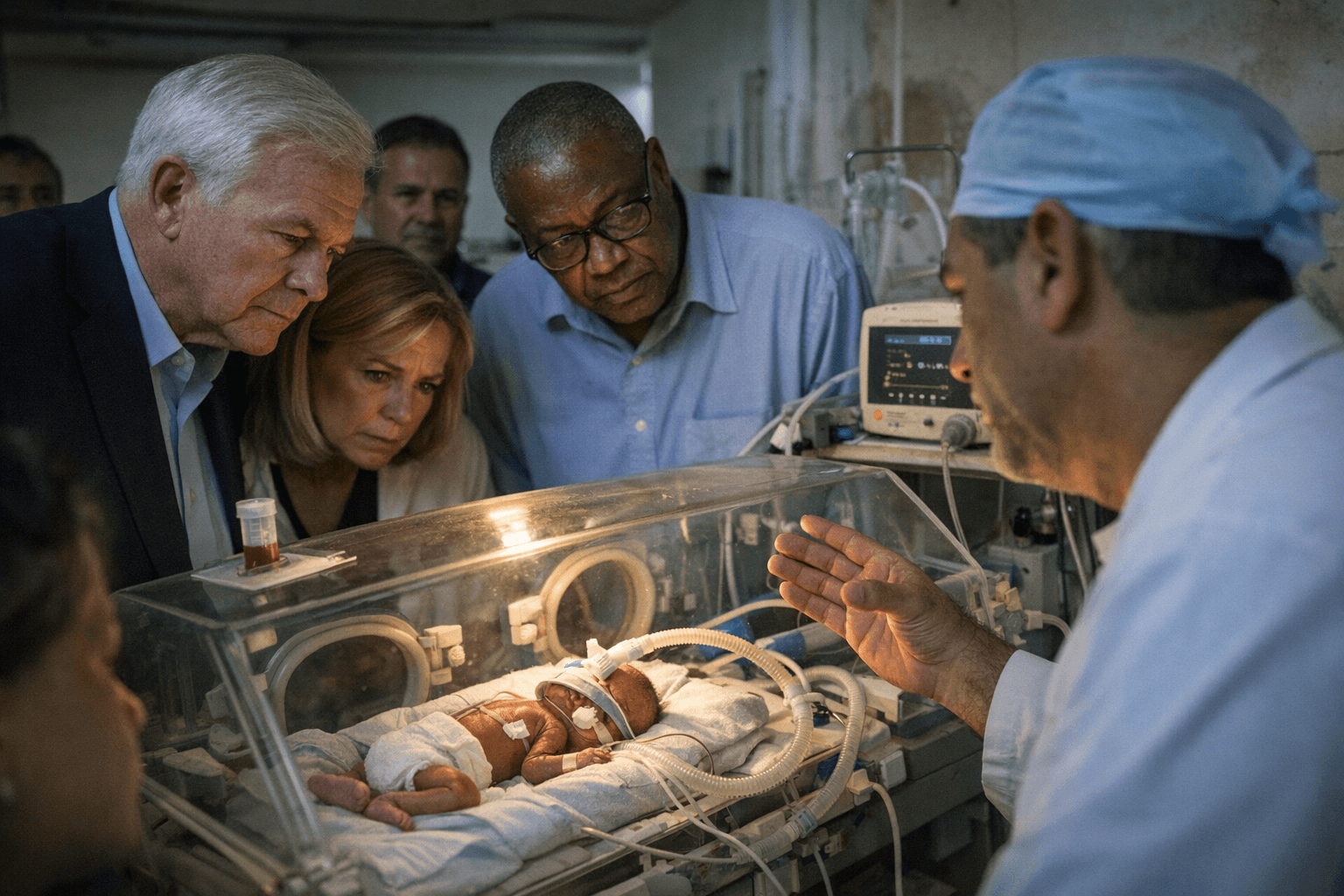
Premature infants weighing two pounds each lay in Havana hospital incubators whose ventilators could not reliably run because the power kept cutting out. Reps. Pramila Jayapal and Jonathan Jackson came home from a five-day congressional delegation to Cuba with that image burned into the record. "We witnessed firsthand premature babies in incubators, weighing just two pounds, who are at tremendous risk because their ventilators and incubators cannot function without electricity," the two Democrats said in a joint statement issued April 5 after the conclusion of their trip.
The delegation, which also included Rep. Ilhan Omar of Minnesota, ran April 1 through 5 and included meetings with President Miguel Díaz-Canel, Foreign Minister Bruno Rodríguez, Cuban legislators, ambassadors from Latin America and Africa, religious leaders, entrepreneurs and dissidents. Díaz-Canel, who publicly described U.S. policy as "criminal damage," released more than 2,000 prisoners during the visit. The Cuban government also signaled openness to further economic liberalization, including allowing Cuban American entrepreneurs to invest in private businesses on the island.
The policy driving the conditions the lawmakers documented is Executive Order 14380, signed January 29, 2026, which declared a national emergency and authorized tariffs on any country that directly or indirectly supplies Cuba with oil. The order forced Mexico to halt shipments and deepened Venezuela's already-interrupted deliveries. For more than three months, according to the lawmakers' statement, not a single drop of oil reached the island. The practical machinery is specific: tanker operators face secondary tariff exposure that makes insurers unwilling to cover Cuba-bound voyages, effectively turning shipping risk into a chokepoint. A Russian vessel carrying around 700,000 barrels of crude finally docked at Cuba's Matanzas terminal last week after the Trump administration issued a one-time humanitarian waiver, handling such decisions on a case-by-case basis.
Jackson, speaking to reporters at a privately owned hostel near Havana's Malecón waterfront, was direct: "This is the most sanctioned part of Planet Earth right now, just 90 miles off our shores. Let's bring the rhetoric down. People are suffering. And they are suffering for no good reason." The consequences the delegation catalogued include three nationwide blackouts across Cuba in March alone, an estimated 96,000 Cubans waiting for surgery including 11,000 children, hospitals suspending procedures due to shortages of syringes and antibiotics, and children missing school because there is no fuel for buses or teachers' commutes.
Jayapal described her meetings with Cuban officials as "the beginnings of dialogue" but was careful not to oversell them: "I don't think it's reached the state of negotiation that we were told. But I think there is a desire to ensure that there is a real negotiation about what needs to happen in order for the situation to change."
Whether the delegation's appeal shifts any of the specific levers, tanker insurance waivers, remittance channels and licensing exemptions, is the harder question. The Trump administration has treated case-by-case humanitarian waivers as its maximum concession, and the three lawmakers represent the progressive wing of a party that holds no executive power. Their joint statement declared: "Across all sectors, there is agreement: this illegal blockade must end immediately." The machinery enforcing it, however, still runs at full pressure.
This article was produced by Prism’s automated news system from verified source data, official records, and press releases, then run through automated quality and moderation checks before publishing. The system is built and supervised by the people who set the standards it runs under. Read our full AI policy.
Did this article answer your question?