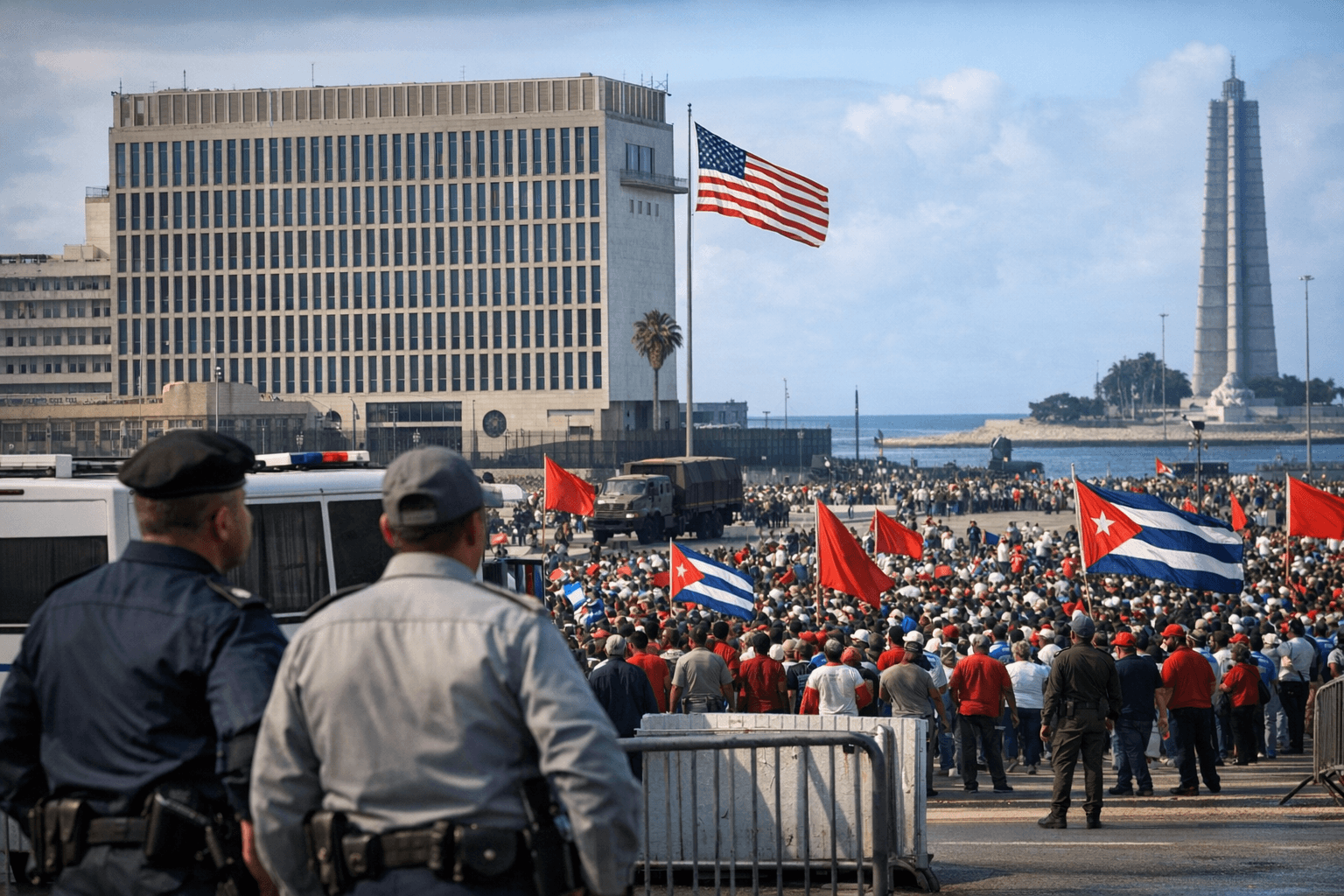
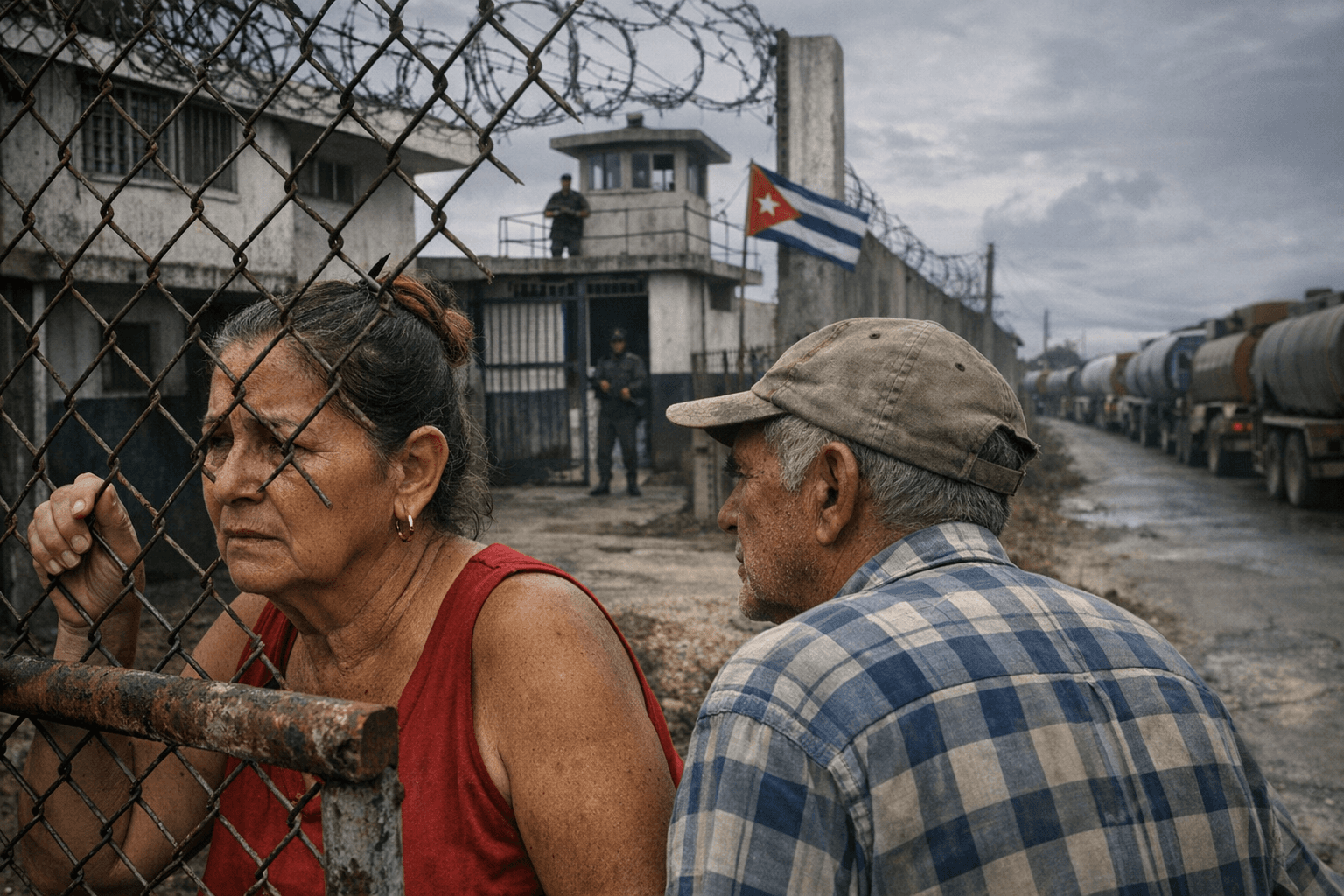
Cuba's Power Grid Collapse Detailed at UN Amid Energy Crisis
Cuba's national power grid collapsed three times in March alone, and the UN is now formally sounding the alarm on a crisis leaving hospitals dark and 10 million people without reliable power.

Cuba's national power grid collapsed three times in March 2026, and the scale of that failure was formally laid out before the United Nations this week as the island's energy crisis moved from local emergency to international concern.
Cuba's power grid collapsed Saturday, leaving the country without electricity for a third time in March, as the communist government battled a decaying infrastructure and a U.S.-imposed oil blockade. The Cuban Electric Union attributed the third total disconnection to an unexpected shutdown of a generation unit at the Nuevitas thermoelectric plant in Camaguey province. The March failures followed the first nationwide blackout on March 16, when the Ministry of Energy and Mines reported a "complete disconnection" of the country's National Electric System (SEN).
Some 72,000 customers in Havana, among them five hospitals, had electricity restored early the following Sunday, according to the state-run Electric Union and Ministry of Energy and Mines, but that was only a fraction of the capital's population of approximately two million. During the week of March 16 to 22, two total collapses of the National Electric Power System were recorded, with blackouts lasting up to 30 consecutive hours. Satellite images from NASA and Bloomberg documented a 50% drop in the country's nighttime illumination.
The UN's position on this crisis has sharpened considerably. Secretary-General António Guterres stated he is "extremely concerned" about the humanitarian situation in Cuba, "which will worsen, or even collapse," if the country's oil needs are not met. UN experts have condemned the executive order issued by the Trump administration. Earlier in February, the UN's top official in Cuba told a press briefing in New York via video link from Havana that there was "concern that the crisis could deepen," with shortages creating "acute humanitarian risks" for vulnerable communities.
According to the United Nations Human Rights Office, the blockade and ensuing fuel shortage have threatened Cuba's food supply and disrupted the country's water systems and hospitals. The fuel shortage has prevented the harvesting of crops and undermined efforts toward food sovereignty. The UN launched an emergency plan of $94.1 million for Cuba, with a fuel traceability mechanism contingent upon an agreement with Washington.
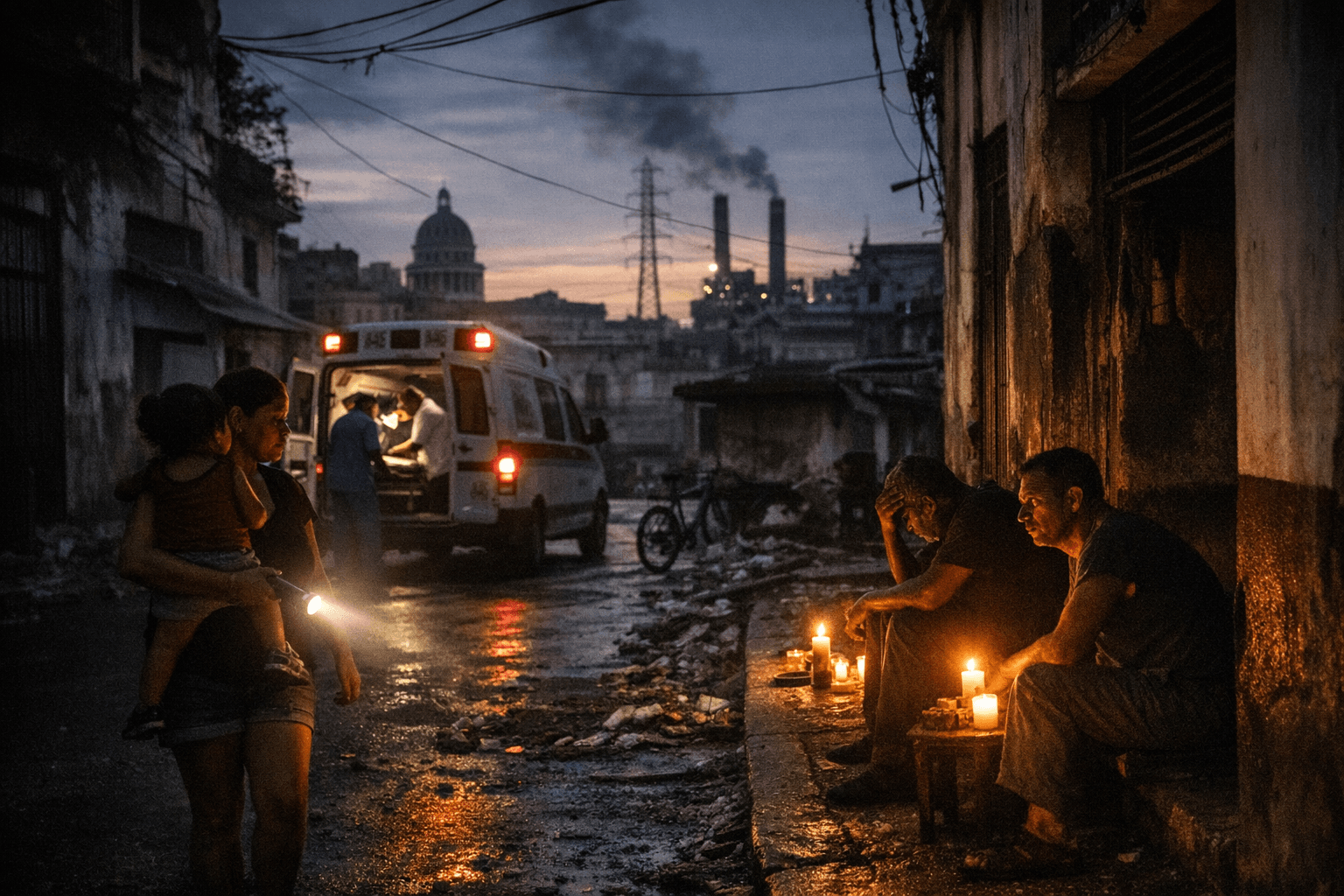
The infrastructure at the center of the collapse is decades old. Cuba's grid is built around obsolete, Soviet-made thermal power plants and relies heavily on oil imports. William LeoGrande, a professor at American University who has tracked Cuba for years, said the country's energy grid hasn't been maintained properly and its infrastructure is "way past its normal useful life."
President Díaz-Canel acknowledged for the first time in mid-March that his government had not received oil shipments in three months and was operating on solar power, natural gas, and thermoelectric plants, and that the government had been forced to postpone surgeries. Critical oil shipments from Venezuela were halted after the U.S. moved against the South American country in early January.
Juanita Goebertus, Americas director at Human Rights Watch, said the electricity crisis was "pushing many essential services to the limit," with people lacking reliable access to drinking water, hospitals unable to operate safely, and garbage piling up in the streets. The UN briefing made clear that without a resolution to the fuel blockade, those conditions are not temporary. The Resident Coordinator described daily life in Cuba as "becoming fragile," with the potential for the grave situation to pose "a real risk to human suffering.
Know something we missed? Have a correction or additional information?
Submit a Tip