Cuba envoy warns U.S. fascism threatens Latin America and Caribbean
Eugenio Martínez cast Washington as a fascist threat as Cuba faced UN warnings of possible humanitarian collapse and fresh aid shipments from Mexico.
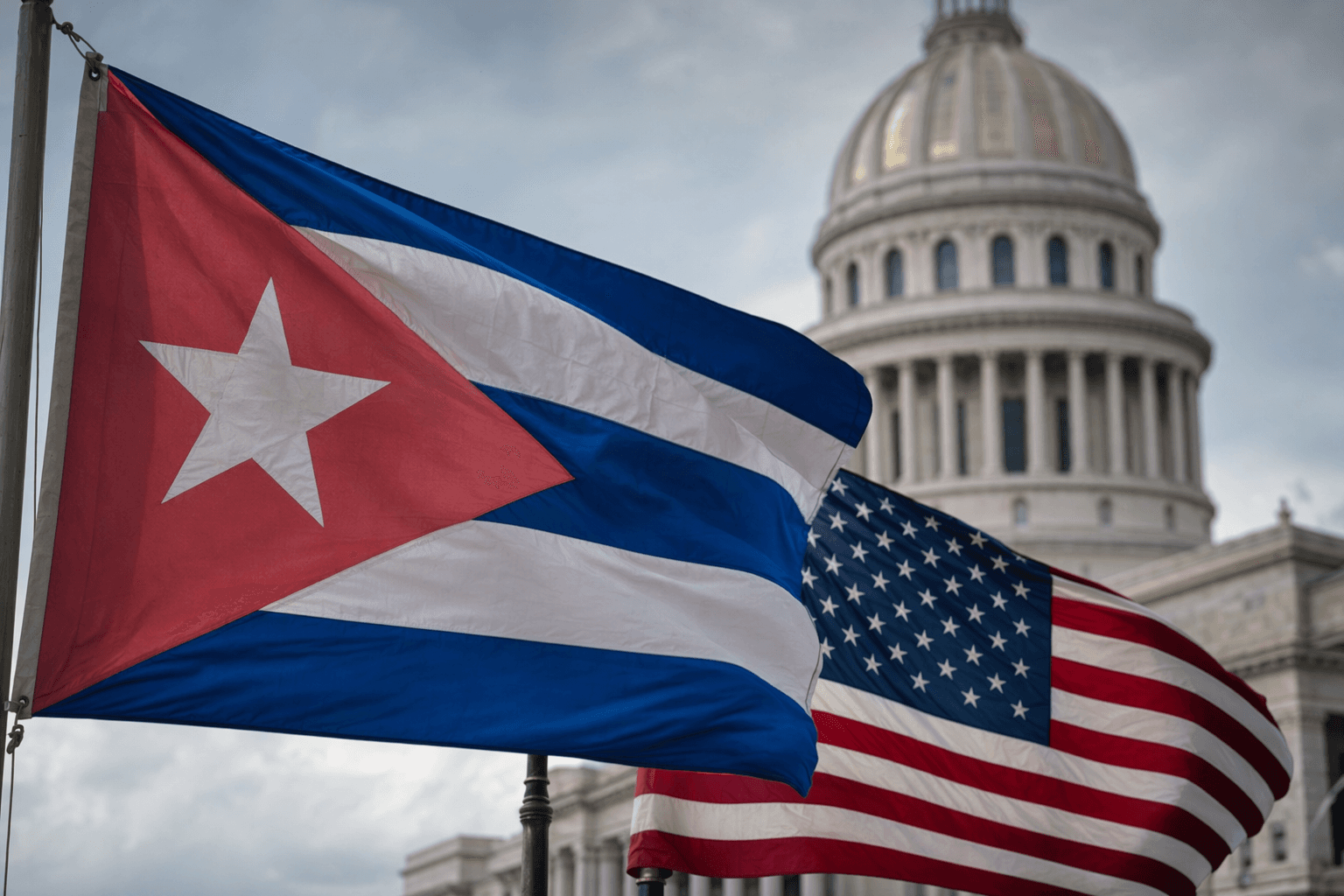
Cuba’s ambassador to Mexico, Eugenio Martínez, used a Mexican media interview to turn Washington’s pressure campaign into a wider warning for the region. Martínez said Latin America and the Caribbean were entering a “new and terrible stage” marked by barbarism, fascism and renewed domination, and argued that the region needed to recover its own critical thinking as a tool of resistance and sovereignty.
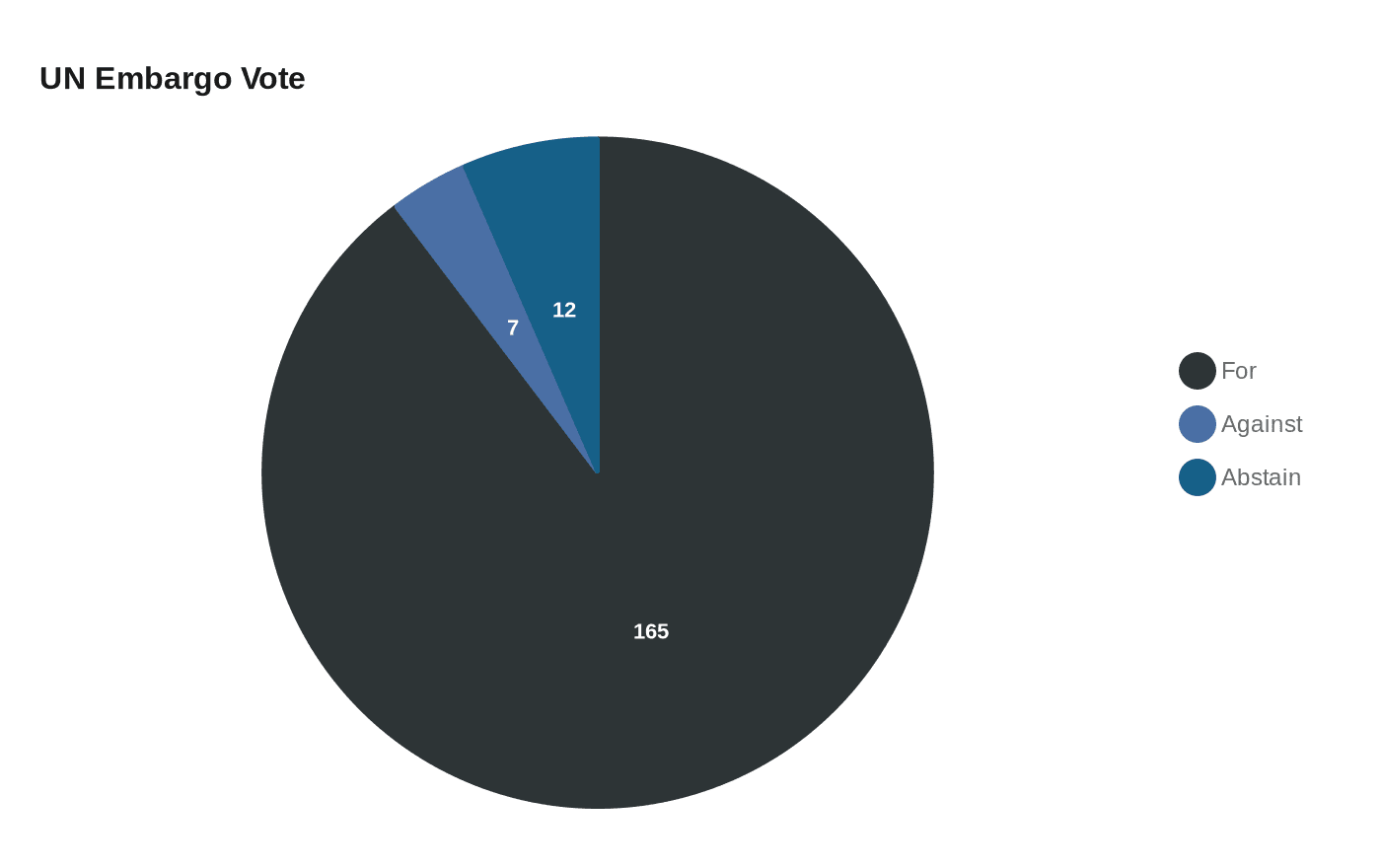
The message landed at a moment when Havana was already under severe strain. The United Nations warned on Feb. 5, 2026, that Cuba faced a possible humanitarian “collapse” as oil supplies dwindled, a stark reminder that the island’s crisis is no longer only diplomatic. It is being measured in fuel shortages, blackouts and the ability of the state to keep daily life moving. That same pressure helped drive the UN General Assembly’s Oct. 29, 2025 vote calling for an end to the U.S. embargo, a resolution passed 165-7 with 12 abstentions and adopted for the 33rd consecutive year.
Martínez’s comments also fit a familiar Havana pattern: frame U.S. policy as a regional danger while pointing to Cuba’s long struggle against sanctions. But the political theatre is unfolding alongside a more fragile reality. On Feb. 2, 2026, Cuban diplomat Carlos Fernández de Cossío said Cuba was in communication with the United States but had no formal dialogue. By April 20 and 21, Cuba confirmed it had recently met with U.S. officials on the island, even as tensions stayed high over the energy blockade that has squeezed the country for months.
Mexico sits in the middle of that standoff. President Claudia Sheinbaum said on Feb. 6 that Mexico aimed to send humanitarian aid to Cuba, including food and basic supplies, and Reuters later reported that two Mexican-flagged aid ships entered Havana Bay on Feb. 12. For Havana, those shipments were more than diplomacy. They were a practical lifeline as the island struggled to secure oil and keep the lights on.
The broader backdrop remains tense at the U.S. Embassy in Havana, where Mike Hammer arrived as chief of mission on Nov. 15, 2024. Cuba’s Foreign Ministry criticized him in 2025 for “meddling” and “provocative” behavior. Martínez’s remarks now fold that friction into a larger anti-U.S. message aimed not just at Washington, but at audiences in Cuba, Mexico and across Latin America who are watching how ideology, power and daily hardship are colliding in real time.
This article was produced by Prism’s automated news system from verified source data, official records, and press releases, then run through automated quality and moderation checks before publishing. The system is built and supervised by the people who set the standards it runs under. Read our full AI policy.
Did this article answer your question?