Cuba’s housing crisis turns abandoned spaces into homes in Camagüey
A woman in her fifties moved into an abandoned Camagüey railroad booth because she had nowhere else to go, and Cuba’s housing crunch made that choice look ordinary.
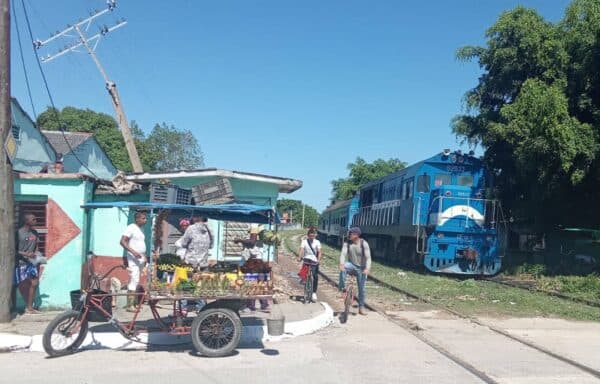
In Camagüey, a small former railroad crossing guard booth became a home because leaving it empty made less sense than using it. Misley, a woman in her fifties, said she moved into the abandoned structure after she had no place to live, and after the barrier was removed the building no longer served a practical purpose. No one came to tell her to leave.
That one occupied space captures how Cuba’s housing collapse has pushed families into a gray zone where shelter comes before paperwork. A neighbor later gave a different account, saying railroad workers had not really abandoned the site and that tools were still stored there before it was turned into a rented storage shed. The disagreement matters because it shows how quickly an underused structure can be redefined in a country where shortage, overcrowding, and state delay leave people improvising on whatever space they can claim.
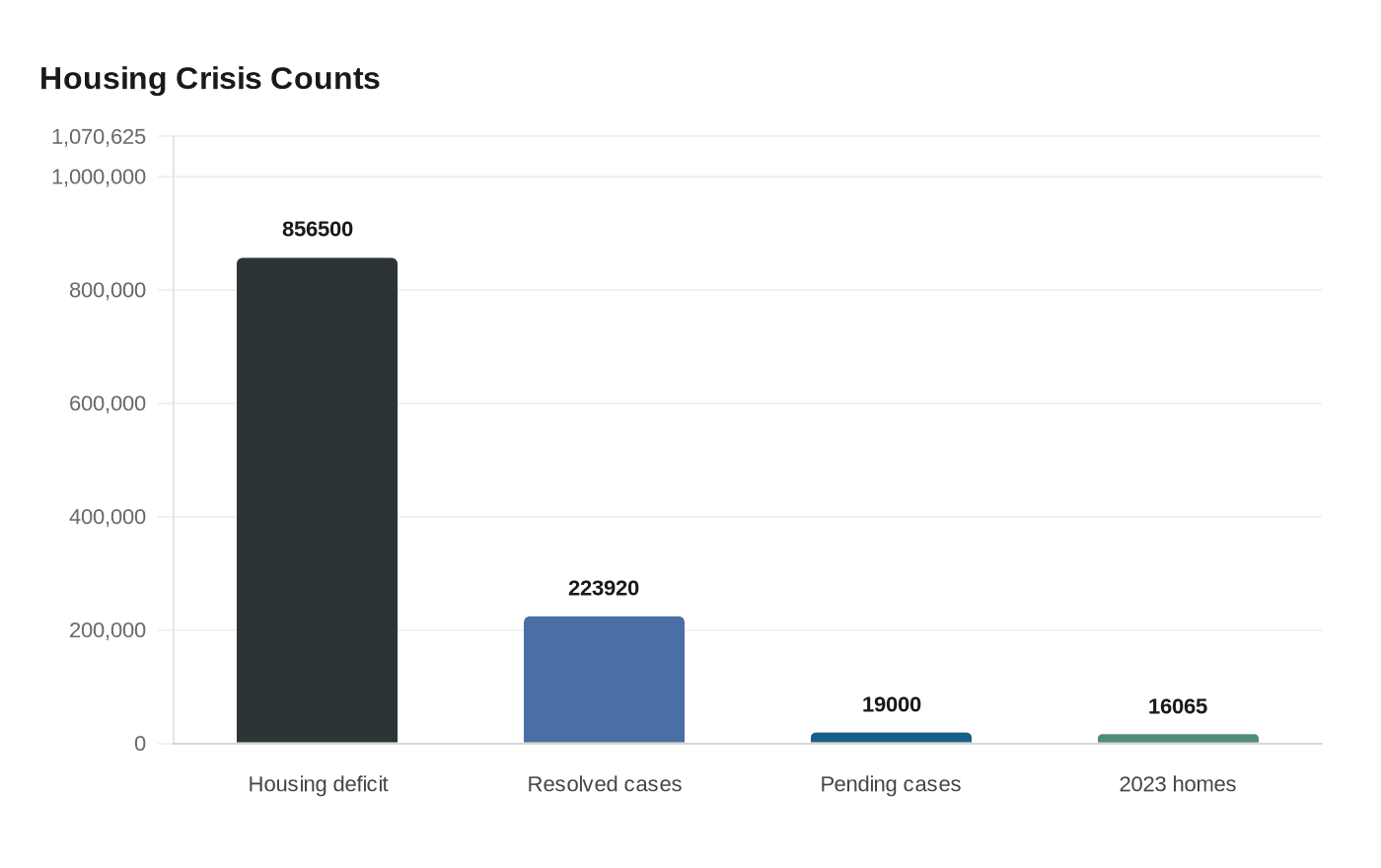
The pressure behind those decisions is already visible in the numbers. In the first months of 2025, Cuba recorded 11,700 housing-rule violations. Of those, 93% involved illegal land occupation, 4% involved common areas in multifamily buildings, and the rest were occupations of premises. By May 2025, the legalization framework for occupied or irregular housing, rooms, accessory spaces, and local premises had been extended until December 31, 2025, with more than 19,000 cases still pending. Since May 2019 through March 2025, housing authorities had resolved 223,920 legalization cases, including more than 130,000 self-built homes and more than 50,000 tenant-to-owner conversions.
The wider crisis has been deepening for years. Cuba ended 2023 with a housing deficit of more than 856,500 homes, while only 16,065 homes were completed that year, 65% of the plan. By the end of August 2024, just 5,262 homes had been finished, 39% of the annual target. Officials identified Havana, Camagüey, Las Tunas, Santiago de Cuba, and Guantánamo as the provinces with the most serious delays. The population, meanwhile, had fallen to 9.8 million, down 1.4 million over five years, a decline that has complicated every effort to measure and rebuild the housing stock.
The result is a system that keeps adapting to scarcity instead of fixing it. New legal protections were being discussed for families with children or dependents, which could help turn emergency occupations into permanent housing in some cases. But the Camagüey booth shows the tradeoff clearly: for many families, the choice is not between legality and illegality, but between an improvised roof and no roof at all.
This article was produced by Prism’s automated news system from verified source data, official records, and press releases, then run through automated quality and moderation checks before publishing. The system is built and supervised by the people who set the standards it runs under. Read our full AI policy.
Did this article answer your question?