Matanzas rumba festival brings Cuba brief respite through music and dance
Matanzas turned rumba into a brief public shield against crisis, with white-clad crowds, classes, and street dance filling the city for four days.
Matanzas as a living stage
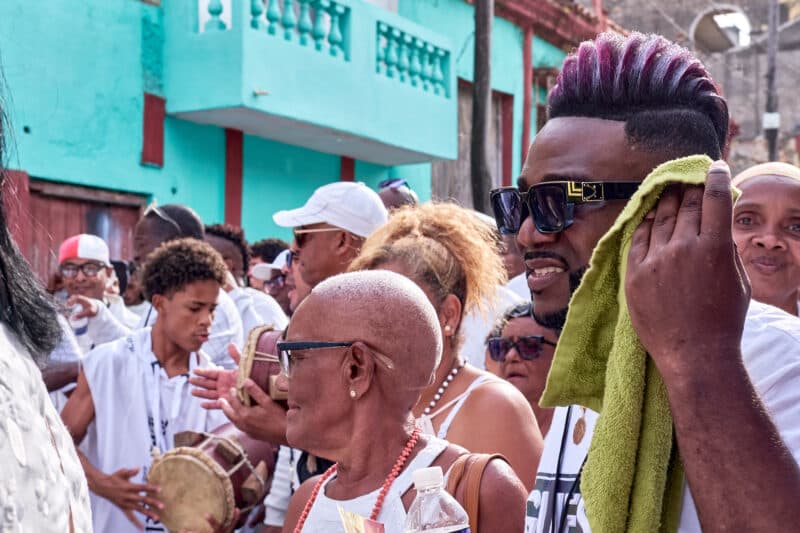
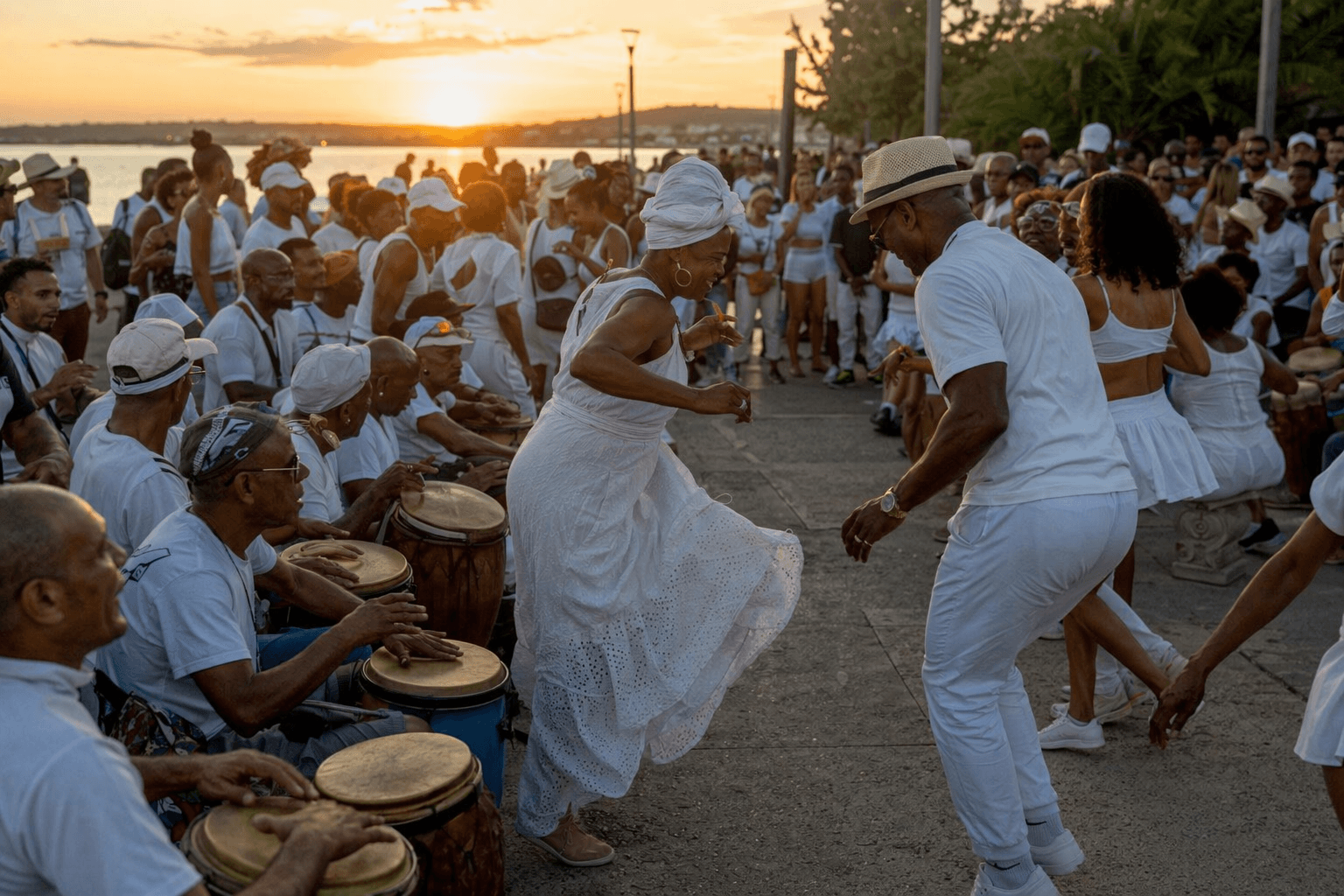
Rumba took over Matanzas as more than a performance. For four days, from April 23 to 26, the city turned itself into a public reminder that Cuban culture still knows how to gather people, steady them, and give them a place to breathe when daily life feels worn down. At the opening, attendees began arriving before 2 p.m. in white clothing, a detail that gave the scene a ceremonial feel and underlined how seriously people treated the first edition of the Guaguancó Matancero International Rumba Festival.
That sense of collective purpose mattered because the festival did not arrive as a casual one-off. Local coverage describes it as the first edition of a project that had spent 15 years in research and design before finally reaching the street, with Los Muñequitos de Matanzas serving as sponsor. In a country where hardship often narrows public life, that kind of long planning turns a cultural event into a statement: rumba still deserves major civic space, and Matanzas still knows how to provide it.
A festival built to be shared
The opening was held at the Sala de Conciertos José White, but the festival was never confined to one room. Its program moved across venues such as Sala White, Parque La Aurora, and other public spaces, blending theory, practice, spectacle, and popular participation into a citywide rhythm. Rumba classes and lectures on the genre’s influence in Cuban society gave the event a clear educational layer, while the street-facing performances kept it rooted in the energy people come to feel, not just to study.
That mix is what made the celebration feel accessible. Artists, music groups, dance academies, and members of the public all appeared in the same current, and the result was a visible sense of coexistence across ages, skin colors, and backgrounds. The contrast with ordinary urban weariness was sharp. Smiles, dancing, and noise in the open air became a temporary counterweight to economic distress, not a solution to it, but a real pause from it.
Why Matanzas carries this weight
Matanzas is not just a host city in this story. Local coverage treats it as one of the central cradles of Cuban rumba and guaguancó, a place where the genre has kept a deep public life. That history is tied to figures and groups that still carry name recognition in the island’s music memory, including Matanzas-born José Rosario Oviedo, known as Malanga, Los Muñequitos de Matanzas, and Columbia del Puerto.
That lineage matters because it explains why a rumba festival in Matanzas can feel like continuity rather than promotion. The city is not borrowing prestige from the form; it has helped build it. When people gathered in white at José White and then spread into other venues, they were stepping into a tradition that has long linked neighborhood identity, musicianship, and public celebration.
Rumba’s heritage and its present-day meaning
Cuban rumba was inscribed by UNESCO in 2016 as Intangible Cultural Heritage of Humanity, and UNESCO describes it as a festive combination of music and dance rooted historically in marginal neighborhoods of Havana and Matanzas. It reflects African, Antillean, and Spanish flamenco influences, and it carries meanings that go beyond entertainment: self-esteem, resistance, and social outreach.
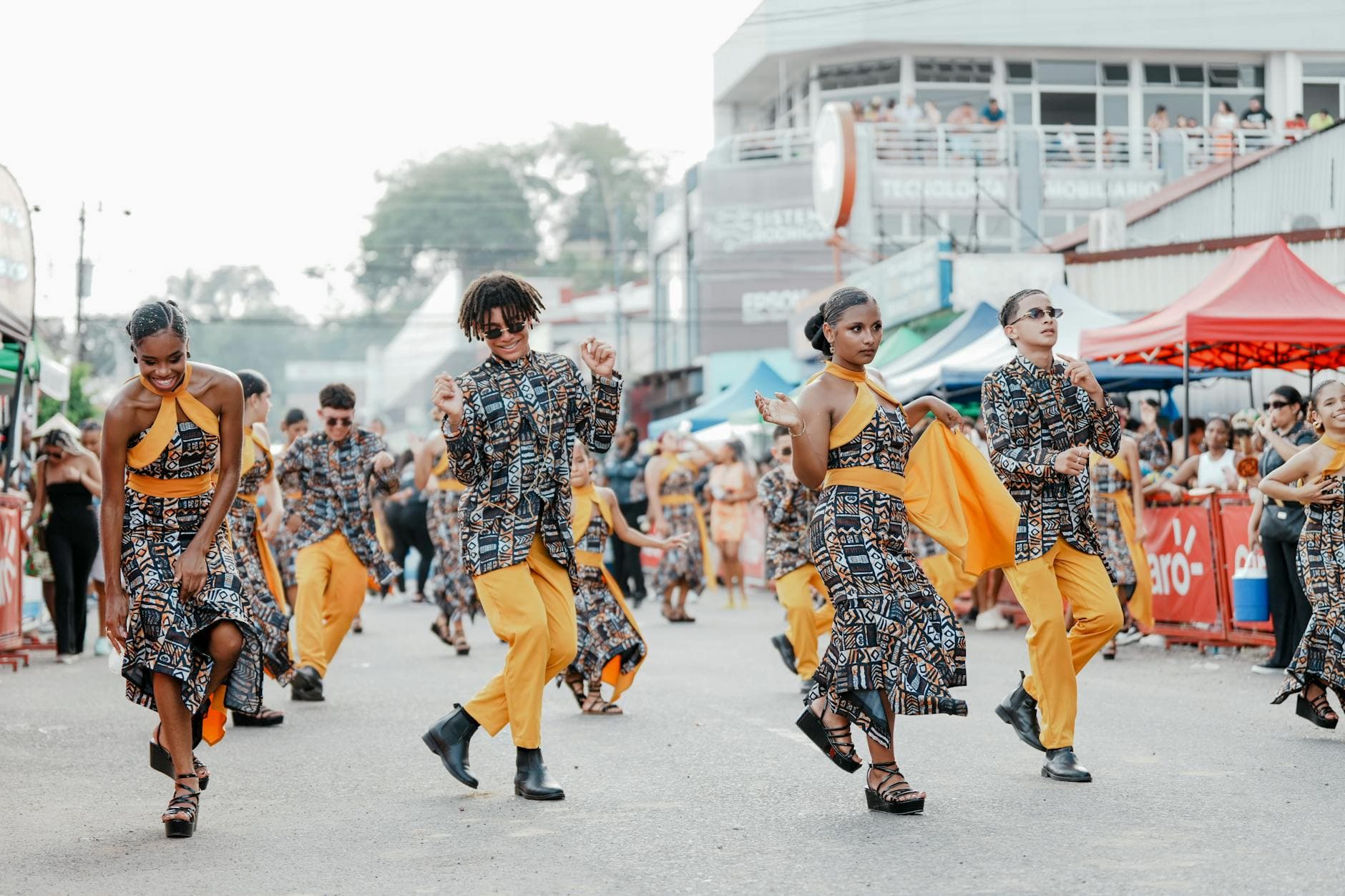
That heritage helps explain why the Matanzas festival feels so relevant in 2026. In a moment marked by shortages and exhaustion, the smiles visible in the crowd did not erase the country’s problems, but they did show how public culture can still create dignity. Rumba, in this setting, works as a social instrument as much as an artistic one. It gives people a shared language when material conditions are strained and a way to inhabit the city together even when the rest of life feels fragmented.
A wider pattern of rumba revival
The Matanzas festival also fits into a broader rhythm of rumba-centered mobilization across Cuba. A 2023 stop by the Timbalaye International Festival brought rumba programming to Matanzas as part of a national tour focused on African cultural legacy, showing that the city has repeatedly been used as a key stage for this kind of cultural work. The 2026 festival builds on that pattern, but with a more explicit local identity through the Guaguancó Matancero name and the sponsorship of Los Muñequitos de Matanzas.
That combination of national heritage and local pride is what gives the festival its force. It is rooted in a city that knows its place in the genre’s history, led by an ensemble that embodies that memory, and structured to welcome everyone from scholars to school dancers to neighbors who simply want to feel the drumline again. In a country under strain, Matanzas offered a short but vivid answer: culture can still gather a community, and rumba can still make that gathering feel like survival.
This article was produced by Prism’s automated news system from verified source data, official records, and press releases, then run through automated quality and moderation checks before publishing. The system is built and supervised by the people who set the standards it runs under. Read our full AI policy.
Did this article answer your question?