Cuba faces stagflation risk as prices rise and output falls
Cuba’s squeeze is turning into stagflation: fewer goods, higher prices, and wages that buy less every month. Blackouts, tourism losses, and collapsing output are making the trap tighter.
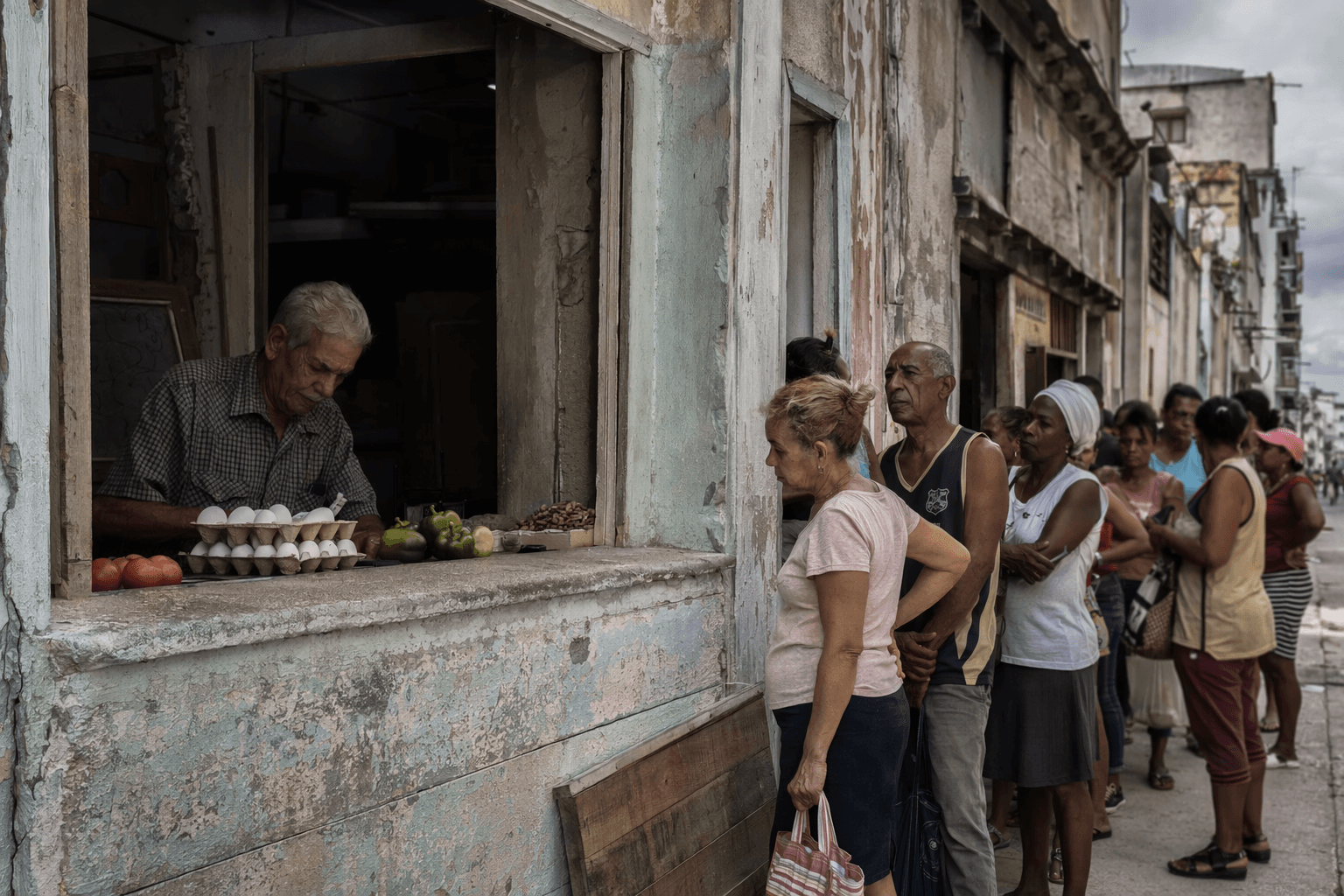
What stagflation looks like on the ground
Cuba’s problem is no longer just that things are expensive. It is that there is less to buy, and what does exist keeps getting dearer, which is exactly the kind of trap stagflation creates.
Marleidy Muñoz, writing for Havana Times from El Toque’s economic lens, frames the crisis in plain terms: production is falling while prices keep climbing. That combination matters because it means households get hit from both sides at once. A family can’t rely on a steady flow of goods, and it also can’t rely on money holding its value long enough to cover the basics.
The Office of National Statistics and Information’s April 2026 CPI bulletin shows how stubborn the pressure has become. Cumulative inflation for January through April was 7.18 percent, April alone rose 1.56 percent month over month, and year-over-year inflation reached 14.73 percent. In January, the same bulletin had already shown 0.67 percent monthly inflation, 0.67 percent cumulative inflation, and 12.52 percent year-over-year inflation. The direction is hard to miss: prices are still running hot even before you get to the shortages.
Food is the first place the squeeze shows up
In Cuba, food is where macroeconomics becomes lunch. When production falls, shelves thin out fast, and when transport and fuel costs rise, what does arrive lands at a higher price. That is why stagflation feels so punishing at the household level: there is not just inflation, but emptiness.
The article’s point is sharp here. A salary may stay nominally the same, but its real value keeps eroding, so the amount of food it can buy shrinks month after month. A wage that once covered part of a grocery bag now covers less, and the difference is not academic. It is the meal skipped, the protein not bought, the market run cut short because prices got away from the budget.
That is why scarcity and inflation reinforce each other. When there is less produce, less meat, fewer packaged goods, and fewer deliveries, sellers can charge more for what remains. Households then cut back, which weakens purchasing power further and makes the market even more fragile.
Transport keeps taking more of the paycheck
Transport is another place where the squeeze becomes visible fast. If fuel is short, service is irregular. If fuel has to be diverted, imported, or bought at higher cost, fares climb. In a country where people already juggle multiple buses, rides, and improvised alternatives, even a small jump in transport costs changes the whole household math.
That matters because transport is not optional. It connects workers to jobs, students to schools, patients to clinics, and shoppers to markets. When the cost of moving around keeps rising, the price pressure spreads far beyond the bus stop. A cheaper loaf of bread means little if getting to the place that sells it costs more than before.
This is where the stagflation story becomes more than a statistics story. The price of mobility rises while the economy has less momentum to absorb it, so people either spend more just to keep their routines intact or start dropping trips altogether. Either way, the household budget gets tighter.
Wages do not keep up, and medicine feels farther away
Wages are the cruelest part of the equation because they are where official narratives and lived reality split apart. A salary can remain stable on paper while losing buying power every week. That means an increase in prices is not simply inconvenient, it is a direct cut in what families can afford.
Medicine makes that even harder. In a system already strained by scarcity, any rise in costs or disruption in supply hits patients who need regular treatment, chronic medication, or basic pharmacy items. When people already need to make tradeoffs between food and transport, medicine is one more category that gets squeezed, and often the wrong one to sacrifice.
The article’s warning is that the damage is cumulative. Once wages stop covering the essentials, families begin to delay purchases, stretch prescriptions, and make do with less. That does not just lower living standards. It pushes poverty deeper and makes recovery harder because the erosion is happening in daily life, not just in a spreadsheet.
Blackouts are not background noise, they are part of the price problem
The electricity crisis sits at the center of all of this. Reuters reported that a major March 4, 2026 power outage struck most of Cuba, including Havana, and EFE said outages in Havana were lasting about 15 hours a day, with up to two days in the provinces. Those are not inconveniences at the margins. They are production shocks.
When blackouts hit factories, shops, refrigeration, and logistics, output falls. When output falls, shortages deepen. When shortages deepen, prices rise. That is the cycle Muñoz and Pedro Monreal are warning about, and it is why stagflation is the right word for this moment.
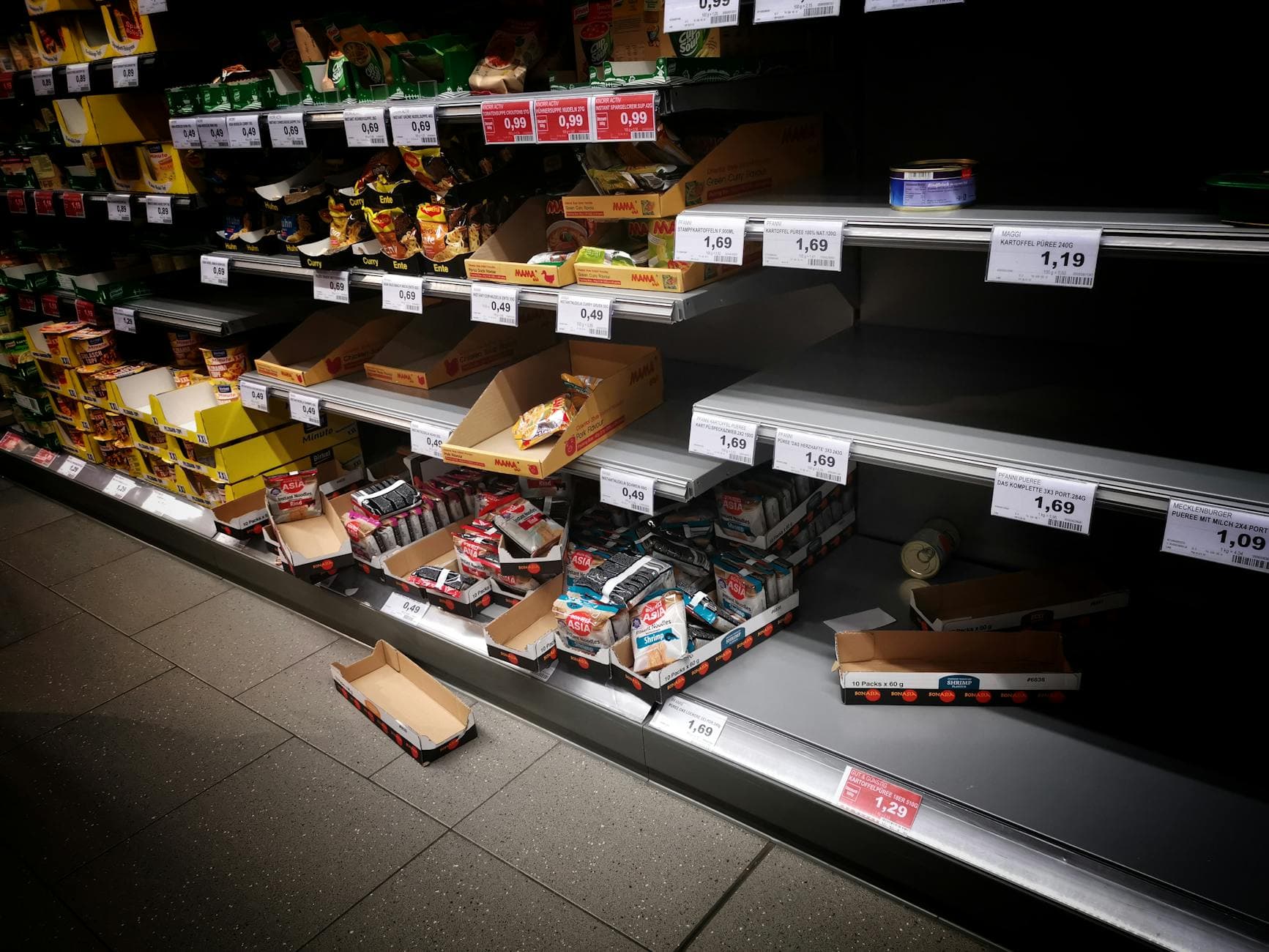
Monreal says Cuba could face a GDP contraction of at least 15 percent in 2026. He compares that possible fall to 1993, when GDP dropped 14.9 percent during the Special Period in Cuba. That comparison is not casual. It is a reminder that the island has seen catastrophic economic collapse before, and Monreal is arguing that this one could equal or exceed it because the current downturn is proving so stubborn.
The forecasts are all over the place, but the pressure is real
There is a wide gap between official and external projections, and that gap tells its own story. ECLAC has projected Cuba’s GDP growth at just 0.1 percent in 2026, while The Economist Intelligence Unit has been cited with a far more pessimistic 7.2 percent contraction forecast. Monreal’s warning of at least a 15 percent decline sits even lower, and he is not alone in arguing that the economy could perform far worse than the milder forecasts suggest.
Tourism makes that divide even more serious. Reuters reported that international tourist arrivals plunged 56 percent in February 2026 compared with February 2025. ONEI data cited in reporting showed March 2026 arrivals collapsing 82.1 percent year over year, from 198,225 in March 2025 to 35,561 in March 2026. For a country that depends on foreign currency to keep fuel, imports, and supply chains moving, that kind of fall is brutal.
That is the bigger picture behind the inflation numbers. Cuba is not just dealing with rising prices. It is dealing with a system in which blackouts slow production, tourism has dried up, imports are harder to finance, and households are watching their wages lose ground against food, transport, and medicine. That is how stagflation traps people in place: there is less to buy, and what remains costs more.
This article was produced by Prism’s automated news system from verified source data, official records, and press releases, then run through automated quality and moderation checks before publishing. The system is built and supervised by the people who set the standards it runs under. Read our full AI policy.
Did this article answer your question?