Cuba Fuel Crisis Triggers Flight Cuts, Cancellations Ahead of April Travel
All three of Canada's major airlines suspended Cuba service, with Air Canada not returning until November, after jet fuel ran out at island airports.
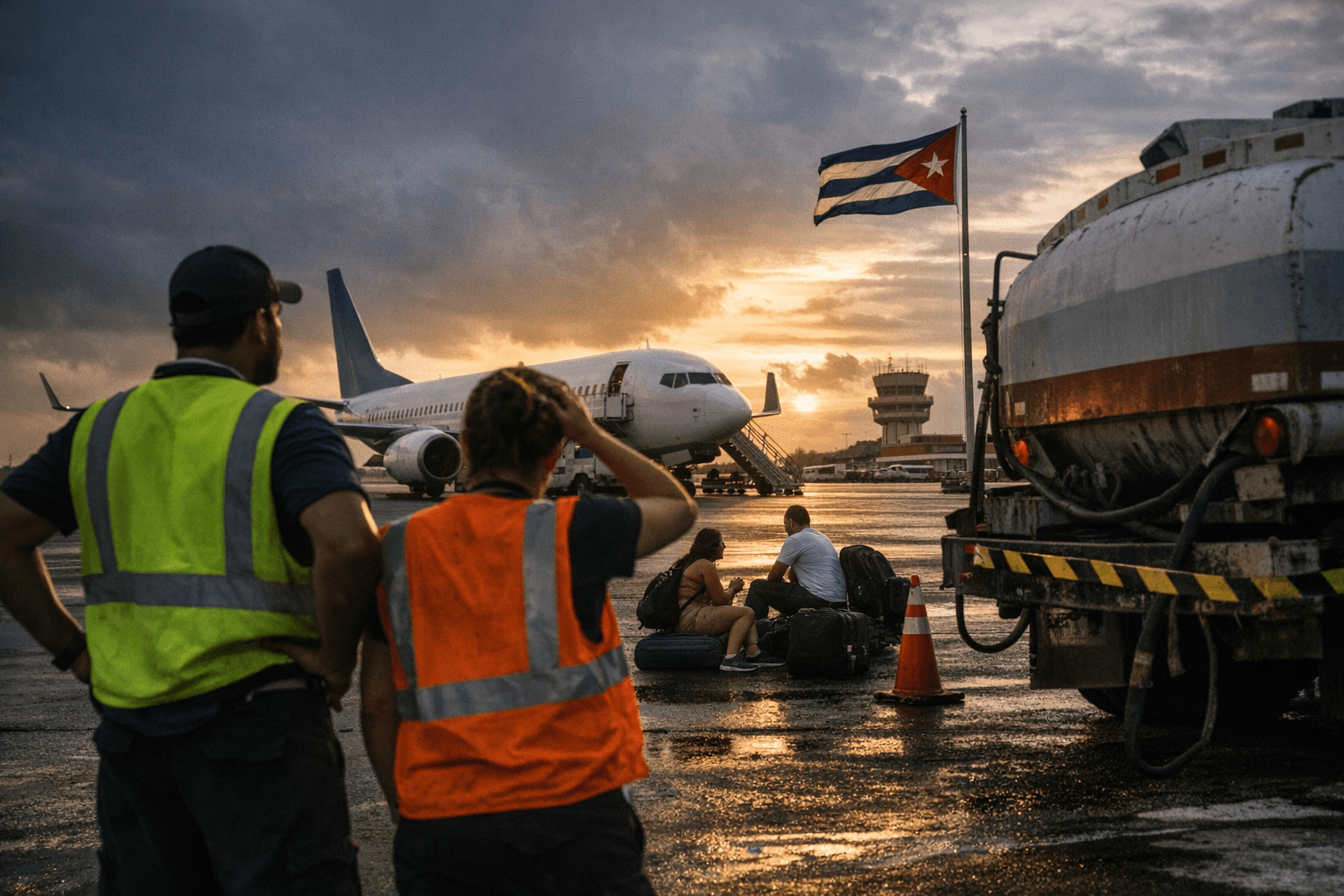
If your Cuba trip is still on the books for April, the refund conversation with your carrier cannot wait. WestJet wound down all Cuba departures through April 25, covering bookings under WestJet, Sunwing Vacations, WestJet Vacations and Vacances WestJet Quebec. Air Canada Vacations is processing automatic refunds through April 30. And Air Canada has pushed its resumption of regular Cuba service all the way to November 1, 2026, a timeline that puts the entire spring and summer seasons effectively off the board.
The trigger was a complete aviation fuel failure. Havana's airport warned in early February that it would run out of jet fuel, a crisis stemming from Cuba losing crude and refined oil product shipments from Venezuela since mid-December, compounded by U.S. tariff threats on oil shipped to the island. All three of Canada's major airlines suspended service within 24 hours: Air Canada, WestJet and Air Transat. Air Canada dispatched empty southbound aircraft to evacuate roughly 3,000 stranded guests; WestJet's repatriation flights carried their own fuel supply rather than depending on what remained in Cuba.
The scale matters for anyone doing the math on Cuba's tourism window. WestJet and Air Transat alone move more than half a million travelers between Canada and Cuba in a normal year, and Cuba accounts for eight percent of Air Transat's entire winter flight volume, according to aviation data firm Cirium. With that capacity gone through spring, the routes to Havana, Varadero and Cayo Coco are running at a fraction of their typical traffic.
Routing has become genuinely complicated for anyone still committed to going. The Canadian gateway model that most North Americans, including U.S. travelers transiting through Toronto or Montreal, historically used to reach Cuba is largely unavailable for the spring. Third-country alternatives through Mexico or other Caribbean hubs add cost, connection risk and, for some nationalities, additional visa considerations.
On the ground, the fuel shortage is not contained to airport tarmacs. Canadian and UK government advisories now explicitly flag risks to transport, medical care, communications and basic hotel services. Larger resorts may have generator backup, but generators cover electricity, not fuel-dependent ground transport, food supply chains or water systems. Excursion schedules are running shorter, airport transfers are delayed, and air conditioning and refrigeration can fail even at higher-end all-inclusive properties. Independent travelers moving between cities or staying at casas particulares carry the most exposure, since they have no resort infrastructure to absorb the disruption, and fuel queues across the island make ground transport schedules genuinely unpredictable.
The practical floor for anyone with a booking: verify your refund eligibility now, document all cancellation communications, and if you used a travel advisor rather than booking directly, contact them instead of waiting on airline notifications. The corridor to Cuba is not permanently closed, but the industry's own November and October restart timelines are the clearest signal available that this season is not coming back.
This article was produced by Prism’s automated news system from verified source data, official records, and press releases, then run through automated quality and moderation checks before publishing. The system is built and supervised by the people who set the standards it runs under. Read our full AI policy.
Did this article answer your question?