Cuba property claims remain unresolved, family seeks fair compensation
Teo A. Babun Jr. is still pressing a claim his family lost in Santiago de Cuba, as unresolved confiscation cases linger near $9 billion with interest.
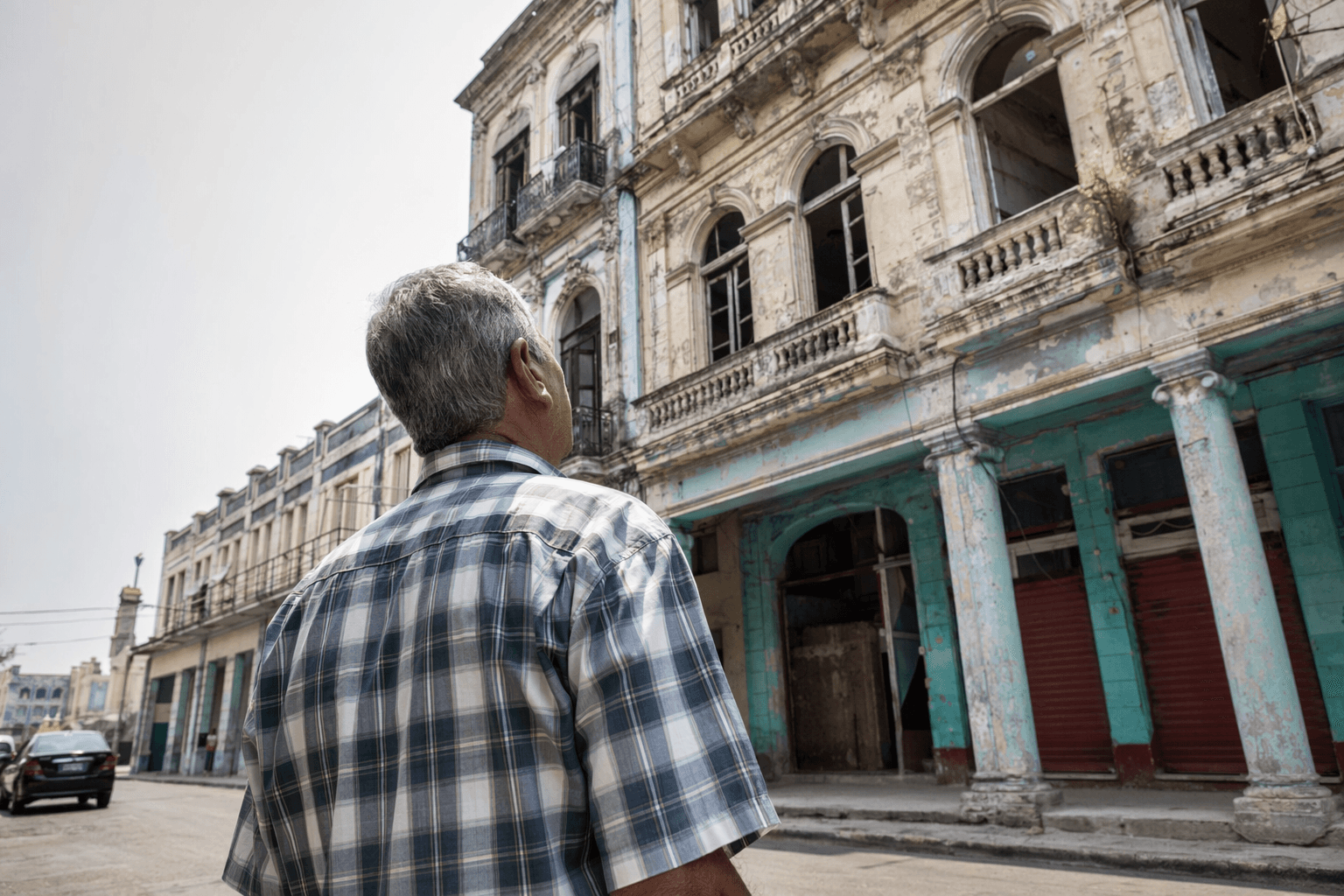
Teo A. Babun Jr. is still fighting over a loss that began when his family’s industrial empire in Santiago de Cuba was swept up after the revolution. The Babun family says it lost a railroad, sawmill, shipyard, cement factory and an estate, and their case has become one of the clearest examples of why Cuba property claims have never faded from the politics of the island or the exile community.
The scale of the dispute is far beyond one family. The U.S. Foreign Claims Settlement Commission says its Cuba program reviewed 8,821 claims and certified 5,913 awards, with principal values totaling $1,902,202,284.95. The U.S. Department of Justice says those claims remain unsettled by Cuba, and when interest is added to the original value, the certified claims now approach $9 billion. Babun’s family alone accounts for a large share of the total, with assets valued in the hundreds of millions.
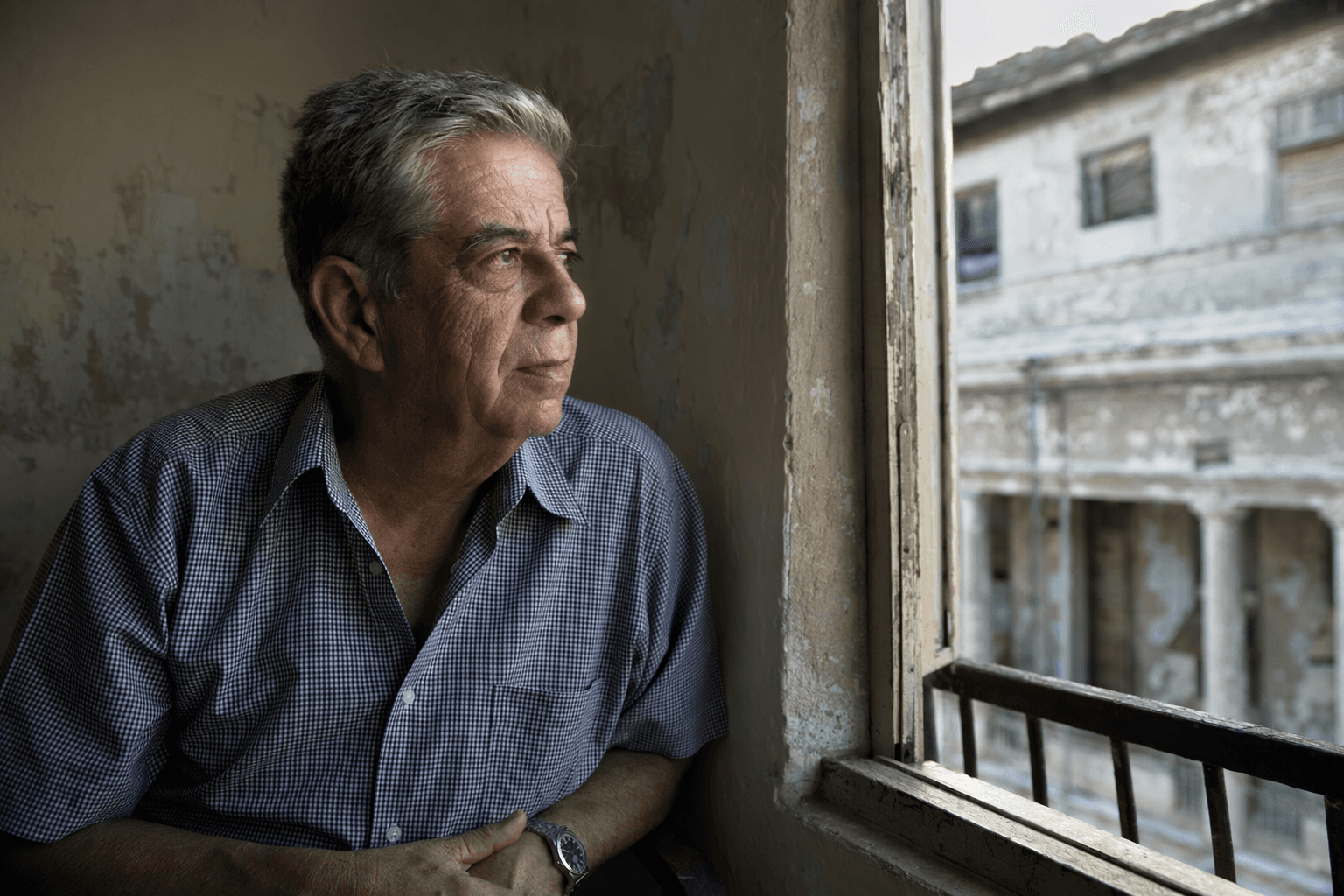
That money is only part of the story. Babun has argued that any settlement has to be about justice, not a cash grab, and he has stressed that a fair outcome would need to protect current occupants rather than uproot people who have lived in homes or used buildings for decades. That tension has kept the issue politically toxic: property restitution is not just a ledger problem, it is a question of what happens to families, workers and businesses now tied to properties that were confiscated between 1959 and 1961.
Washington built the claims process in 1964 to document those losses, but no payment deal with Havana ever followed. The deadlock hardened over time, including an earlier Cuban proposal involving government bonds that the United States rejected as inadequate. Since then, the legal fight has only grown more tangled. The 1996 Helms-Burton Act made resolution of these claims a condition for normalized economic relations, and Title III gave U.S. nationals a private right of action against anyone trafficking in confiscated property after January 1, 1959. Donald Trump allowed those lawsuits to proceed in 2019 by refusing to renew the suspension.
The biggest claims show how concentrated the stakes are. Recent reporting puts the ten largest certified Cuba claims at nearly $960 million, including cases tied to Cuban Electric Company, ITT, ExxonMobil and Starwood Hotels. In 2024, the 11th U.S. Circuit Court of Appeals reversed major cruise-line judgments under Helms-Burton, underscoring how alive the issue remains. For exiles, descendants and anyone watching a future U.S.-Cuba thaw, the unresolved claims are still a bargaining chip, but also a warning: settling the past without creating new injustices in the present may be the hardest deal Havana and Washington ever face.
This article was produced by Prism’s automated news system from verified source data, official records, and press releases, then run through automated quality and moderation checks before publishing. The system is built and supervised by the people who set the standards it runs under. Read our full AI policy.
Did this article answer your question?