Cuba Protests Spread Nightly as Arrests Mount, Raising Visitor Safety Concerns
Cubalex counted 156 protests and 47 arrests across Cuba by March 17, with nightly unrest now touching Havana, Santiago de Cuba, and Matanzas — and no travel advisories yet lifted.
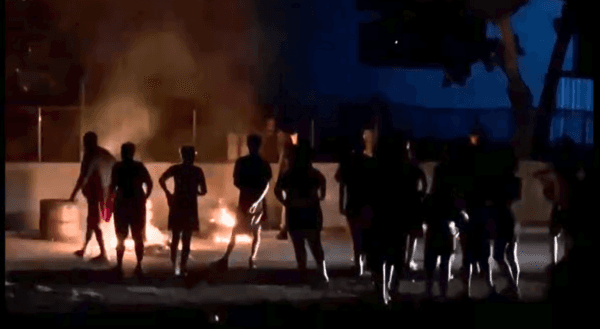
Every day since March 6, 2026, Cubans have protested somewhere in the country," with neighborhoods across Havana, Santiago de Cuba, Matanzas, and other provinces filled nightly with pot-banging, burning trash, and chants against the regime. By the time Havana Times published its detailed accounting of the wave on March 21, the numbers told a stark story: Cubalex documented, as of March 17, 2026, at least 156 protests and 47 arrests so far that month.
Nighttime has been the usual setting for demonstrations over the past two weeks, in defiance of authorities in a nation likely experiencing the worst crisis in its history, with power outages lasting days and widespread shortages of basic goods. The government has responded only with its usual accusations against the United States over economic sanctions, while internally repressing critical voices in a civic space closed to dissent.
The single most widely circulated flashpoint came from Morón. The most radical protest in recent days was the March 13 march through the streets of Morón, Ciego de Ávila province, which ended with the storming and burning of furniture at the municipal headquarters of the Communist Party. It resulted in at least 14 arrests acknowledged by authorities, including several minors, and a report by opposition figure Jose Daniel Ferrer of a young man shot and wounded whose identity remains undisclosed for security reasons. Cubalex identified 12 of those detained by name, among them Erick Simón Toledano, Juan Manuel Griñán Clemente, Hosuan Naranjo, Brayan Pérez Muñoz, Vladimir Ortiz Ortiz, Catherine Gutiérrez Sánchez, Yaisdely Castillo Hernández, Iledier Tabuada Machado, Raicer Crespo González, and minors Kevin Samuel Echeverría, Jonathan Muir, and Yoasnel Estrada.
Jonathan Muir Burgos, 16 years old and the son of an evangelical pastor, has been held at the Technical Investigations Department in Ciego de Ávila since March 16 with a serious skin illness, arrested alongside his father when both responded to a police summons in Morón; his father was released the same afternoon, but Jonathan remained detained, with authorities threatening charges "to the fullest extent of the law" for his alleged involvement in the March 13 and 14 protests.
Repression extended beyond Ciego de Ávila. Independent communicator Yosmany Mayeta reported the arrest in Santiago de Cuba of Antonio Hernandez following pot-banging protests in the Altamira neighborhood, with local sources stating the young man was not engaged in any violent acts but was simply observing events; on March 19, the Cuban Observatory of Human Rights reported repressive actions in Santiago de Cuba following a pot-banging protest during a blackout, including summonses issued to about a dozen people for questioning at a police station. In Havana, Juan Carlos Chillon Paizan is among those jailed for protesting on March 10 in Lawton.
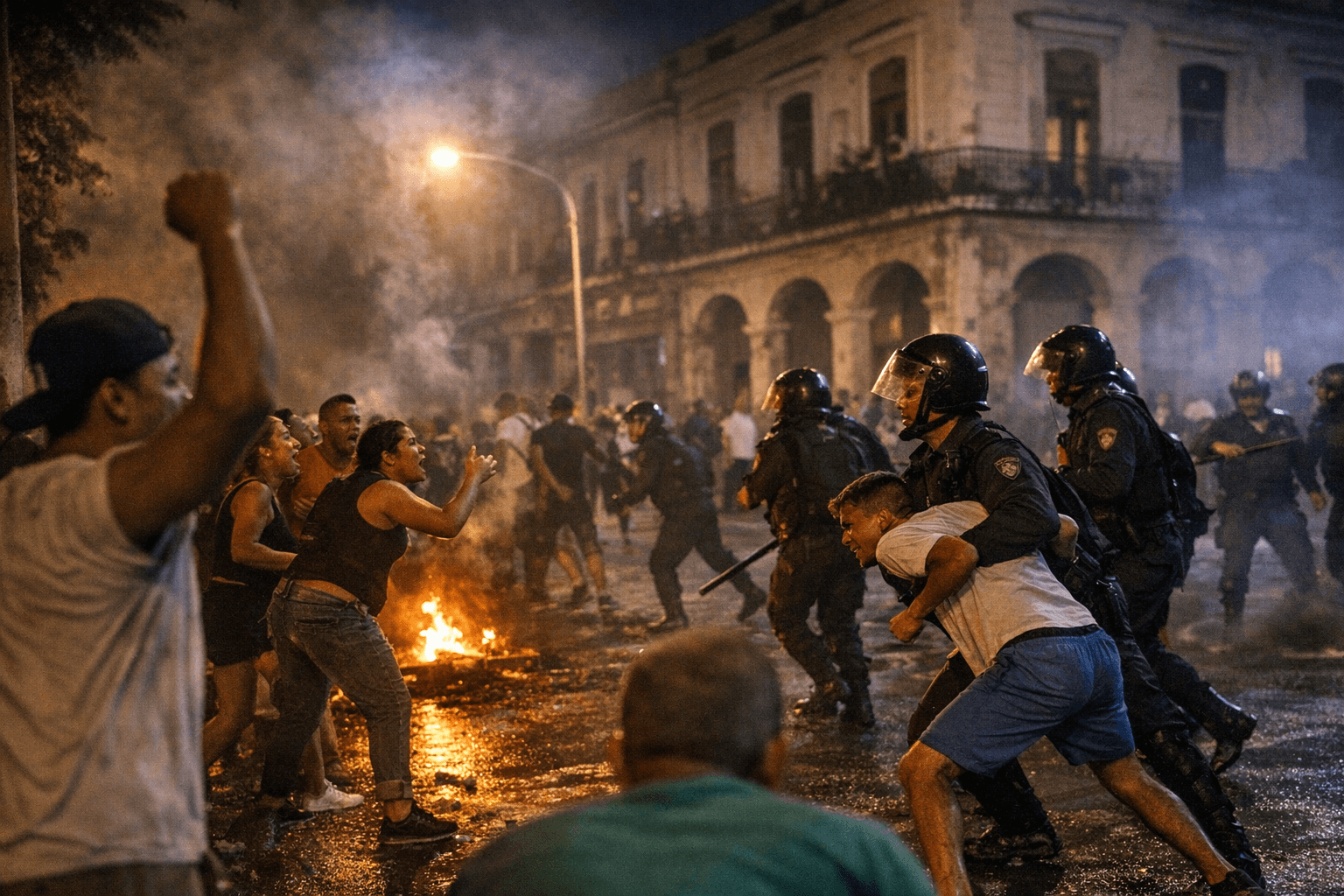
In Granma province, Cubalex reported an undetermined number of arrests in Guisa linked to the burning of the El Mirador restaurant. While some individuals have faced short-term arbitrary detentions, others remain imprisoned, and according to Cubalex, there is still a lack of official information about the total number of arrests and the legal status of those who remain in custody.
For anyone currently on the island or with travel planned, the protest geography now covers Cuba's major urban centers. In Cuba, peaceful assembly and freedom of speech are not protected rights, and the U.S. State Department advises citizens to avoid protests or demonstrations. The Canadian government is equally direct: many demonstrators have been arrested, proximity to a demonstration can itself result in detention by Cuban authorities, and even peaceful demonstrations can turn violent at any time. Cuba is experiencing severe and worsening disruption to essential infrastructure, with persistent power outages and fuel shortages significantly affecting visitors' access to reliable transport, medical care, communications, and basic services.
On March 13, four United Nations special rapporteurs made public a communication to the Cuban state expressing concern about "a systematic pattern of criminalization of dissent" and the use of coercion, including arbitrary detention and forced exile, against human rights defenders, activists, and artists. That message landed on the same day protesters were still being pulled off the streets of Morón. The arrests have not slowed the demonstrations; protests continued into late March, marking one of the most sustained waves of dissent in recent years despite heavy repression risks.
This article was produced by Prism’s automated news system from verified source data, official records, and press releases, then run through automated quality and moderation checks before publishing. The system is built and supervised by the people who set the standards it runs under. Read our full AI policy.
Did this article answer your question?