Cuba revises farm rules again as food production collapse deepens
Cuba ended Acopio’s monopoly again, but prices, exports and strategic crops still stay in state hands as the island’s food collapse deepens.
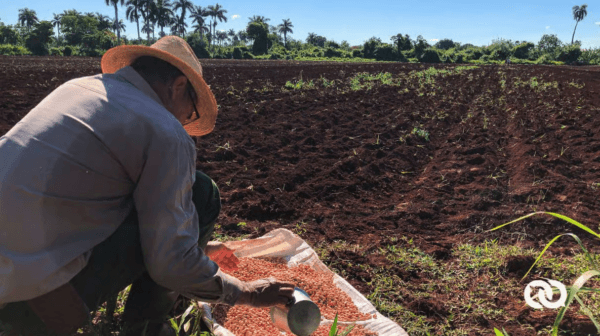
Cuba has torn up its 2021 farm commercialization model and replaced it with a new decree, but the state still keeps the levers that matter most: prices, exports and the strategic crops that can actually bring in cash. Decree 143/2025, titled On the commercialization of agricultural and forestry products, and Resolution 16/2026 were published in Official Gazette No. 33 on April 9, 2026. The package formally replaces Decree 35/2021 and Decree 71/2022, ending Acopio’s exclusive monopoly on agricultural commercialization while keeping tight state oversight over destinations, exports and strategic products.
That matters because the list of products still treated as too important to leave alone is exactly where Cuba gets leverage and revenue: tobacco, charcoal, honey, cocoa and coffee. The new framework broadens the cast of intermediaries to include MSMEs, cooperatives, self-employed workers and individual producers, and it opens sales to the national balance, tourism, hard-currency border sales, the food-processing industry and mini-industries. But the state still requires approved intermediaries, fiscal bank accounts for transactions and provincial governors to approve marketing networks. That is not a free market. It is a looser funnel.
The timing is brutal. The USDA Economic Research Service estimated that 12.8 percent of Cubans, about 1.4 million people, did not meet the 2,100-calorie threshold in 2023. Under an adjusted-GDP scenario, the share rose to 37.8 percent, or 4.2 million people. The FAO said Hurricanes Oscar and Rafael damaged agriculture in October and November 2024, hitting about 15,000 hectares of crops and killing more than 70,000 chickens in the poultry sector. It also said fuel, fertilizer and electricity shortages were holding back paddy and maize, and René Orellana said in March 2026 that the fuel crisis was having a “grave” impact on Cuban agriculture.
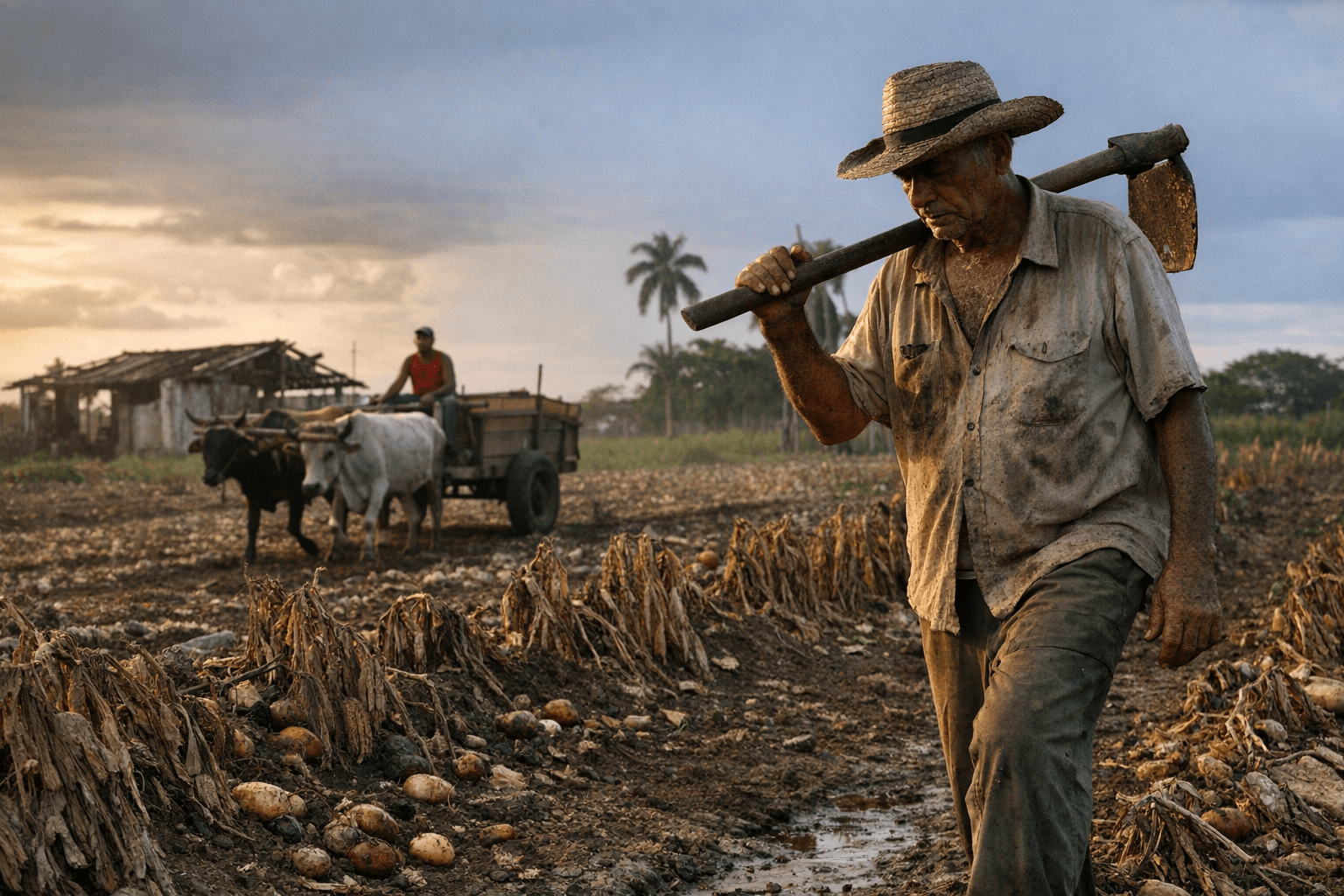
That is the real test for the new rules. A maize crop in Sancti Spíritus or Camagüey still has to be planted with scarce fuel, grown with scarce fertilizer, hauled with broken transport, stored without reliable power and sold through a system that still favors state control over the best prices and the best routes. Pedro Monreal has argued that the package falls far short of a true market reform, and that is the hard truth here: Cuba keeps changing the paperwork around food production while the basic machinery of getting food to market keeps failing.
This article was produced by Prism’s automated news system from verified source data, official records, and press releases, then run through automated quality and moderation checks before publishing. The system is built and supervised by the people who set the standards it runs under. Read our full AI policy.
Did this article answer your question?