Cuba Says Political System, Díaz-Canel's Presidency Are Non-Negotiable in U.S. Talks
Cuba drew a hard line in U.S. talks: Díaz-Canel's presidency and the political system are off the table, as 650 aid convoy delegates arrived from 33 countries.
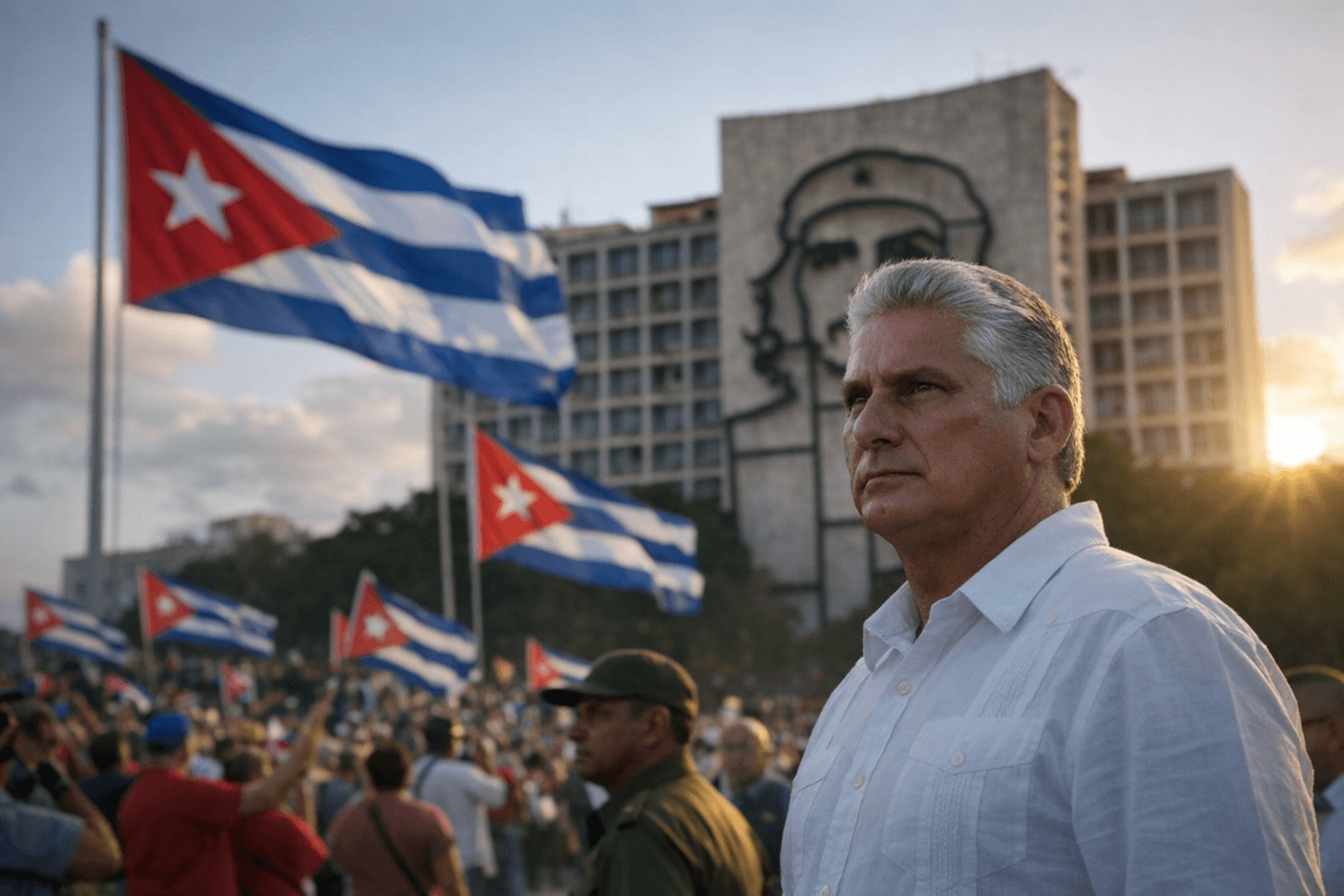
Deputy Foreign Minister Carlos Fernández de Cossío stepped to a Havana podium on March 20 and left no room for interpretation. "I can categorically confirm that... the political system of Cuba is not up for negotiation, and of course neither the president nor the position of any official in Cuba is subject to negotiation with the United States," he told reporters at a press conference.
His remarks were a firm repudiation of reports that the administration of U.S. President Donald Trump was seeking the removal of Díaz-Canel. The New York Times had previously reported that the Trump administration aimed to overthrow the Cuban president, a claim the State Department labeled false.
Cuba had acknowledged a week earlier that it had entered talks with the U.S., a reversal that had been building in plain sight. On January 12, Díaz-Canel himself had denied the existence of such conversations, limiting them to "technical contacts in the migration field." In February, Fernández de Cossío stated that "that dialogue has not begun." On March 10, the government once again denied any negotiations. The formal acknowledgment of talks prompted analysts to describe the moment as one of the most significant shifts in U.S.-Cuba relations in years.
Fernández de Cossío was careful to separate what Havana will discuss from what it will not. He said Cuba was willing to negotiate in areas like trade, and noted that Cuba is seeking compensation for damages wrought by the U.S. embargo, and that there are 5,913 claims from the U.S. for property nationalized during the Cuban Revolution. "These are very complex issues that can be discussed, but they require dialogue," he said. "They require sitting down and are legitimate matters."
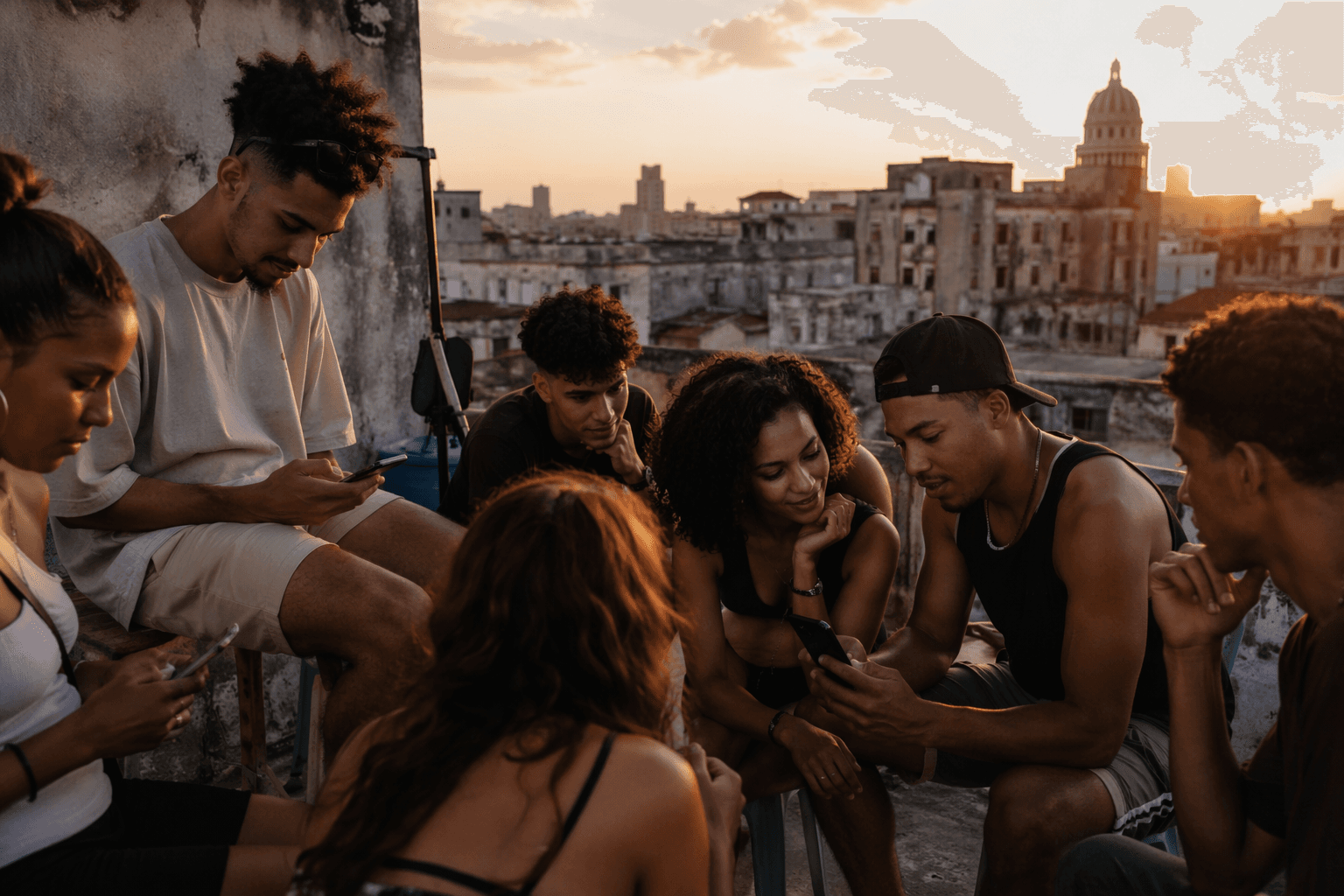
The backdrop to all of it is an island running on borrowed time. On January 29, President Trump, through Executive Order 14380, imposed an oil blockade on Cuba, threatening sanctions against any country that directly or indirectly supplies oil to Cuba. Through military action in Venezuela and threats of tariffs on Mexico, Trump has prevented oil from entering the island, crippling an economy already hamstrung by the government's limits on private industry. Regional or local blackouts now happen almost daily, and national blackouts are becoming more common, with two occurring in the span of six days.
Trump's posture toward Cuba has been characteristically blunt. He said he thinks he can "do anything I want" with Cuba, while Secretary of State Marco Rubio stressed diplomacy over any talk of invasion. Rubio told reporters Cuba is "in a lot of trouble, and the people in charge, they don't know how to fix it," adding, "So they have to get new people in charge."
On the same day Fernández de Cossío spoke, Díaz-Canel met with members of the Nuestra América Convoy at the Palacio de Convenciones in Havana. Some 650 delegates from 33 countries and 120 organizations had begun arriving in Cuba as part of a solidarity caravan transporting roughly 20 tons of humanitarian aid, arriving by air from Italy, France, Spain, the United States and several Latin American countries, with more due by sea in a flotilla of three vessels from Mexico. Notable figures included British parliamentarian Jeremy Corbyn, Colombian Senator Clara López, former Spanish politician Pablo Iglesias, U.S. labor leader Chris Smalls, and Brazilian humanitarian activist Thiago Ávila. Supplies included food, medical supplies, and solar panel equipment to lessen the impact of the oil blockade.
Fernández de Cossío said the oil blockade "cannot be sustained forever," and Cuba has signaled it will keep talking, on its own terms. Al Jazeera confirmed that Fernández de Cossío noted Cuba is seeking compensation for damages wrought by the embargo and acknowledged the 5,913 U.S. property claims from the revolution as legitimate starting points for any serious dialogue. Whether Washington is prepared to engage those terms, rather than the question of who sits in Havana's presidential seat, is what the next round of talks will have to answer.
This article was produced by Prism’s automated news system from verified source data, official records, and press releases, then run through automated quality and moderation checks before publishing. The system is built and supervised by the people who set the standards it runs under. Read our full AI policy.
Did this article answer your question?