Cuba turns to solar-powered tricycles as fuel shortages deepen
Solar tricycles now keep Havana moving, but $2,000 to $4,000 prices leave them in reach only for Cubans with money from abroad.

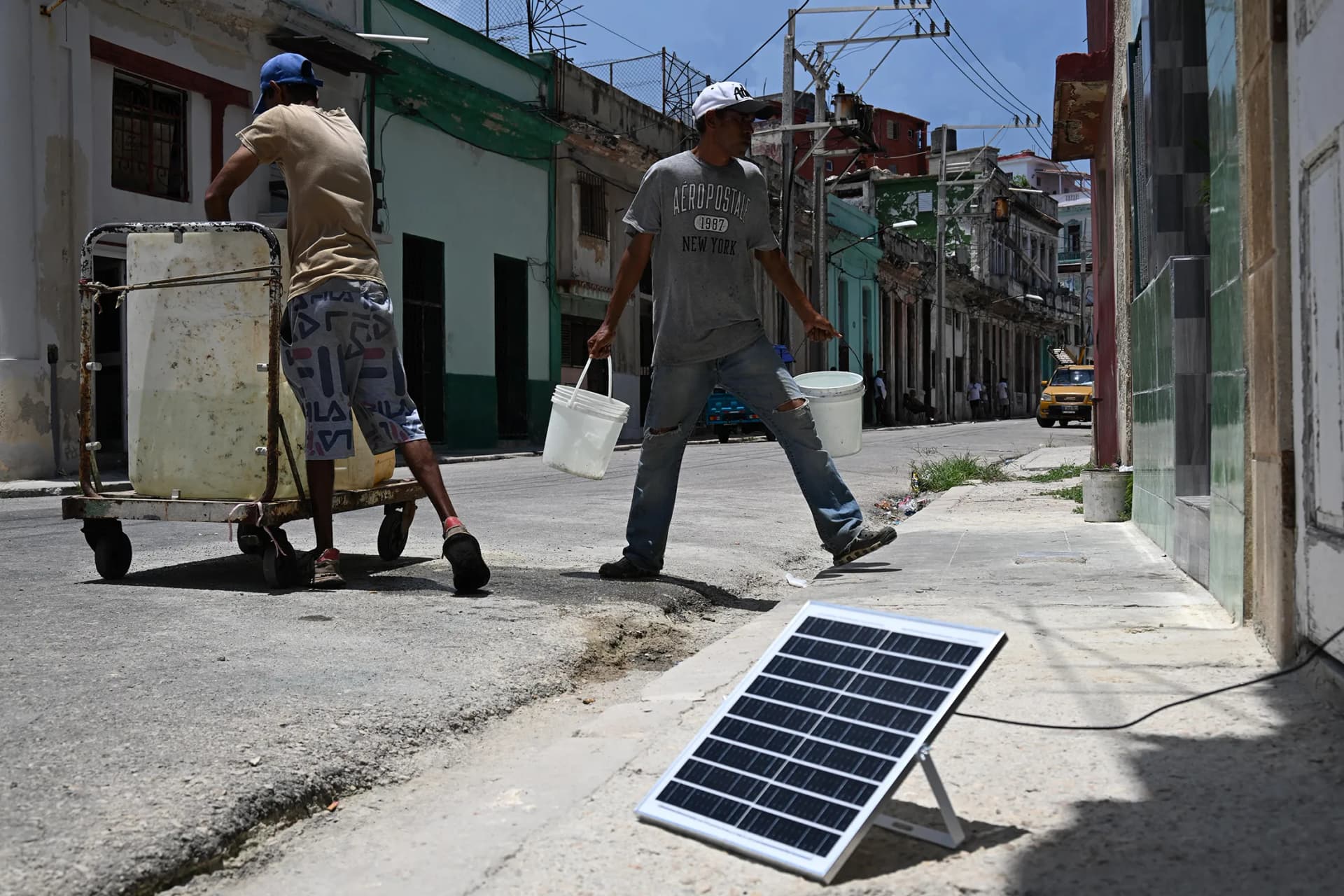
Havana’s vintage American cars have all but vanished, and small electric tricycles, most of them made in China, have taken their place as the main ride for hundreds of thousands of Cubans. In a country worn down by fuel scarcity and rolling blackouts, many of those tricycles now carry solar panels so drivers can recharge without leaning entirely on a power grid that keeps failing.
The vehicles are doing far more than ferrying passengers. They haul goods, cover routes once handled by buses, and in some Havana neighborhoods they even collect garbage. That makes them less a novelty than a piece of improvised infrastructure, built to fill gaps left by a transport system that has been shrinking for months as gasoline becomes harder to find and electricity grows less reliable.
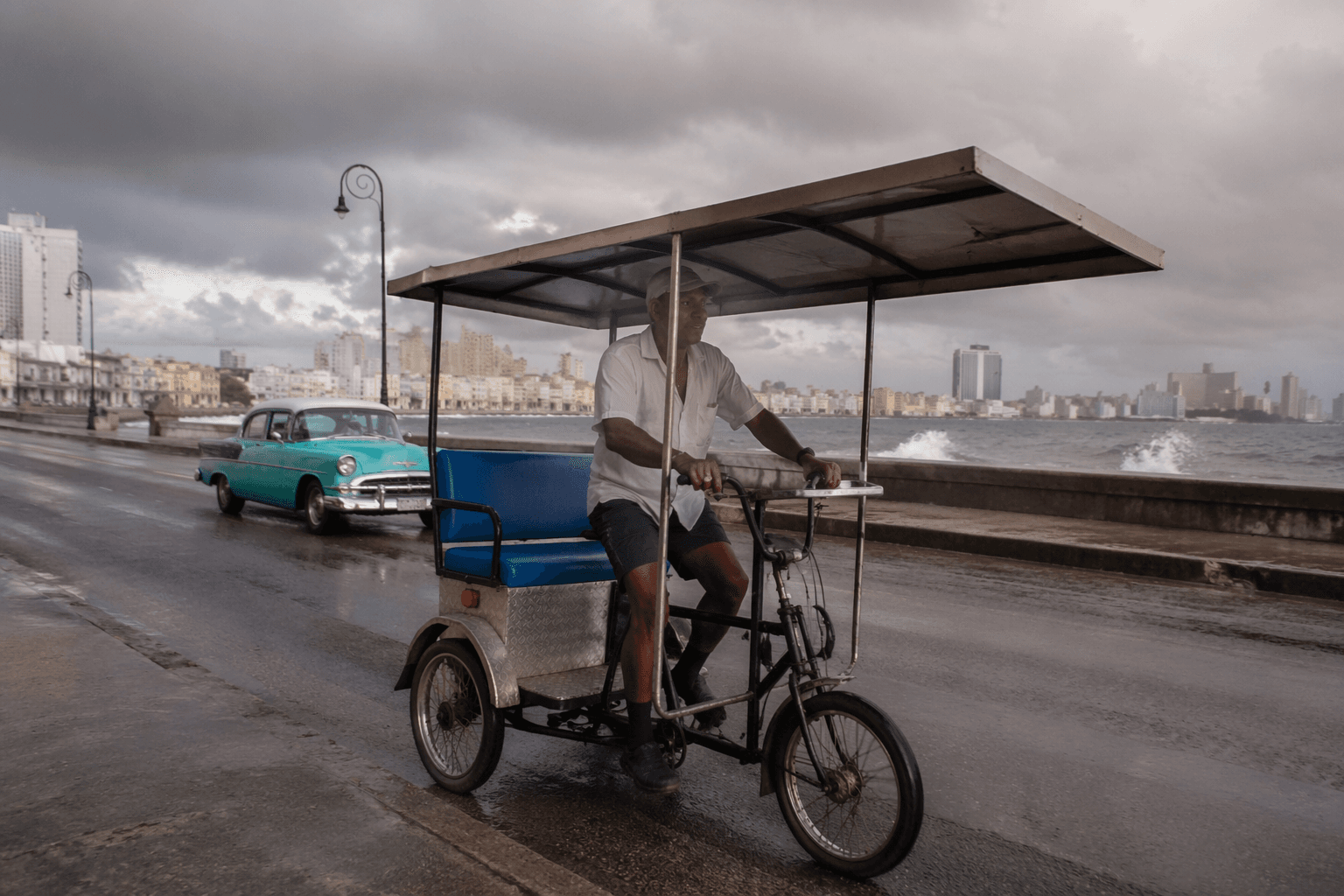
The economics are brutal. Each tricycle costs about $2,000 to $4,000, a price that puts ownership out of reach for many Cubans. The people who can get one often do so through a relative abroad sending remittances, savings from a private business, or by selling an older gasoline-powered vehicle. On an island where wages are thin and cash is scarce, that means the solar tricycle boom is helping a narrow slice of the population, not solving mobility for everyone.
The transport shift is tied to a wider energy crisis that has only deepened. After Donald Trump threatened tariffs on countries selling oil to Cuba, the island has received only one oil tanker since January, a sharp drop from earlier deliveries. Reuters reported in March that a Russian tanker carrying 100,000 metric tons of crude reached Cuba, but even that kind of shipment has not stopped the grid from coming apart.
Cuba’s electric system suffered another islandwide blackout in early July, adding to the sense that every part of daily life is being rebuilt around shortages. Food and medicine are harder to move, buses are less dependable, and even getting across town now depends on whatever combination of battery power, solar panels and private money a driver can scrape together. The tricycles are keeping people in motion, but they are also a blunt measure of how far the old fuel-and-bus model has broken down.
This article was produced by Prism’s automated news system from verified source data, official records, and press releases, then run through automated quality and moderation checks before publishing. The system is built and supervised by the people who set the standards it runs under. Read our full AI policy.
Did this article answer your question?