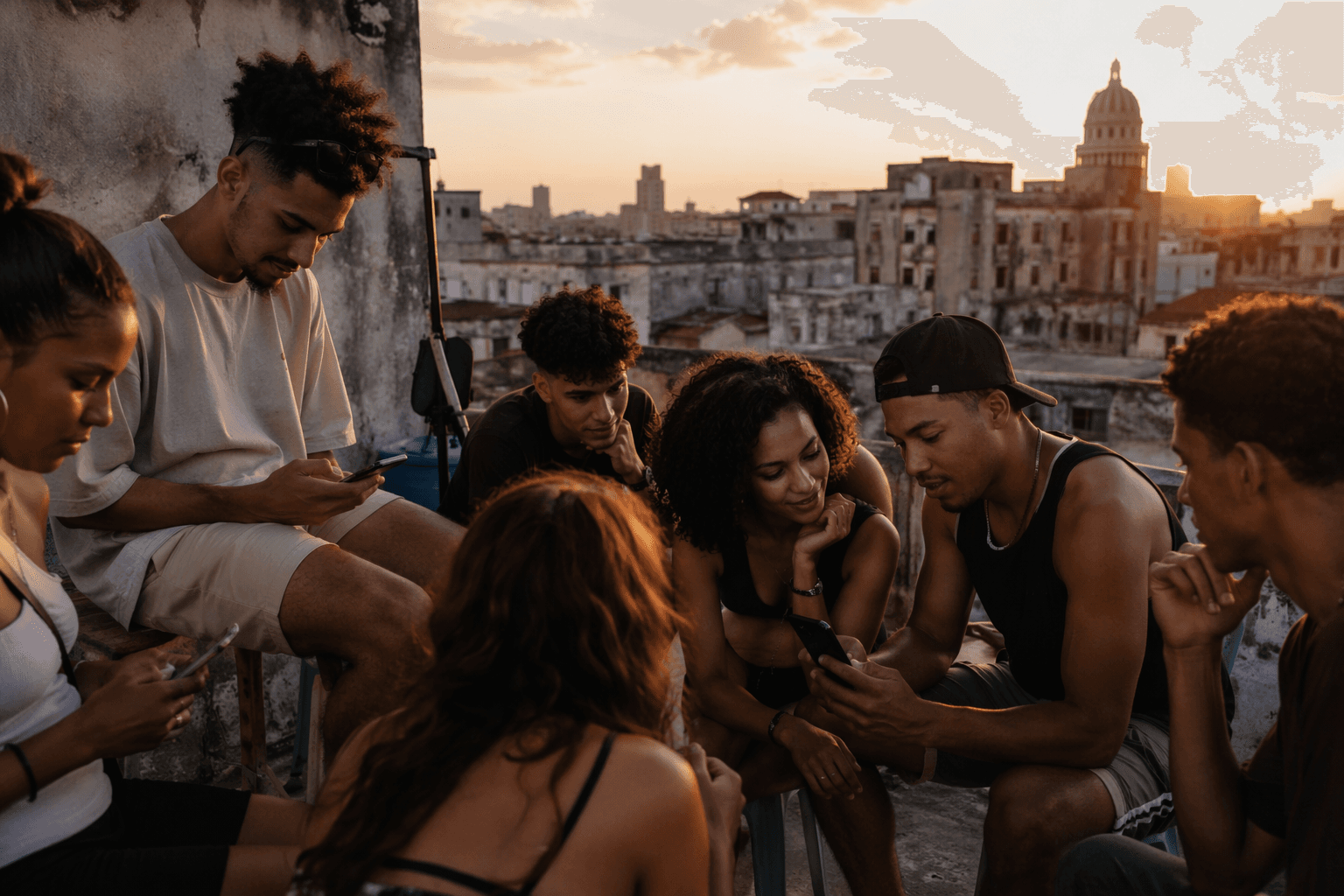
Cuba warns Washington, says it would defend itself from attack
Bruno Rodríguez warned Washington was on a “dangerous path” that could end in a “bloodbath in Cuba” as fuel cuts and sanctions deepen shortages.
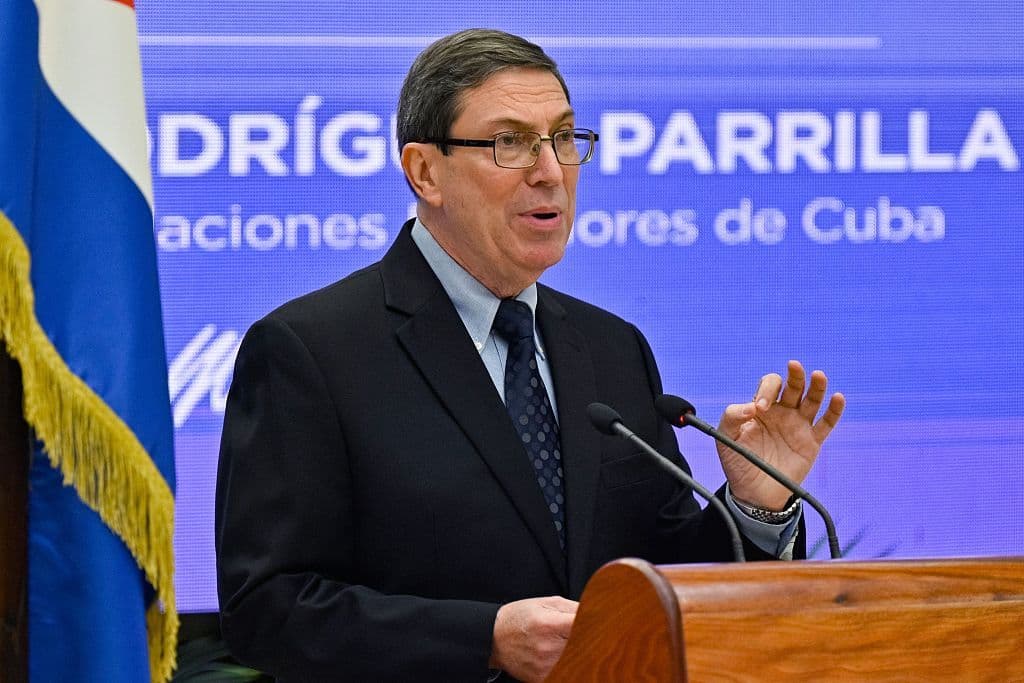
Cuba’s foreign minister warned Washington that the island would defend itself if attacked, saying the United States was heading down a “dangerous path” that could end in a “bloodbath in Cuba.” In a Havana interview with ABC News on Thursday, May 8, 2026, Bruno Rodríguez Parrilla said Cuba takes President Donald Trump’s threats “very seriously” and described the risks as immediate, not theoretical.
The warning lands at a moment when the pressure on Cuba is already visible in daily life. United Nations experts called Trump’s January 2026 fuel-blockade order “energy starvation,” and Washington has also threatened tariffs on countries that supply Cuba with oil. Reuters reported that only Russia has continued sending shipments to the island, a crucial lifeline for a power grid that depends heavily on imported fuel. Across Cuba, fuel shortages have fed blackouts, strained transport, and made it harder to keep medicine cold, move patients, and pump water.
Rodríguez said there had been “no progress” in talks between Havana and Washington, underscoring how thin the diplomatic channel has become even as the economic squeeze tightens. Cuban officials have framed the crisis as one system of pressure, not separate problems: sanctions, fuel restrictions, and military threats all feed into the same collapse risk. ACAPS said in an April 17 briefing that Cuba had experienced a rapid deterioration in fuel availability and shortages of critical supplies, especially food and medicine.
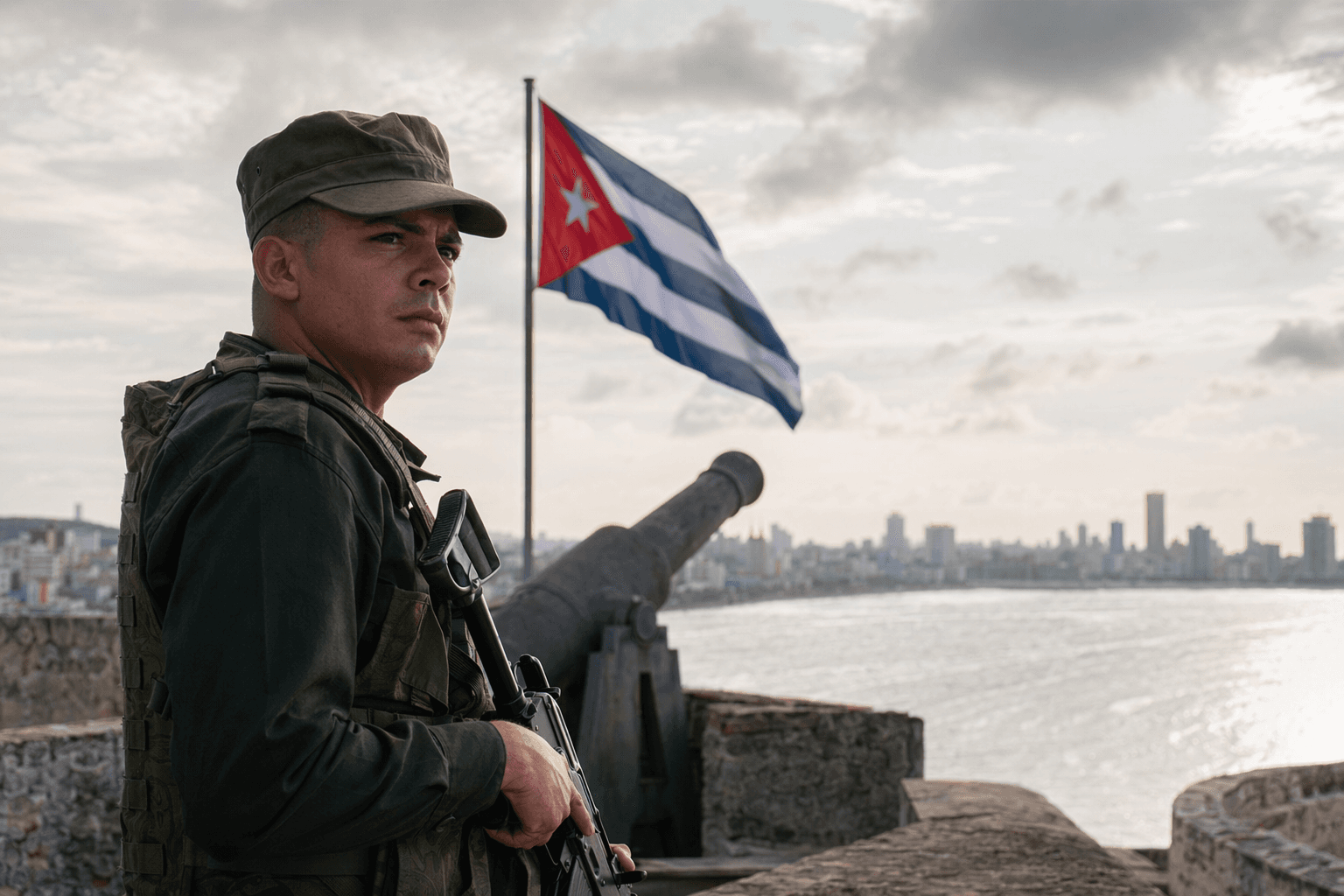
The escalation also came as the Trump administration imposed new sanctions on May 7, 2026 targeting GAESA, Cuba’s military-linked conglomerate. The White House said the sanctions were issued under Executive Order 14404, signed on May 1, and aimed at people responsible for repression in Cuba and threats to U.S. national security and foreign policy. The State Department said GAESA was designated for operating, or having operated, in the financial services sector of the Cuban economy.
For Havana, the danger is not only political leverage but the possibility that a tightened blockade and harsher sanctions could push the island deeper into crisis, with more blackouts, worse shortages of food and medicine, and greater pressure on migration. UN sources have said hundreds of thousands of Cubans lost access to safe drinking water because pumping systems depend on electricity. That is why Rodríguez’s warning reads less like rhetoric than a signal that Cuba sees the confrontation with Washington as one of its most dangerous moments in years.
This article was produced by Prism’s automated news system from verified source data, official records, and press releases, then run through automated quality and moderation checks before publishing. The system is built and supervised by the people who set the standards it runs under. Read our full AI policy.
Did this article answer your question?